October 10, 2026
Find out how to choose the best door hardware for your home or business with this practical buyer's guide covering types, brands, and key features.
For a business owner, every decision impacts your bottom line, and security is no exception. When it comes to your property’s entry points, choosing the right commercial door hardware is a critical investment, not just an expense. It’s tempting to grab something off the shelf at a big-box store, but residential-grade products simply aren't built for the demands of a commercial space. They fail faster, compromise your security, and can even put you at odds with local building and fire codes. This guide is designed to help you understand the real differences in durability, compliance, and security features, so you can make an informed choice that protects your assets, employees, and customers for years to come.
## Key Takeaways
* **Match Hardware Grade to Its Use**: Residential hardware is not built for commercial traffic. Always use ANSI Grade 1 or 2 hardware for business entryways to ensure durability and meet safety codes, saving you from costly replacements and compliance issues.
* **Prioritize Function Over Style**: Before picking a finish, assess your actual needs based on the door's location, security requirements, and local climate. A strong lock on an exterior door is more important than a stylish handle that can't withstand the Arizona heat.
* **Invest in Quality Products and Installation**: The cheapest hardware often costs more in the long run due to early failure and frequent repairs. Opt for trusted brands and professional installation to guarantee your hardware works correctly and provides lasting security.
## Your Guide to Common Door Hardware Types
When you think about securing a door, your mind probably jumps straight to the lock and key. But effective door security is about a whole system of hardware working together. From the hinges that hold the door in place to the handle you use every day, each component plays a role in keeping your home or business safe. Understanding these different parts helps you make smarter decisions, whether you're upgrading your home’s front door or outfitting an entire commercial building.
Choosing the right hardware isn't just about picking something that looks good; it's about finding durable, functional pieces that meet your specific security needs. Let’s walk through the most common types of door hardware so you know exactly what to look for.
### Locks & Locking Mechanisms
The lock is the heart of your door's security, and your choice should always be driven by your security needs first. A simple cylindrical lock might be fine for an interior bedroom, but it’s not enough for your building’s main entrance. For exterior doors, a mortise lock with a heavy-duty deadbolt provides much greater protection. We can help you find the perfect balance for your property, whether you need to secure your family with new residential locks or protect your assets with high-grade commercial locks. The key is matching the lock's strength and function to its specific location and purpose.
### Handles & Knobs
Handles and knobs are the most hands-on part of your door, so they need to be both functional and durable. Door levers are often easier to use, especially for children or those with mobility challenges, while knobs offer a more traditional look. Here in Arizona, it’s also important to choose hardware that can stand up to our intense sun and heat without fading or failing. Selecting a quality brand with a resilient finish ensures your hardware not only looks great for years but also provides the reliable security you depend on every single day.
### Hinges
Hinges might seem like a minor detail, but they are a critical point of security. For doors that swing outward, standard hinges can be a vulnerability, as the pin can be removed from the outside. Security hinges with non-removable pins or stud hinges solve this problem, keeping your door firmly in place. Just like any other moving part, hinges require occasional maintenance to prevent sagging, squeaking, and alignment issues. Checking for wear and tear regularly ensures your door continues to open smoothly and lock securely, maintaining the integrity of your entryway.
### Door Closers
If you’ve ever walked into an office or storefront, you’ve likely encountered a door closer. This device, typically mounted at the top of the door, automatically closes it at a controlled speed. Door closers are essential in commercial settings for several reasons. They ensure the door latches securely every time, which is vital for both security and maintaining climate control. They also play a crucial role in fire safety by preventing fire and smoke from spreading. For any business, a properly installed door closer adds a layer of safety, security, and convenience.
### Panic Exit Devices
In an emergency, every second counts. Panic exit devices, also known as crash bars, are designed to provide fast and easy egress from a building. These are commonly found on emergency exit doors in schools, theaters, and offices. With a simple push, the bar unlatches the door, allowing large groups of people to exit quickly without needing a key or having to turn a knob. While they make exiting easy from the inside, they are designed to keep the door securely locked from the outside. These devices are often required to meet local building and safety codes.
### Access Control Systems
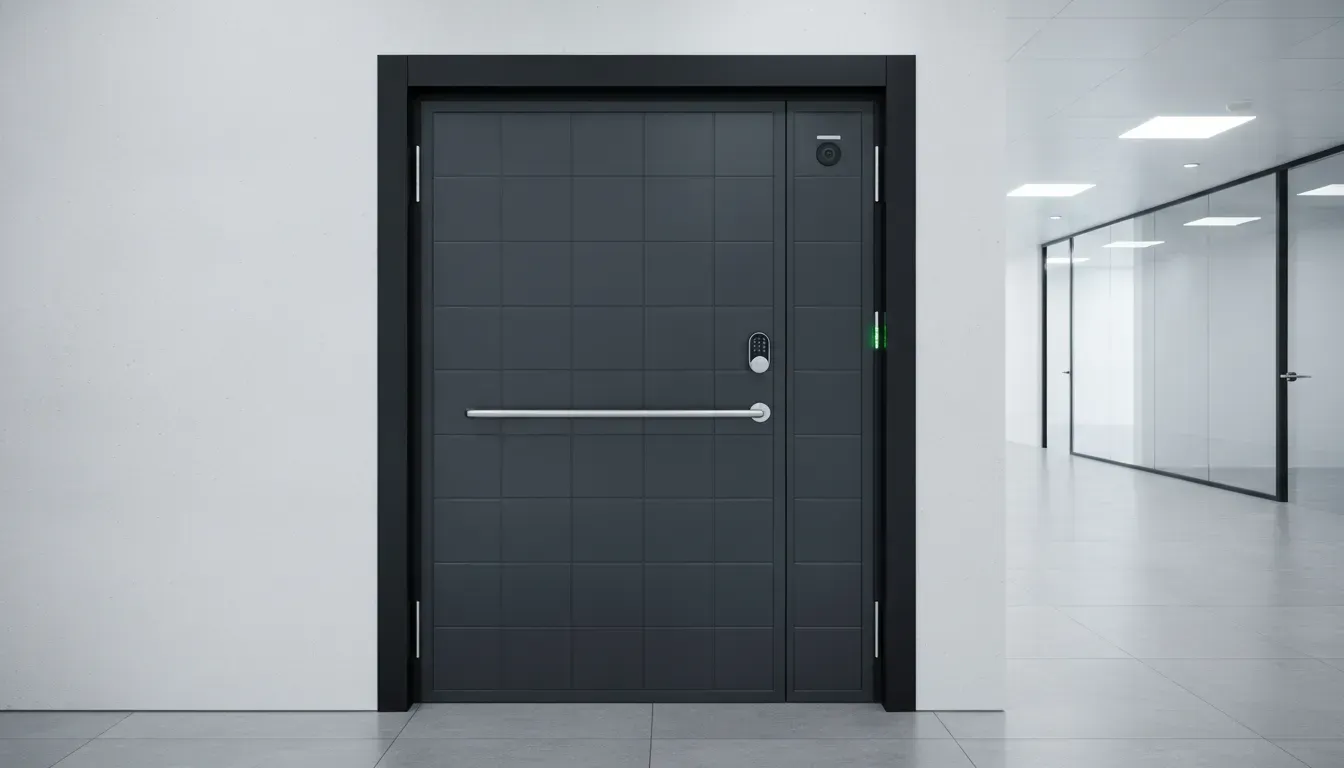
For those who want to move beyond traditional keys, access control systems offer a modern and flexible solution. These systems give you precise control over who can enter your property and when. Keypad locks are great for employee entrances or storage rooms where you need to grant access without handing out keys. Card reader systems are perfect for offices, allowing you to easily grant or revoke access for employees. For the highest level of security in places like server rooms or labs, biometric systems use unique identifiers like fingerprints to ensure only authorized individuals can get in.
## Residential vs. Commercial Hardware: What's the Real Difference?
When you’re standing in a hardware aisle, it can be tempting to think a lock is just a lock. But the hardware designed for your front door is worlds apart from what’s needed for a bustling office or storefront. While they might look similar, residential and commercial hardware are engineered for completely different environments and demands. Choosing the wrong type isn’t just a minor mistake; it can lead to premature failure, security vulnerabilities, and even legal issues.
Understanding the key distinctions helps you make an informed decision that protects your property, whether it’s your family home or your business. The real difference comes down to four main factors: durability, fire safety codes, accessibility standards, and security features. Getting this choice right from the start saves you money and headaches down the road, ensuring your doors function safely and securely for years to come. If you're unsure what your property needs, our team can always help you request service for a professional assessment.
### Durability & Grade Ratings
The biggest difference between residential and commercial hardware is how much use it can handle. Hardware is tested and graded by the American National Standards Institute (ANSI). Grade 3 is the basic standard for residential use, while Grade 2 offers heavy-duty residential security. Commercial properties, however, almost always require Grade 1 hardware. This is the highest rating, tested to withstand at least 800,000 cycles (a door opening and closing) without failing. A residential lever might feel sturdy at first, but it’s not built for the constant traffic of a commercial space. The internal springs will wear out, the finish will tarnish, and the lock will fail, forcing a costly replacement. Investing in the right [grade of hardware](https://www.rockymountainhardware.com/how-to-choose-right-commercial-door-hardware) from the beginning is the most cost-effective choice.
### Fire Safety & Building Codes
Commercial buildings must follow strict local building and fire safety codes, and door hardware is a huge part of that. Many commercial doors are fire-rated, meaning they are designed to contain a fire for a specific period, like 60 or 90 minutes. The hardware on these doors must also be fire-rated. Look for locks with a UL mark, which shows they have been tested to meet these critical [fire safety standards](https://locksafesystems.com/7-things-to-know-about-commercial-door-hardware). Using non-compliant hardware can result in failed inspections, hefty fines, and most importantly, can put employees and customers at serious risk in an emergency. These regulations also cover emergency egress, ensuring people can exit quickly and easily without needing a key.
### ADA Accessibility Requirements
Accessibility is another major consideration for commercial properties. The Americans with Disabilities Act (ADA) sets standards to ensure people with disabilities can access and use public spaces. For door hardware, this usually means using lever-operated handles instead of round knobs, which can be difficult for people with limited hand strength to grip and turn. It also dictates how much force is needed to open a door. While making a home more accessible is a great idea, it’s a legal requirement for businesses. Choosing hardware that meets ADA guidelines ensures your business is welcoming to everyone and avoids potential legal issues.
### Security Features
While security is important everywhere, businesses often have more complex needs than homes. Commercial locks are built with heavier-duty components and more sophisticated security features to protect assets, data, and people. This can include everything from pick-resistant cylinders and anti-tamper mechanisms to integrated electronic access control systems that let you manage who enters and when. For example, keypad locks are a great solution for securing storage rooms or shared workspaces without having to manage physical keys. Investing in robust, high-quality locking mechanisms is a fundamental part of any commercial security plan, providing a strong first line of defense for your business.
## Which Door Hardware Brands Are Worth It?
Walking down the hardware aisle can feel overwhelming with so many brands vying for your attention. While many look similar, the quality, durability, and security they offer can vary dramatically. As locksmiths, we see firsthand which brands stand up to daily use and which ones fail when you need them most. Here’s our breakdown of the top brands we work with and trust to keep your home or business secure.
### Schlage
Schlage is a name that consistently earns respect from security experts and for good reason. It’s our go-to recommendation for most residential applications. In fact, security reviewers often name the Schlage B60N deadbolt the [best lock for most people's front doors](https://www.nytimes.com/wirecutter/reviews/best-door-lock) because it’s tough, hard to pick, and affordable. It’s a brand built on a reputation for high-quality, durable hardware that performs reliably for decades. Many locksmiths share this sentiment, often stating a clear preference for Schlage over other common consumer brands. Customers also rave about the longevity, with many finding their Schlage hardware has [lasted for years](https://www.schlage.com/en/trust.html) without a single problem. When you choose Schlage, you’re investing in hardware that’s designed to protect your property for the long haul.
### Kwikset
You’ll find Kwikset locks in just about every big-box hardware store. They are widely available and often come with a lower price tag, making them a popular choice for budget-conscious homeowners and landlords. While Kwikset offers features like SmartKey Security, which allows you to rekey your own locks, many professionals have reservations about their overall durability compared to other brands. In side-by-side comparisons, locksmiths often note a [preference for Schlage over Kwikset](https://www.nytimes.com/wirecutter/reviews/best-door-lock) for front-door security. While a Kwikset lock is better than no lock at all, we typically recommend it for interior doors or lower-security applications. For your primary entry points, investing a little more in a sturdier brand provides significant peace of mind.
### Arrow Lock & Door Hardware
If you’re looking for robust hardware that can handle the demands of a commercial setting, Arrow is a fantastic choice. As part of the larger ASSA ABLOY family of brands, Arrow benefits from a legacy of security innovation and quality manufacturing. They specialize in a wide range of commercial and residential locks that are built to withstand high traffic and frequent use. You’ll often find Arrow hardware in schools, hospitals, and office buildings, which speaks to its reputation for durability and reliability. While it might not be as well-known to the average homeowner, it’s a brand we trust for business owners or anyone needing a heavy-duty solution for a high-use door in their home, like one leading to the garage.
### ASSA ABLOY
You may not know the name ASSA ABLOY, but you definitely know their brands. As a global leader in access solutions, ASSA ABLOY is the parent company for some of the most respected names in the security industry, including Yale, Medeco, and the previously mentioned Arrow. When you see the ASSA ABLOY name, it’s a seal of quality that signifies cutting-edge technology and top-tier security. This company is at the forefront of everything from high-security mechanical locks to advanced electronic access control systems. Choosing a brand under the ASSA ABLOY umbrella means you’re getting a product backed by extensive research and a worldwide reputation for excellence. It’s a name that professionals trust for securing everything from single-family homes to critical infrastructure.
## How to Choose the Right Door Hardware
Picking the right door hardware can feel like a huge decision, but it doesn't have to be overwhelming. When you break it down, the process is all about balancing security, function, and style. Think of it as a checklist. By working through your specific needs one step at a time, you can confidently choose hardware that not only looks great but also keeps your property safe and sound for years to come. Let’s walk through the key factors to consider.
### Assess Your Security Needs
Before you even think about finishes or styles, start with security. Your hardware's primary job is to protect your property, so its strength should match its purpose. The lock you need for a main entry door is very different from one for an interior bedroom or a private office. For example, a high-traffic exterior door on a commercial building requires robust commercial locks with features like deadbolts, while a simple cylindrical lock might be fine for an inside door. Take a moment to think about what you’re protecting and the level of risk associated with each entryway. This initial assessment will guide every other decision you make.
### Consider Foot Traffic & Daily Use
How often will the door be used? A front door to a busy storefront sees a lot more action than a closet door in a home. This daily wear and tear is a critical factor. Commercial hardware is graded for durability (Grade 1 being the most durable), and it’s always a smart move to choose hardware rated for slightly more traffic than you anticipate. Opting for a lower-grade residential lock in a high-use commercial setting can lead to premature failure, which means more disruption and replacement costs down the line. Investing in the right grade from the start saves you headaches and money.
### Account for Mesa's Climate
Here in Arizona, the sun and heat are relentless, and they can do a number on your exterior door hardware. The intense UV rays can cause finishes to fade, peel, or tarnish quickly, while extreme temperature fluctuations can affect the hardware's internal mechanisms. When choosing hardware for exterior doors, look for materials and finishes specifically designed to withstand harsh weather. For example, PVD (Physical Vapor Deposition) finishes are known for their exceptional resistance to corrosion and fading. Choosing a weather-resistant option ensures your hardware continues to function properly and look good, despite our challenging [Mesa climate](https://www.thelockshopaz.com/service-areas).
### Match Your Style & Finish
Once you’ve sorted out the practical requirements like security and durability, you can focus on the fun part: aesthetics. Your door hardware is a key design element that contributes to your property's overall look and feel. Whether your style is modern, traditional, or rustic, there’s a hardware solution to match. Brands like Schlage and Kwikset offer a wide variety of designs and finishes, from sleek matte black to classic satin nickel. Your residential locks can be both beautiful and secure, so you don’t have to compromise. Just remember to let function lead the way, with style as the finishing touch.
### Check Compatibility with Your Current Setup
Finally, make sure your new hardware will work with your existing door. Check measurements like the backset (the distance from the edge of the door to the center of the lock) and the thickness of the door itself. If you’re upgrading to a smart lock or an access control system, you’ll also need to consider compatibility with your current infrastructure. Even the best hardware can fail if installed incorrectly. To avoid any issues and ensure a perfect fit, it’s always best to have a professional handle the installation. If you’re ready for an upgrade, you can request service from our team to get it done right.
## What Does Commercial Door Hardware Really Cost?
Figuring out the budget for your business’s security can feel a bit like guessing, but it doesn’t have to be. The cost of commercial door hardware isn't a single number; it’s a range that depends entirely on your specific needs. Factors like the amount of daily foot traffic, the level of security required, and the type of features you want all play a significant role in the final price. A simple lock for a back storage closet will have a very different price tag than a sophisticated access control system for your main entrance.
To give you a clearer picture, let’s break down the costs into a few common tiers. Think of this as a guide to help you understand what you’re paying for and why investing in the right hardware from the start is one of the smartest financial decisions you can make for your business. We’ll look at everything from basic, reliable options to advanced smart systems, helping you find the perfect balance between security, function, and budget.
### Entry-Level Options
When we talk about "entry-level" for a business, it’s important not to confuse it with standard residential hardware. It might be tempting to save a few dollars by picking up a residential-grade lock, but this is a classic case of being penny-wise and pound-foolish. That hardware isn't built to handle the wear and tear of a commercial environment and will likely fail early, causing disruptions and costing you more in emergency repairs. True entry-level commercial hardware (like Grade 2 locks) is designed for low-traffic areas like supply closets or private offices, offering a durable and secure solution without the premium price of heavy-duty options.
### Mid-Range Systems
For most businesses, mid-range systems are the sweet spot. This category includes heavy-duty, Grade 1 hardware designed to withstand constant use at main entry points, employee entrances, and other high-traffic areas. These locks and handles are built for longevity and security. A good rule of thumb is to choose hardware that is rated for slightly more traffic than you anticipate. Business growth can be unpredictable, and this small buffer ensures your hardware can handle an increase in use without premature wear. Brands like Schlage and Arrow offer excellent mid-range options that provide reliable performance day in and day out.
### High-Security & Smart Access
If your business requires tighter control over who comes and goes, high-security and smart access systems are the way to go. These solutions move beyond traditional keys. Keypad locks are great for shared spaces or storage rooms, allowing you to grant access with a simple code. For more advanced security, card reader systems offer an easy way to manage access for multiple employees, while biometric locks that use fingerprints provide top-tier security for sensitive areas. These access control systems give you detailed oversight and can be customized to fit your operational needs perfectly.
### Beyond the Sticker Price: Total Cost of Ownership
The initial price of your door hardware is only one part of the equation. The total cost of ownership includes installation, potential maintenance, and the lifespan of the product. Choosing the wrong hardware can lead to expensive problems down the line, including project delays, failed inspections, and performance issues that require costly fixes. Professional installation is key to ensuring your hardware functions correctly and lasts as long as it should. To protect your investment, it's also wise to regularly inspect and service your hardware to keep it operating smoothly and securely for years to come.
## Avoid These Costly Door Hardware Mistakes
Choosing the right door hardware is a big decision, and a few common missteps can lead to frustration and extra costs down the road. As a locksmith, I’ve seen it all, from beautiful handles that break in a year to locks that just can’t handle the Arizona heat. Investing a little time upfront to make the right choice will save you headaches and protect your property for years to come. Let's walk through some of the most frequent mistakes I see so you can avoid them from the start and feel confident in your decision.
### Using Residential Hardware in a Commercial Space
It’s tempting to save a few dollars by installing a residential-grade lever on a commercial door, but this is one of the most expensive mistakes you can make. Hardware designed for homes simply isn't built to withstand the high traffic of a business environment. That residential lever might feel sturdy for a few months, but soon the spring will fail, the finish will wear off, and the door will start to sag. The initial cost savings disappear the first time you have to call a locksmith to replace everything. Always invest in proper commercial locks that are graded for heavy use; they are designed for durability and will perform reliably for much longer.
### Ignoring Local Building & ADA Codes
When you’re running a business, compliance isn’t optional. Commercial properties in Mesa must meet specific fire safety and accessibility regulations, which directly impact your hardware choices. For example, fire-rated doors require specific types of locks and closing mechanisms to function correctly during an emergency. Furthermore, your hardware must comply with the Americans with Disabilities Act (ADA) to ensure everyone can access your building safely. Overlooking these rules can lead to hefty fines, failed inspections, and, most importantly, can put your employees and customers at risk. It’s always best to consult with a professional who understands the local codes and [ADA standards](https://www.ada.gov/law-and-regs/design-standards/).
### Skipping Professional Installation
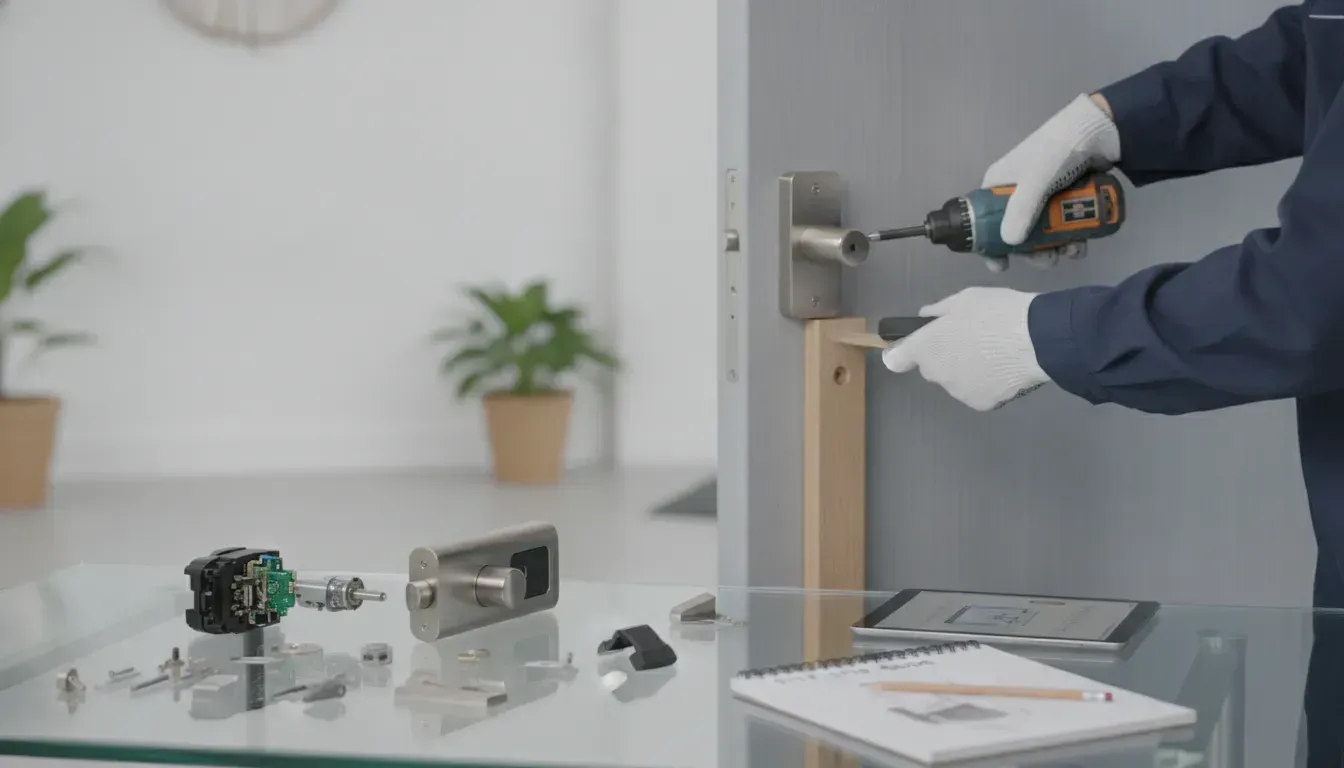
You can buy the best, most expensive hardware on the market, but it won’t do you any good if it’s installed incorrectly. Many people underestimate the precision required for commercial door hardware installation. It’s not just about screwing a handle to a door; it involves proper alignment, correct integration with the door frame, and ensuring all components work together smoothly. A poor installation can cause premature wear, security vulnerabilities, and even damage to the door itself. To protect your investment and ensure your hardware functions as intended, I always recommend you request service from a qualified locksmith for installation.
### Neglecting Regular Maintenance
Just like your car, your door hardware needs a little TLC to keep it working its best. Regular maintenance is key to ensuring its longevity and performance. Over time, screws can loosen, mechanisms can get gummed up with dust, and parts can wear down from daily use. I suggest periodically checking your locks, handles, and hinges for any signs of wear, sticking, or looseness. Addressing small issues early can prevent a major failure, like getting locked out of your business or having a key break off in the lock. Don’t hesitate to upgrade hardware that is no longer functioning effectively or meeting current security standards.
### Choosing the Wrong Finish for Arizona's Climate
Here in Arizona, the sun and dry heat are tough on everything, including your door hardware. A finish that looks great in a showroom might quickly fade, peel, or corrode when exposed to our intense UV rays and temperature swings. When selecting hardware, especially for exterior doors, it’s crucial to consider materials and finishes known for their durability. Look for options with PVD (Physical Vapor Deposition) finishes or those made from materials like stainless steel or solid brass, which are more resilient against the elements. Choosing a weather-resistant finish will keep your hardware looking great and functioning properly for years, saving you from a premature replacement.
### Prioritizing Price Over Long-Term Value
While budget is always a factor, focusing only on the initial price tag is a short-sighted approach. Cheaper hardware often means lower-quality materials and construction, leading to early failure and frequent replacements. A lock that costs half as much but needs to be replaced three times as often isn't a bargain. Instead, think about the total cost of ownership. Investing in high-quality residential locks or commercial systems from trusted brands like Schlage or ASSA ABLOY provides greater security, better performance, and a longer lifespan. This approach is not only more cost-effective in the long run but also gives you invaluable peace of mind.
## Get Expert Help with Your Door Hardware in Mesa
Feeling a little lost in the world of door hardware? I get it. Between different grades, finishes, and security features, it’s easy to feel overwhelmed. Making the right choice is about more than just looks; it’s about securing your property, meeting local codes, and finding something that lasts. Choosing the right hardware is a critical decision that impacts your security and daily operations, so getting it right from the start is essential.
This is where having a professional on your side makes all the difference. At The LOCK Shop, we do more than just sell hardware. We help you find the perfect solution for your home or business. Our team understands the unique challenges of our Mesa climate, so we can recommend finishes that won't tarnish or fail under the intense Arizona sun. We’ll assess your property to recommend the right level of security, whether you need simple residential locks for your home or a robust system for your commercial space.
For business owners, we also make sure your hardware meets all necessary building and ADA codes, so you can have complete peace of mind. As a family-owned business right here in Mesa, we’re committed to providing honest advice and fair pricing. Our fully equipped mobile service brings the workshop to you, making installation and repairs seamless. If you’re ready to find the right door hardware without the guesswork, request service today. We’re here to help you make a choice you’ll be confident in for years to come.
## Frequently Asked Questions
**I need new locks but I'm on a budget. Do I have to sacrifice security for a lower price?**
Not at all, it’s about being strategic. Your front door and other primary entry points are where you should focus your investment. A high-quality, durable deadbolt from a trusted brand provides excellent security without breaking the bank. For interior doors, like those for bedrooms or closets where security is less of a concern, you can certainly choose more budget-friendly options. This balanced approach ensures your home is secure where it matters most while still respecting your budget.
**Is there any reason to install commercial-grade hardware on my house?**
Yes, absolutely. While it might seem like overkill, using commercial hardware in certain residential spots is a very smart move. Think about high-traffic doors, like the one leading from your garage into your home or a busy back patio door. These doors see a lot of action. A commercial-grade lever or lock is built to withstand constant use, so it will last much longer and perform more reliably in these areas than a standard residential product.
**My door handle is wobbly and the lock sticks sometimes. Can I fix this myself, or is it time to call a professional?**
A wobbly handle or a sticky lock is more than just an annoyance; it's a clear warning sign that your hardware is failing. While you can try tightening the screws, this is often just a temporary fix for a deeper problem with the internal mechanism. These issues can lead to a complete failure, potentially locking you out or compromising your security. It's always best to have a professional take a look to determine if a repair is possible or if a replacement is needed.
**How do I know if my business's door hardware is compliant with ADA and fire codes?**
Navigating building codes can be tricky, as the requirements are very specific. For example, regulations dictate everything from the type of handle you can use (levers are often required for accessibility) to the use of fire-rated hardware on certain doors. The most reliable way to ensure you are fully compliant is to have a professional locksmith conduct an assessment. We understand Mesa's local codes and ADA standards and can make sure your business is safe, accessible, and avoids any potential fines.
**What's the real difference between a brand like Schlage and a cheaper one I can find anywhere? Is it really worth the extra cost?**
The difference comes down to the quality of the materials and engineering inside the lock. While two locks might look similar on the shelf, a trusted brand like Schlage uses stronger, more durable metals and more sophisticated internal mechanisms. This means the lock is not only more resistant to tampering but will also withstand the wear and tear of daily use for many years. The extra cost is an investment in long-term reliability and your own peace of mind.