October 10, 2026
Get clear, practical advice on door lock replacement. Learn when to repair or replace, what to look for, and how to install a new lock with confidence.

Moving into a new house is exciting, but it comes with one big question: who else has a key? The previous owners, their contractors, or even neighbors could still have access. This is one of the most common reasons for a door lock replacement, but it's not the only one. Maybe you've lost a set of keys, your current lock is showing its age, or you simply want to upgrade your home's style and security. Whatever your reason, changing your locks gives you complete control. This guide will walk you through the entire process, helping you choose the right hardware and get it installed perfectly for ultimate peace of mind.
## Key Takeaways
* **Know when to repair, rekey, or replace**: If your lock is functional but you need to control access (like after moving), rekeying is a cost-effective solution. For locks that are old, sticking, or visibly damaged, a full replacement is the best way to ensure your home is secure.
* **Prioritize security features, not just looks**: When choosing a new lock, focus on its strength by looking for an ANSI Grade 1 or 2 rating. A quality deadbolt is essential for any exterior door, and selecting a trusted brand provides an extra layer of reliability.
* **Understand when to call a professional**: While swapping out a basic lock can be a simple DIY task, you should hire a pro for more complex jobs. Installing smart locks, high-security hardware, or fitting a lock to a misaligned door requires expertise to guarantee a secure and proper fit.
## Is It Time to Replace Your Door Lock?
Your door locks are your first line of defense, but it's easy to forget about them until something goes wrong. Maybe your key has started to stick, or the finish is looking a little worse for wear. These small annoyances can actually be big clues that your home's security is at risk. Deciding whether to repair, rekey, or completely replace a lock can feel like a big decision, but it doesn't have to be complicated. Understanding the warning signs and knowing your options will help you make the right choice to keep your home safe and secure. Let's walk through how to spot a failing lock and figure out the best solution for you.
### Key Signs It's Time for a Replacement
A door lock that’s past its prime will usually give you a few hints. If your lock feels loose, gets stuck when you turn the key, or doesn't latch properly without an extra push, it's time to pay attention. These are signs of internal wear that can lead to a lockout or a security failure. You should also look for visible damage like rust or corrosion, which can weaken the lock's integrity. Sometimes, the reason is purely practical. If you've lost a key or recently moved into a new home, you'll want to ensure no one else has access. Or, you might just want to update your home's style. An old, tarnished lock can detract from a freshly painted door, and upgrading your residential locks is an easy way to refresh your entryway.
### Rekey or Replace: Which Is Right for You?
Once you know there's an issue, you have two main choices: rekeying or replacing. Rekeying involves changing the internal pins of your existing lock so that old keys no longer work. It's a great, cost-effective option if your lock hardware is still in good shape but you need to control access, like after moving in or dealing with a lost key. However, if your lock is old, damaged, or a lower-quality model, rekeying is just a temporary fix. A full replacement is the better move. Replacing the lock allows you to upgrade to a more secure model, match new hardware, or fix a mechanism that's failing. If you're unsure which path to take, our team can help you assess your current hardware when you request service for a professional opinion.
## What Are the Main Types of Door Locks?
Choosing a new lock can feel overwhelming with all the options out there, but it gets a lot simpler once you understand the basic types. Each one offers a different balance of security, convenience, and style, and the best one for you depends entirely on your needs. The lock you choose for your front door, for example, will have much higher security requirements than the one you pick for a bedroom or bathroom. Similarly, the demands of a high-traffic commercial entryway are very different from those of a quiet suburban home.
Before you start shopping, take a moment to think about what you need the lock to do. Are you primarily concerned with preventing forced entry? Do you want the convenience of keyless access? Or are you trying to match the historic style of your home? Knowing the answers to these questions will guide you toward the right category. From the classic strength of a deadbolt to the modern flexibility of a smart lock, each type has a specific purpose. Understanding these differences is the first step in making a smart security investment. Let's walk through the most common options you'll find for both residential and commercial doors, so you can feel confident in your decision.
### Deadbolts
A deadbolt is a security workhorse and one of the most effective ways to protect your home. Unlike a spring-loaded latch, a deadbolt uses a solid steel bolt that you extend into the doorframe by turning a key or a thumbturn. This design makes it incredibly difficult to force open. For maximum security, look for a deadbolt with an ANSI Grade 1 rating, which is the highest certification for resisting brute-force attacks. Deadbolts are the standard for exterior doors and are best used with a separate locking knob or lever for everyday convenience.
### Knob and Lever Locks
You’ll recognize knob and lever locks instantly; they're the most common type found on interior doors throughout a house. The entire locking mechanism is contained within the knob or lever handle itself. While they are perfect for providing privacy for bedrooms and bathrooms, they generally offer less security than a deadbolt. Older or lower-quality models can be more susceptible to being bypassed through methods like lock picking or bumping. For this reason, we don't recommend using a knob or lever lock as the only line of defense on an exterior door.
### Mortise Locks
Often found in commercial buildings, apartment complexes, and historic homes, mortise locks are known for their exceptional strength and durability. A mortise lock requires a deep pocket, or mortise, to be cut into the edge of the door, where a heavy-duty lock case is installed. This integrated design often combines a latch and a deadbolt into one powerful unit. Because they are built into the door itself, they provide superior security and longevity. Their installation is more complex than a standard cylindrical lock, so it's a job best left to a [professional locksmith](https://www.thelockshopaz.com/contact).
### Smart Locks
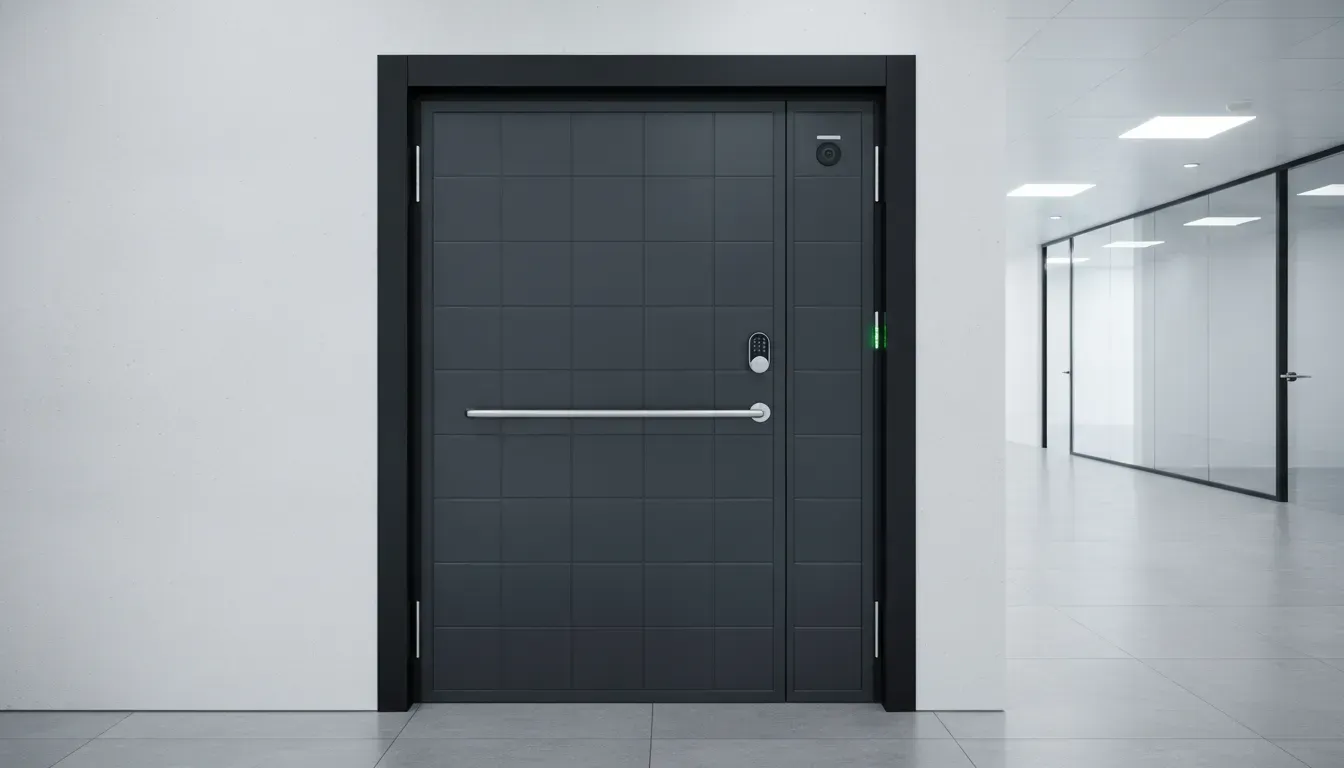
Smart locks bring modern convenience and control to your front door. These locks allow you to secure your home without a physical key, using a smartphone app, a keypad code, or even voice commands. Many smart locks are built on a deadbolt chassis, giving you the best of both worlds: proven mechanical security and advanced digital features. You can grant temporary access to guests, check if your door is locked from anywhere, and receive alerts when someone comes or goes. They are a fantastic upgrade for any homeowner looking for more control over their home's security.
## Which Door Lock Brands Can You Trust?
Walking down the hardware store aisle can feel overwhelming with so many lock brands to choose from. How do you know which ones will actually keep your home or business secure? While many options exist, a few brands consistently earn top marks from security professionals for their quality, durability, and innovative features. We work with these brands every day and trust them to protect our customers' properties. Here are a few of the names you can count on.
### Schlage
Schlage is a name you’ve probably seen on doors your entire life, and for good reason. They have a long-standing reputation for creating strong, reliable locks. The Schlage B60N deadbolt, for example, "is renowned for its outstanding quality and durability." It often uses a classic keyway that makes it a fantastic and dependable lock for residential use. When you choose Schlage, you’re getting a product backed by decades of trust and engineering designed to secure your home and family. It’s a straightforward, effective choice that provides peace of mind without being overly complicated.
### Kwikset
Kwikset is another leading brand that offers a wide range of locks, from traditional deadbolts to modern smart locks. They are particularly known for user-friendly features and innovative security. For instance, some models are built to withstand common break-in methods. In lab tests, the keyless Kwikset Obsidian "receives a stellar rating for drilling... as well as impressive marks for kick-ins." This focus on both convenience and strength makes Kwikset a popular choice for homeowners who want to blend modern technology with reliable security for their homes and properties.
### ASSA ABLOY
When your security needs are a step above the standard, ASSA ABLOY is a global leader you should know. This brand is synonymous with high-security solutions often found in commercial and government buildings, but they are also available for residential properties. ASSA ABLOY is known for its "high-security locks that are built to resist picking, bumping, drilling, and unauthorized key duplication." This gives you an exceptional level of security and key control, which is critical for protecting sensitive assets. If you need to ensure your commercial locks are virtually tamper-proof, this is a brand to consider.
### Arrow Lock & Door Hardware
Arrow Lock & Door Hardware, part of the ASSA ABLOY group, offers a fantastic balance of performance and value. This brand provides a "range of high-quality locks that are designed for both residential and commercial applications, providing durability and security." Whether you're securing an office building or a back door at home, Arrow has a solution built to last. Their products are known for being robust and reliable, making them a go-to for locksmiths who need to install dependable hardware that can handle daily wear and tear while keeping a property secure.
## How to Choose the Right Replacement Lock
Picking a new lock isn't just about matching the finish to your door handle. It's about choosing the right level of security for your home or business. With so many options on the market, it’s easy to feel overwhelmed. Let’s walk through the key factors to consider so you can feel confident you’re making the best choice for your property’s safety.
### Understand Security Grades
When you’re shopping for locks, you’ll likely see labels like "ANSI/BHMA Grade 1, 2, or 3." These grades are standards set by the American National Standards Institute and the Builders Hardware Manufacturers Association to measure a lock's durability and security. Grade 1 is the highest rating, typically used for commercial applications and high-security residential locks. It’s tested to withstand the most force. Grade 2 offers excellent security for most homes, while Grade 3 provides basic, minimal security. For a front door deadbolt, aiming for at least a Grade 2, if not a Grade 1, is always a smart move.
### Look for High-Security Features
Beyond the security grade, certain features can significantly improve a lock's strength. One of the most important is key control. Some high-security locks use restricted keyways, which means duplicate keys can't be made at a typical hardware store without proper authorization. This prevents former tenants, contractors, or anyone else with a copy from gaining access. Other features to look for include hardened steel construction to resist drilling and complex pin systems that make the lock much harder to pick. These are standard in our commercial lock offerings and are a great upgrade for any home.
### Check the Bolt Strength
The deadbolt is the part of your lock that does the heavy lifting. A quality deadbolt should have a "throw" of at least one inch, meaning the bolt extends a full inch into the doorframe when locked. This makes it much more difficult for someone to pry or kick the door open. The best deadbolts are made of solid, hardened steel. Some high-security models even include features like hardened ball bearings that interlock with the strike plate, making them incredibly resistant to jimmying. When you request service from us, we can help you find a lock with the right bolt strength for your needs.
### Make Sure It Fits Your Door
This might sound obvious, but one of the most common DIY mistakes is buying a lock that doesn't fit the door. Before you buy, you need to take a few key measurements. First, check your door's thickness. Most residential doors are 1 ¾ inches thick, but it's always best to measure. You'll also need to know the "backset," which is the distance from the edge of the door to the center of the lock hole. Getting these measurements right ensures the hardware will operate smoothly and fit securely. An improperly fitted lock is a less secure lock.
### Factor in Your Budget
Door locks come in a wide range of prices, and your budget will naturally play a role in your decision. Traditional deadbolts and knob locks are reliable, familiar, and generally more budget-friendly. On the other hand, smart locks offer modern conveniences like remote access, keyless entry, and activity logs, but they come with a higher price tag. Think about what you value most: the straightforward security of a traditional lock or the advanced features of a smart one. We carry trusted brands like Schlage and Kwikset that offer excellent options at every price point.
## What's the Cost to Replace a Door Lock?
Let's talk about the numbers. Figuring out the cost to replace a door lock isn't always straightforward because it’s not just about the price tag on the lock itself. The total expense is a combination of two key things: the cost of the hardware and the price of installation. Think of it as an investment in your home's security and your own peace of mind.
The final price can vary quite a bit depending on the type of lock you choose, its security features, and whether you decide to install it yourself or hire a professional. A simple knob lock will cost less than a high-security deadbolt or a new smart lock system. To give you a clear picture of what to expect, we can break down the costs into three main parts: the price of the lock, the cost of professional installation, and any potential hidden expenses you might run into.
### The Price of the Lock
The first part of the equation is the lock itself. You can find a wide range of options to fit any budget. Many standard residential locks are surprisingly affordable, with some basic models priced between $8 and $20. These traditional locks are reliable, familiar, and a great budget-friendly choice if you need a straightforward and effective solution.
On the other end of the spectrum are smart locks and high-security systems. These have a higher initial cost but come with advanced features like keyless entry, remote access, and activity logs. When choosing, consider how you balance convenience with your budget. Whether you need a simple, sturdy lock or a more complex system for your business, there's a product out there that fits your needs.
### Professional Installation Costs
Next, you’ll want to factor in the cost of installation. While a DIY project might seem like a way to save money, hiring a professional locksmith saves you time and eliminates the stress of a complicated installation. A pro has the right tools and experience to get the job done quickly and correctly, ensuring your lock functions exactly as it should from day one.
When you request service from a professional, you're paying for expertise and assurance. A locksmith can make sure the lock is perfectly aligned and secure, which is critical for your home's safety. Plus, with our 100% Lifetime Labor Guarantee, you can feel confident that the job is done right the first time, giving you lasting security and peace of mind.
### Potential Hidden Costs
It’s also important to be aware of potential hidden costs, especially if you’re considering a DIY installation. A common mistake is choosing the wrong lock for your door or measuring incorrectly, which can lead to a poor fit. An improperly installed lock doesn't just cause frustration; it can weaken your door's security and may require costly repairs down the line.
What starts as a simple project can quickly become complicated if you run into alignment issues or damage the door or lock frame. These mistakes often mean you’ll have to call a professional anyway to fix the problem, turning your cost-saving effort into an unexpected expense. For more tips on avoiding common pitfalls, our [blog](https://www.thelockshopaz.com/blog) is a great resource for homeowners.
## How to Replace a Door Lock: A Step-by-Step Guide
Ready to give your door a security refresh? Replacing a door lock is a great DIY project that can make a big difference in your home’s safety. With a little patience and the right instructions, you can get it done in under an hour. This guide will walk you through every step, from removing the old hardware to testing your new lock. Remember, if you get stuck or feel like the job is more than you bargained for, our team is always here to help. You can request service anytime, and we’ll send a professional locksmith to finish the job for you.
### Gather Your Tools
You don’t need a massive toolbox for this project. In fact, you probably have everything you need already. The main tool you'll need is a number 2 Phillips screwdriver. It’s the most common type and will fit the screws on most residential locksets. It’s also a good idea to have a tape measure handy for a crucial step later on. Grab your new lockset, clear a small workspace, and you’re ready to get started. Having your tools laid out beforehand makes the whole process go much more smoothly.
### Step 1: Remove Your Old Lock
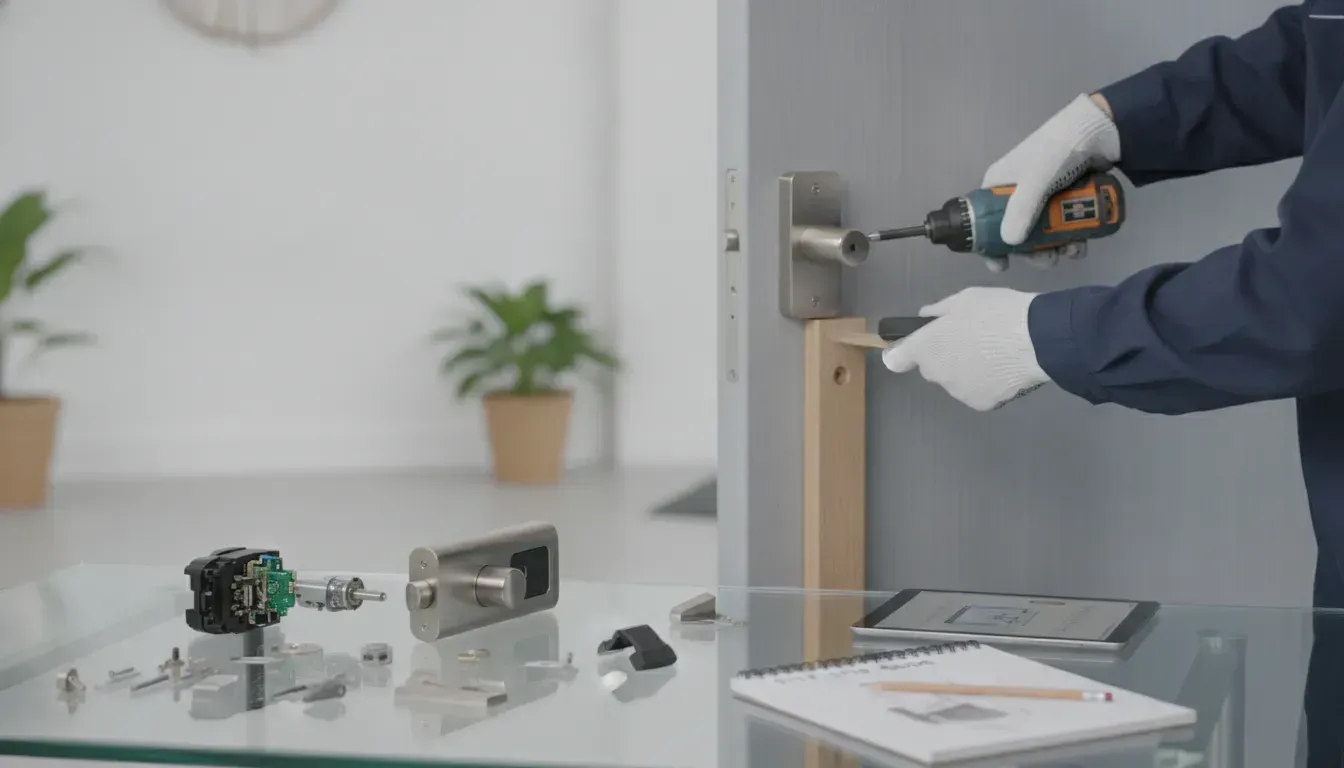
First, let's get that old lock off the door. Start on the inside of the door, where you'll find the exposed screws on the knob or lever handle. Use your Phillips screwdriver to remove these screws. Once they're out, you should be able to pull the interior and exterior sides of the lock apart and remove them from the door. Next, locate the latch on the edge of the door. It’s held in place by two smaller screws. Remove those, and the entire latch mechanism should slide right out. Set all the old parts aside.
### Step 2: Inspect the Door and Frame
Before you jump into installing the new lock, take a moment to inspect the door and frame. Check the wood around the lock hole and the strike plate area for any signs of damage, like cracks or splintering. A secure lock needs a solid foundation. If you position a new lock on a damaged door, you might not realize there’s a problem until it’s too late. If you notice significant wear or damage, it might be best to have a professional assess it to ensure your new lock will be completely secure.
### Step 3: Take Key Measurements
This step is critical for making sure your new lock fits perfectly. Incorrectly measuring is a common mistake that leads to a poor fit. First, measure your door's thickness. Most interior doors are 1 ⅜ inches thick, while exterior doors are typically 1 ¾ inches. Next, measure the backset. The backset is the distance from the edge of the door to the center of the hole where the lock is installed. Most are either 2 ⅜ or 2 ¾ inches. Your new lock will specify which backset it’s designed for, so confirming this measurement is essential.
### Step 4: Install the Latch and Strike Plate
Now for the new hardware. Start by inserting the new latch into the hole on the edge of the door. Pay close attention to the direction of the bolt; the slanted side should face the door jamb, which is the direction the door closes. Secure it with the two screws provided. Next, remove the old strike plate from the door frame and install the new one, making sure it aligns perfectly with the latch. This alignment is key to your lock closing smoothly without catching or sticking.
### Step 5: Fit and Test the New Lock
You're almost done! Slide the exterior part of the new lock into place, making sure the tailpiece goes through the latch mechanism correctly. Then, fit the interior part of the lock, aligning it with the exterior part and securing it with the new screws. Don't overtighten them, as this can cause the lock to bind. Once it's installed, it's time to test your work. Turn the knob or lever and operate the deadbolt with the door open. Then, close the door and test it again with the key. It should lock and unlock smoothly. A well-installed lock is the first step to a secure home, and we have a wide variety of residential locks to choose from.
## Common DIY Mistakes to Avoid
Taking on a door lock replacement yourself can feel empowering, but a few common slip-ups can turn a simple project into a major headache. Even with the best intentions, a small mistake can compromise your home’s security or leave you with a lock that just doesn’t work right. Knowing what to watch out for is half the battle. Before you get started, let’s walk through some of the most frequent DIY errors so you can sidestep them completely and get your installation right the first time. These are the mistakes we see most often, and thankfully, they are all preventable with a little bit of planning and patience.
### Choosing the Wrong Type of Lock
It’s easy to get overwhelmed by the sheer number of options at the hardware store, but grabbing the first lock that catches your eye is a classic misstep. A decorative lock that’s perfect for a bedroom door won’t provide the security you need for your front entry. Each lock is designed for a specific purpose and level of security. Choosing the wrong one can leave your home vulnerable or result in a lock that doesn't function correctly with your door. Before you buy, think about where the lock is going and what job it needs to do. For exterior doors, you should always look for high-security residential locks with features like a Grade 1 rating and a strong deadbolt.
### Misaligning the Lock Components
One of the most frustrating DIY mistakes is misaligning the lock. You spend all that time installing the deadbolt and knob, only to find the latch doesn’t line up with the strike plate on the door frame. When the components are even slightly off, the bolt won’t extend smoothly, or it might not engage at all. This forces you to jiggle the key or push on the door to get it to lock, which puts stress on the internal mechanisms and can lead to premature failure. To avoid this, take your time and double-check the alignment of the latch and strike plate before you tighten the final screws.
### Installing Parts Backwards
It sounds simple, but installing lock components backward happens more often than you’d think. When you’re focused on getting all the little pieces in place, it’s easy to put something in the wrong way, like installing the keyed cylinder on the interior side of the door. Always lay out your parts and carefully follow the manufacturer’s instructions step-by-step. A great tip is to keep your key handy during the installation process. This allows you to test the mechanism as you go and, more importantly, helps you avoid accidentally locking yourself out of the house before the job is even finished.
### Measuring the Latch Length Incorrectly
Accurate measurements are non-negotiable for a successful lock installation, yet they are often overlooked. The two most important measurements are the door’s thickness and the backset, which is the distance from the edge of the door to the center of the hole for the lock. If you get these wrong, the lock you buy simply won’t fit. An incorrect backset measurement means the latch won't sit properly, and a lock intended for a standard door won't fit securely on a thicker one. Before you even think about buying a new lock, grab your tape measure and confirm these key dimensions to ensure a perfect fit.
### Forgetting to Test the Lock
Once the last screw is tightened, it’s tempting to pack up your tools and call it a day. However, forgetting to thoroughly test your new lock is a critical oversight. A lock that works when the door is open might bind or stick once it’s closed. After installation, test the lock multiple times with the door both open and shut. Turn the key from the outside and the thumbturn from the inside. Make sure the latch and bolt retract and extend smoothly without any force. Also, be sure to use the new keys that came with your lock; using an old, bent, or damaged key can quickly ruin the internal components of your brand-new hardware.
## DIY or Call a Pro: How to Decide
Rolling up your sleeves for a home project can be incredibly satisfying, and replacing a door lock might seem like a quick win on a Saturday afternoon. It’s tempting to try and save some money by doing it yourself, especially when you see locksets readily available at the hardware store. However, when it comes to the security of your home or business, this is one area where a small mistake can have big consequences. An improperly installed lock, even a top-tier brand, can weaken your door's integrity, fail to engage properly, and ultimately leave you less secure than when you started. A common DIY error is misaligning the lock components, which can prevent the deadbolt from fully extending.
The decision to DIY or call a professional locksmith comes down to the complexity of the job and your own comfort level. It’s not about ability as much as it is about ensuring the final result is a door that is truly secure. Sometimes, the smartest DIY move is knowing when to pick up the phone. If you’re feeling unsure at any point, or if the project feels like it's getting over your head, our team is always ready to help you request service and get the job done right, with a guarantee to back it up.
### When to Handle It Yourself
You can likely handle a lock replacement yourself if it's a simple, direct swap. For instance, if you're replacing a standard Kwikset knob lock with another basic Kwikset model, the process is usually straightforward. In these cases, the screw holes, latch size, and backset are typically identical, requiring no new drilling or adjustments to your door. If you're comfortable with a screwdriver and can follow the manufacturer's instructions carefully, this can be a manageable project. Just be sure to test the lock thoroughly before you consider the job finished, making sure it latches and locks smoothly without any force.
### When to Call a Professional
It’s time to call a professional if you're doing anything more complex than a direct swap. This includes upgrading to high-security locks, installing a mortise lock, or fitting a new smart lock, as these often require precise drilling and specialized tools. If your door is warped or the frame is misaligned, a locksmith can make the necessary adjustments to ensure a perfect fit. A professional ensures every component is installed correctly, avoiding common mistakes that can compromise your security. Hiring a pro for your residential locks saves you time, eliminates stress, and gives you the peace of mind that your property is secure.
## How to Maintain Your New Lock
Getting a new lock installed feels great. It’s a solid investment in your home’s security and your own peace of mind. But just like any other important part of your home, your locks need a little attention to keep them working perfectly for years to come. A few simple maintenance habits can prevent frustrating issues, like a key that won’t turn or a bolt that sticks. Taking care of your lock not only extends its life but also ensures it continues to provide the security you rely on every single day. Think of it as a small bit of upkeep that protects a major component of your home's safety system.
Proper maintenance is straightforward and doesn’t require any special skills. It mostly involves gentle cleaning and regular checks to catch small problems before they become big ones. It’s also important to know which issues you can handle yourself and when it’s time to call in a professional. A common mistake is misaligning the lock during installation, which can cause friction and wear over time. If you notice your new lock isn’t operating as smoothly as it should, it might be a sign of an underlying issue that needs a closer look. By staying proactive, you can keep your residential locks in top condition and your home secure for the long haul.
### Simple Maintenance and Cleaning
Keeping your new lock in great shape is easier than you might think. First, avoid using oily lubricants like WD-40, as they can attract dust and gunk up the internal mechanism over time. Instead, use a dry lubricant like a graphite powder or a silicone-based spray designed specifically for locks. A quick puff or spray into the keyway once or twice a year is usually all it takes to keep things moving smoothly. Also, take a moment to wipe down the lock body and keyhole with a soft, dry cloth to remove any surface dirt or grime. This simple routine helps prevent buildup that can interfere with the lock’s function and finish.
### Knowing When to Call for a Repair
Even with the best care, sometimes a lock needs professional attention. You should call for a repair if you notice the key is difficult to insert or turn, the latch doesn’t catch properly, or the mechanism feels gritty or sticks when you operate it. These are often signs of internal wear or misalignment that won’t go away on their own. Neglecting maintenance or dealing with the effects of an improper installation can weaken your door's security and lead to bigger problems. If your lock is giving you trouble, don’t wait for it to fail completely. It’s always better to have a professional take a look and ensure your home is secure. If you spot any of these warning signs, it's time to request service.
## Related Articles
* [How to Rekey a Lock: Step-by-Step Guide for Homeowners](https://www.thelockshopaz.com/blog/how-to-rekey-a-lock)
* [Deadbolt vs. Smart Lock: Which Is Right for Your Home?](https://www.thelockshopaz.com/blog/deadbolt-vs-smart-lock)
* [Top 5 Signs You Need a New Door Lock](https://www.thelockshopaz.com/blog/signs-you-need-new-door-lock)
* [Choosing the Best Lock for Your Front Door](https://www.thelockshopaz.com/blog/best-lock-for-front-door)
* [Common Door Lock Problems and How to Fix Them](https://www.thelockshopaz.com/blog/common-door-lock-problems)
## Frequently Asked Questions
**My lock works fine, but I just moved in. Should I replace it or just rekey it?**
This is a great question, and the answer depends on the lock's condition. If the existing hardware is a quality brand and in good shape, rekeying is a fantastic, budget-friendly choice. A locksmith will simply change the internal pins so the old keys no longer work, giving you complete control over who has access. However, if the lock feels loose, looks rusted, or is a lower-quality model, this is the perfect opportunity to replace it. A full replacement lets you upgrade your security and style at the same time.
**What's the single best thing I can do to make my front door more secure?**
Without a doubt, the most effective step is to install a high-quality deadbolt. Unlike the latch in a standard doorknob, a deadbolt uses a solid steel bolt that extends deep into the doorframe, making it much more resistant to being forced open. When you choose one, look for an ANSI Grade 1 or Grade 2 rating. This certification means it has been rigorously tested to withstand significant force, giving you a proven layer of security.
**Are smart locks as secure as traditional deadbolts?**
Many people wonder if the convenience of a smart lock means sacrificing security, but that's not the case with quality models. The best smart locks are built on a strong, reliable deadbolt chassis, so you get the same mechanical strength you'd expect from a traditional lock. The "smart" part simply adds another layer of security and control, allowing you to manage access, monitor activity, and lock your door from anywhere, all without compromising the physical integrity of the lock itself.
**Why does the cost to replace a lock vary so much?**
The total cost is a mix of two things: the hardware and the installation. A simple, traditional knob lock can be very affordable, while a high-security smart lock with advanced features will naturally have a higher price tag. Similarly, a straightforward replacement is different from a complex installation that requires drilling or door adjustments. While a DIY approach might seem cheaper, hiring a professional ensures the job is done correctly, which prevents costly mistakes and comes with the assurance of a labor guarantee.
**I'm pretty handy. Is there any real risk if I replace my own lock?**
It's great to tackle home projects yourself, but a door lock installation has some unique risks. The biggest issue we see is misalignment. If the latch and strike plate aren't perfectly lined up, the bolt won't engage properly, which can weaken your security and cause the lock to wear out quickly. An improperly installed lock can be frustrating to use and, more importantly, may not provide the protection you expect. If you have any doubts, calling a professional is a small investment for guaranteed security.