October 10, 2026
Get practical tips on choosing, using, and maintaining a combination lock for home, business, or travel security in this complete user guide.

There are few small frustrations quite like facing a combination lock that refuses to open. You know the code, you’ve spun the dial a dozen times, but the shackle won’t budge. While these locks offer amazing keyless convenience, they can also be a source of headaches when they jam, you forget the code, or they simply wear out. Before you reach for the bolt cutters, it’s worth knowing that most issues are preventable or fixable. This guide is your complete resource for mastering the combination lock. We’ll cover how to open them correctly, reset the code, and perform simple maintenance to keep them working smoothly. We’ll also explain when it’s time to stop struggling and call a professional.
Key Takeaways
- Choose the Right Lock for the Job: Not all combination locks offer the same level of security. Consider what you are protecting and select a lock with features to match, such as more dials for a complex code or a hardened steel shackle for better physical strength.
- A Strong Code Makes a Strong Lock: Your lock's security is only as good as its combination. Always use a random string of numbers, avoiding personal dates or obvious patterns. For dial locks, remember to follow the opening sequence precisely to prevent frustration.
- A Little Maintenance Goes a Long Way: Keep your lock functioning smoothly with simple, regular care. Clean out any dust or debris and apply a dry lubricant like graphite to prevent jamming. If a lock shows signs of rust, damage, or still sticks after cleaning, it's best to call a professional.
What Is a Combination Lock?
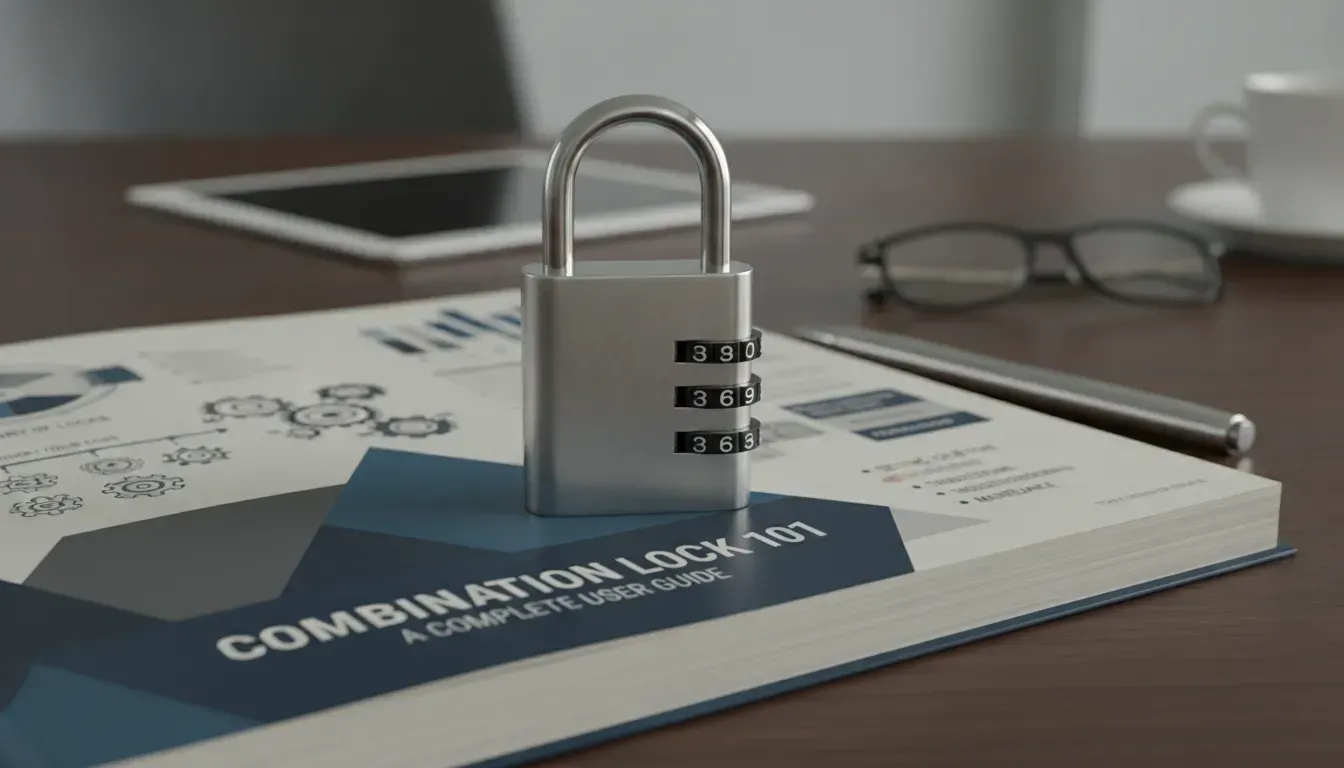
If you’ve ever used a gym locker, a bicycle lock, or a briefcase, you’re probably familiar with combination locks. Simply put, a combination lock is a keyless device that opens with a specific sequence of numbers or symbols. Instead of fumbling for a key, you just need to remember a code. This keyless convenience is why you see them everywhere, from simple luggage tags to high-security safes protecting priceless valuables. But have you ever wondered what’s going on inside that little metal body when you spin the dial? Let’s take a closer look at how they work and how they stack up against traditional keyed locks.
How Do Combination Locks Work?
The magic of a combination lock happens deep inside its casing. Most mechanical combination locks contain a series of rotating discs, often called cams or wheels. Each disc has a small notch or gate in it. When you turn the dial to enter your secret code, you are rotating these discs one by one. The correct combination aligns all the notches perfectly. This alignment creates a clear path for a latch or pin to slide into, releasing the shackle and opening the lock. Think of it as lining up all the pieces of a puzzle to reveal the final picture, which in this case, is an unlocked device.
The Main Parts of a Combination Lock
While they can look different on the outside, most combination locks share a few core components that work together. First, you have the shackle, which is the U-shaped metal bar that loops through your belongings to secure them. Then there’s the dial or keypad, the part you interact with to enter the code. Inside, the most important parts are the discs (or cams), which are the spinning wheels that hold the combination. Finally, a lever or latch mechanism is what holds the shackle in place until the discs are correctly aligned. When everything lines up, the lever moves, and your lock opens. Understanding these parts can help you appreciate the engineering behind your everyday residential locks.
Combination vs. Keyed Locks: Which Is More Secure?
This is the big question, and the answer isn't always straightforward. Combination locks offer fantastic keyless convenience. You can’t lose a key that doesn’t exist, and you can easily change the code if you need to restrict access. However, the security level really depends on the quality of the lock itself. A cheap, simple combination lock can be easy to bypass. On the other hand, a well-made lock with more dials offers thousands of possible combinations, making it very difficult to guess the code. Keyed locks can be more secure against guessing, but they are vulnerable to lock picking. Ultimately, the choice between combination and keyed commercial locks depends on your specific needs and the value of what you're protecting.
What Are the Different Types of Combination Locks?
When you hear "combination lock," you might picture the one from your high school locker. But the world of combination locks is much bigger than that. They come in several different styles, each designed for specific security needs. Understanding the main types can help you choose the right one to protect your home, business, or valuables. Let's look at the most common options you'll find.
Dial Combination Locks
You’re probably most familiar with this classic design. Dial combination locks are the ones with a single, spinning dial that you turn left and right to enter a sequence of numbers. They’re often found on padlocks, bike locks, and many traditional safes. The mechanism is purely mechanical, relying on a series of internal wheels that must align perfectly for the lock to open. While they are a tried-and-true security method, entering the combination can be slower than with modern keypad locks. If you have an older safe with a dial lock that’s giving you trouble, our experts can service or upgrade it to a more convenient system for your safes and valuables.
Keypad Combination Locks
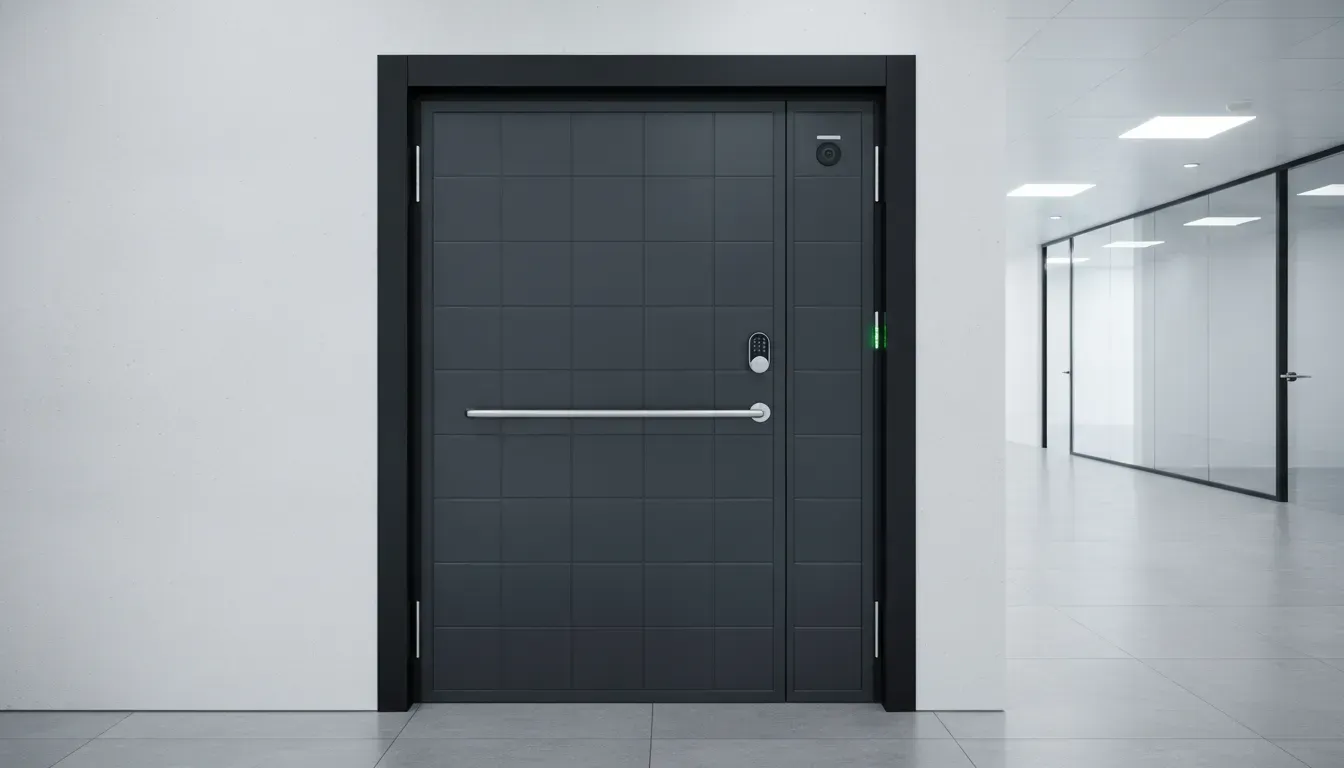
Keypad locks offer a major upgrade in convenience. Instead of spinning a dial, you simply punch a numeric code into a keypad to unlock your door, gate, or safe. These are incredibly popular for both residential and commercial properties because they eliminate the need for physical keys. This means no more lost keys or expensive rekeying when an employee leaves. While most modern keypad locks are electronic, the concept isn't new; purely mechanical versions have existed for decades. They provide a great balance of security and easy access, making them a fantastic choice for busy households and businesses.
Electronic Combination Locks
Taking keypad technology a step further, electronic combination locks use a computer chip to manage access. These are the standard for modern high-security safes and commercial access control systems. Their biggest advantage is flexibility. You can set different codes for different users, grant temporary access, and even see an audit trail of who opened the lock and when. This level of control is invaluable for business owners who need to monitor access to sensitive areas or inventory. We often install advanced commercial locks and safe systems from trusted brands like AMSEC that use this sophisticated and reliable technology.
Disc Detainer Locks
When you need maximum security, a disc detainer lock is one of the best options available. Instead of pins or wheels, these locks use a series of slotted rotating discs. To open the lock, a specific key or combination aligns the slots in the discs, allowing a sidebar to drop in and the lock to turn. Because they don't use springs like pin-tumbler locks, they are highly resistant to lock picking and bumping. You'll typically find this mechanism in high-security padlocks, asset containers, and some safes. If you need to protect something truly irreplaceable, ask us if a disc detainer lock is the right solution for your security needs.
Where Can You Use a Combination Lock?
Combination locks are incredibly versatile, offering keyless security for everything from a gym locker to a high-security safe. Their real strength lies in convenience; you never have to worry about losing a key. But their applications go far beyond personal use, extending into robust security for homes and businesses. Let's look at some of the most common places you'll find combination locks at work, giving you peace of mind in various parts of your life.
Securing Your Home
While you might not use a standard dial lock on your front door, combination locks are perfect for other areas around your property. Think about securing a garden shed, a poolside gate, or a toolbox in the garage. They provide access without needing to add another key to your keychain. Modern residential locks are also embracing this key-free convenience. Smart locks, which often use a digital keypad, are especially popular with younger homeowners who are used to managing everything from their phones. These systems offer a great blend of high-tech features and reliable security for your home.
Protecting Your Business
For business owners, managing keys for multiple employees can be a constant headache. Combination locks offer a simple solution. They are a staple in places like schools, gyms, and storage facilities where many people need access without a complex key system. You can find them on staff lockers, supply closets, and restricted areas. Upgrading to high-quality commercial locks with keypads can streamline access for your team while keeping your property secure. It’s an effective way to grant entry to authorized personnel without the risk and expense of duplicating and tracking physical keys.
Guarding Safes and Valuables
When it comes to protecting your most important documents, jewelry, or cash, a combination lock is the gold standard. Nearly all safes, whether they use a classic dial or a modern electronic keypad, rely on a combination to keep valuables secure. For maximum protection, look for a lock with more dials or a longer code. As security experts point out, high-security combination padlocks with five or more dials offer a much higher number of possible codes, making them significantly harder to crack. This added complexity is exactly what you want when guarding your most prized possessions.
Everyday Security for Luggage and Bikes
Combination locks are a traveler's best friend and a cyclist's go-to for a reason: their keyless convenience is unmatched for on-the-go security. A small combination padlock is perfect for securing your luggage zippers at the airport or keeping your belongings safe in a hostel locker. For cyclists, a sturdy combination bike lock means you don't have to worry about fumbling for a key after a long ride. These locks are valued for their simple, effective use in everyday situations, from the gym to the bike rack, providing peace of mind without adding another key to your pocket.
How Do You Open a Combination Lock?
Facing a combination lock can feel like a mini-challenge, especially if it’s been a while since you’ve used one. Whether it’s an old-school dial on a gym locker or a modern keypad on a safe, the process is straightforward once you get the hang of it. The key is precision and patience. Rushing through the steps is the most common reason these locks don’t open on the first try. Below, we’ll walk through the exact methods for opening different types of combination locks, so you can get into your belongings without the frustration. If you follow these instructions carefully, you’ll be able to open your lock smoothly every time.
How to Open a Standard Dial Lock
That classic spinning dial lock works by aligning internal wheels, and it requires a specific sequence of turns. Take your time and follow these steps exactly:
- Clear the Lock: Start by spinning the dial clockwise at least three full times. This resets the lock’s internal mechanism and clears any previous numbers.
- Enter the First Number: Continue turning the dial clockwise and stop precisely on the first number of your combination.
- Enter the Second Number: Now, switch directions. Turn the dial counter-clockwise, passing the first number once, and then stop on your second number.
- Enter the Third Number: Switch directions again. Turn the dial clockwise and go directly to the third number of your combination.
- Open It: Pull up on the shackle, and the lock should open.
How to Open a Keypad or Electronic Lock
Keypad and electronic locks are much more direct than their dial counterparts. You simply need to enter your pre-set code. These are common on everything from residential locks to high-security safes. Just punch in the correct sequence of numbers and wait for the click or beep that signals it has unlocked. Some models may require you to press a specific button (like a checkmark or a lock symbol) before or after entering the code to finalize the entry. If you enter the wrong code too many times, some electronic locks will temporarily disable themselves as a security measure, so it’s important to enter your code carefully.
Why Won't My Combination Lock Open?
It’s frustrating when you’re sure you have the right combination, but the lock just won’t budge. Before you assume the lock is broken, try these simple troubleshooting tips. First, go through the opening steps again, but this time, do it very slowly and deliberately. It’s easy to overshoot a number or not complete a full turn. The most common mistake with dial locks is forgetting to spin the dial three full times at the beginning to clear it. If you’ve tried a few times with no luck, double-check that you’re using the correct combination. If the lock still won’t cooperate, it might be damaged or worn out. In that case, it’s best to have a professional take a look. You can always request service from our team to get it opened or replaced.
How to Reset a Combination Lock
Changing the combination on your lock is a great security practice, whether you’re setting it up for the first time or feel the code has been compromised. The process is usually straightforward, but the exact steps depend on the type of lock you have. A simple dial lock on a suitcase will reset differently than a keypad on your front door. Before you start, it’s always a good idea to find the manufacturer’s instructions, as they will have the most accurate guide for your specific model. If you get stuck or feel unsure, don’t worry. A professional locksmith can handle the reset for you quickly and correctly.
How to Reset a Dial Lock
For most common dial locks, like those used for luggage or lockers, you’ll need to have the lock in the open position to change the code. If it’s brand new, the factory default is often 0-0-0 or 0-0-0-0. Once open, rotate the U-shaped shackle 90 or 180 degrees and press it down into the lock body. While holding it down, turn the dials to your new desired combination. Make sure it’s a number you’ll remember! After you’ve set the code, pull the shackle back up and return it to its original position. Scramble the dials, and your new combination should be set. You can find detailed instructions for specific brands, like Master Lock, on their official support pages.
How to Reset a Keypad or Electronic Lock
Resetting a keypad or electronic lock, such as the one on your home or business, involves a different process. These locks typically require you to enter the current code or a special programming code to begin. From there, you might press a dedicated “program” button on the interior side of the lock and follow a series of beeps or light flashes to enter your new code. Because the steps can vary widely between different models from brands like Schlage and Kwikset, it is very important to consult your user manual. If you’ve misplaced it, you can usually find a digital copy on the manufacturer’s website. For more advanced commercial access control systems, calling a professional is often the safest and most efficient option.
Forgot Your Combination? Here's What to Do
It’s a frustrating moment, but forgetting your combination doesn’t always mean you’re permanently locked out. For simple, low-security locks, there may not be a way to recover the code, and cutting the lock might be your only choice. However, for higher-quality locks, many manufacturers offer a recovery process. This usually involves providing the lock’s serial number and proof of ownership to their customer service team. This security measure ensures that only the rightful owner can retrieve the combination. If you’re dealing with a forgotten code on a safe, a home door, or any lock you don’t want to destroy, your best bet is to call a professional locksmith. We have specialized tools and techniques to open your lock without damage and can help you reset it.
What to Look for in a Combination Lock
When you’re standing in the hardware aisle, it’s easy to assume all combination locks are more or less the same. The truth is, the difference between a cheap lock and a high-quality one can be the difference between feeling secure and dealing with a break-in. Choosing the right combination lock isn’t just about picking one that looks sturdy; it’s about understanding the specific features that provide real protection for your property.
Before you buy, think about what you’re securing and where you’ll be using the lock. A lock for your gym locker has very different needs than one protecting your business’s front gate or a safe full of valuables. Key factors like the complexity of the combination, the strength of the shackle, and its ability to withstand weather and tampering all play a huge role in its effectiveness. We’ll walk through exactly what to look for so you can find a lock that gives you confidence and peace of mind. Whether you need to secure a simple storage box or high-value commercial locks, making an informed choice is your first line of defense.
Dials and Combination Complexity
One of the most important security features of a combination lock is the number of possible codes it can have. This is directly tied to how many dials or wheels it uses. You’ll often see simple locks with just three dials, which offer 1,000 possible combinations. While that might sound like a lot, it’s not enough for high-security situations. A more secure lock will generally have four or even five dials, increasing the number of combinations to 10,000 or 100,000. This makes it significantly harder for anyone to guess the code. For anything valuable, always opt for a lock with more dials to lower its vulnerability and give you greater security.
Shackle Strength and Material
A lock is only as strong as its weakest point, and for many combination locks, that’s the shackle, the U-shaped metal bar. A determined thief with a pair of bolt cutters can make quick work of a flimsy shackle, regardless of how complex the combination is. Look for locks with shackles made from hardened steel or a boron alloy, as these materials are much more resistant to cutting and sawing. You’ll also find different shackle designs, such as closed shackles that offer less exposed metal to attack. When choosing a lock for your home or business, pay just as much attention to the shackle’s material as you do to the locking mechanism itself.
Weather and Tamper Resistance
If you plan to use your combination lock outdoors on a gate, shed, or storage unit, its ability to stand up to the elements is critical. Rain, dust, and extreme temperatures can cause a lock to rust, jam, or fail completely. Look for models that are specifically rated for outdoor use or have protective features like a weatherproof cover over the dials. Beyond the weather, consider tamper resistance. Some locks are designed to resist common bypass techniques like shimming. Proper maintenance, like keeping the lock clean and lubricated, also extends its life. If your lock starts to stick, it’s best to contact a professional instead of forcing it.
Matching the Security Rating to Your Needs
The key to choosing the right lock is matching its security level to what you’re protecting. You don’t need a maximum-security lock for your luggage, but you also shouldn’t use a luggage lock to secure a commercial storage unit. Think about the value of the items you’re guarding and the environment they’re in. A lock for a school or gym locker is mainly a deterrent, while a lock for your business’s tool shed needs to withstand a more serious threat. Many manufacturers provide a security rating on their packaging to help guide your choice. If you’re unsure what level of protection you need, it’s always a good idea to request service from a professional who can assess your specific situation.
How to Choose a Strong Combination
Even the best lock can be made vulnerable by a weak combination. The first rule is to avoid anything obvious. Steer clear of birthdays, anniversaries, your address, or simple patterns like "1234" or "5555." These are the first combinations a thief will try. Instead, choose a random string of numbers that has no personal meaning. If you have trouble remembering it, write it down and store it in a secure location, not next to the lock. For added security, especially in shared environments like an office or worksite, get into the habit of changing the combination regularly. You can find more helpful advice on our blog.
Are Combination Locks Really Secure?
The security of a combination lock really comes down to its quality and how you use it. A high-quality, complex combination lock can offer excellent protection, but a cheap, simple one can often be a weak link in your security plan. While they offer the convenience of keyless entry, it’s important to understand their potential vulnerabilities to make an informed decision for your home, business, or valuables.
The truth is, not all combination locks are created equal. A basic three-digit lock on a suitcase is designed more for deterrence than for high-level security. On the other hand, a robust dial lock on a commercial-grade safe is built with sophisticated internal mechanisms to resist manipulation. Understanding the common weaknesses and knowing when it’s time for an upgrade are key to ensuring your property stays protected.
Common Weaknesses and Myths
Let's clear up a few things. First, there's a popular myth about a universal master key that can open any lock. This is simply not true. While certain systems have master keys (like in a hotel), there isn't one magic key for all combination locks. The real weakness often lies in the lock's construction. For example, many basic three-digit locks are notoriously easy to figure out because you can sometimes feel the tumblers fall into place.
The biggest security risk comes from low-quality products. An inferior lock made from cheap materials can be vulnerable to being forced open or manipulated. That’s why choosing a lock from a reputable brand is so important. A well-built lock is your first line of defense against unauthorized access.
Signs It's Time for an Upgrade
Even the best locks don't last forever. You should inspect your combination locks regularly for any signs of wear, rust, or tampering. If the dial feels loose, the numbers are worn, or the shackle doesn't click securely into place, it might be time for a change. For outdoor locks, exposure to weather can cause them to freeze or rust, making them difficult to operate and less secure.
If you notice any damage or if the lock is becoming unreliable, it’s a clear sign that it needs to be replaced. Periodically updating your locks, especially in a business setting with high-security commercial locks, is a smart practice to reduce risk. If you're unsure about the condition of your lock, it's always best to have a professional take a look.
How to Maintain Your Combination Lock
A combination lock is a fantastic security tool, but it’s not something you can just set and forget. Like any mechanical device, it needs a little care to keep it working smoothly for years to come. Regular maintenance prevents frustrating jams, extends the life of your lock, and ensures it provides the reliable security you count on. The good news is that it only takes a few simple steps to keep your lock in top shape, whether it’s securing a gate, a safe, or a locker. Taking a proactive approach will save you from being locked out at an inconvenient time.
Keep Your Lock Clean and Lubricated
Over time, dust, dirt, and grime can work their way into the delicate internal parts of your combination lock, causing the dial to stick or the mechanism to jam. To keep it clean, periodically wipe the lock’s exterior with a dry cloth. For keypad crevices or the area around a dial, a soft brush or a can of compressed air works wonders to clear out debris. After cleaning, apply a small amount of a graphite or silicone-based lubricant directly into the shackle opening. These dry lubricants are ideal because they don’t attract more dirt, unlike oil-based products. Gently work the mechanism a few times to distribute the lubricant.
Protect Outdoor Locks from Weather
Locks used outdoors on gates, sheds, or commercial properties face a constant battle with the elements. Here in Arizona, intense sun and dust storms can be just as damaging as the ice and snow found elsewhere. The heat can degrade plastic components, while dust can clog the internal workings. To protect your residential locks, consider using a weather-resistant model or adding a simple cover. Regularly inspect the lock for any signs of rust, corrosion, or wear. Applying a weather-resistant lubricant before the monsoon season can also help repel moisture and prevent internal parts from seizing up, ensuring your lock works when you need it.
When to Call a Professional Locksmith
While regular cleaning and lubrication can solve many minor issues, some problems require an expert touch. If your lock still feels gritty, the dial is difficult to turn, or the shackle won’t close properly even after you’ve cleaned it, it’s time to call for help. Other red flags include visible rust that you can’t easily clean off or any signs of tampering. Forcing a stuck lock can cause permanent damage. A professional locksmith can diagnose the problem correctly, perform a complex repair, or advise you if it’s time for a replacement. If your lock’s security feels compromised, don’t wait; request service to get an expert opinion.
Related Articles
- How to Choose the Right Lock for Your Home or Business
- Keyless Entry Systems: Are They Right for Your Home?
- Safe Maintenance Tips: How to Keep Your Valuables Secure
- When Should You Replace Your Locks?
- Common Lock Problems and How to Fix Them
Frequently Asked Questions
Are combination locks safer than traditional keyed locks?
That’s a great question, and the answer really depends on the quality of the lock and your specific situation. Combination locks are fantastic because you can't lose a key that doesn't exist. However, a simple, cheap combination lock can be less secure than a well-made keyed lock. The security of a combination lock increases with its complexity, so a lock with more dials is much harder to guess. Keyed locks can be very secure, but they are vulnerable to lock picking or bumping. The best choice comes down to balancing convenience with the level of security you need for what you're protecting.
What should I do if I forget the combination to my lock?
It’s a frustrating situation, but don’t panic. For a simple luggage or locker lock, you might not be able to recover the code, and cutting it may be the only option. For higher-quality locks, like those on a safe or a commercial door, the manufacturer sometimes has a recovery process if you can provide the serial number and proof of ownership. However, the safest and most reliable solution, especially for a lock you don’t want to destroy, is to call a professional. We have the right tools to open the lock without causing damage and can help you set a new combination.
My combination lock is getting hard to open. How can I fix it?
When a lock starts to stick, it's usually because dirt or grime has worked its way inside. Before you do anything else, try cleaning it with a can of compressed air to blow out any debris. Then, apply a dry lubricant like graphite or a silicone-based spray into the shackle opening and around the dials. Avoid using oily lubricants like WD-40, as they can attract more dirt over time. If the lock is still giving you trouble after a good cleaning, it might be a sign of internal wear or damage, and it’s best to have a professional take a look.
How do I pick a strong combination that I can still remember?
The most important rule is to avoid obvious numbers. Don't use birthdays, addresses, or simple patterns like 1-2-3-4. A thief will always try those first. The best combinations are random strings of numbers that don't have any personal meaning to you. If you're worried about forgetting it, try creating a memorable phrase and using the number of letters in each word. For example, "Call The Lock Shop" could become 4-3-4-4. This makes it unique to you but much harder for someone else to guess.
Is it worth upgrading my old dial safe lock to a new electronic keypad?
For most people, the answer is a definite yes. While a classic dial lock is very reliable, it can be slow and tricky to open, especially in a hurry. Upgrading to a modern electronic keypad gives you quick, dependable access with just a few button presses. Electronic locks also offer advanced features that are great for businesses, such as setting multiple user codes, creating temporary access for guests, and even tracking who opened the safe and when. It’s a fantastic way to add modern convenience and control to your security.