Published article
What Is a Lockout? Home, Car, and Business Help
What is a lockout at home, in a car, or at a business, and when should you call a Mesa locksmith for help getting back in?
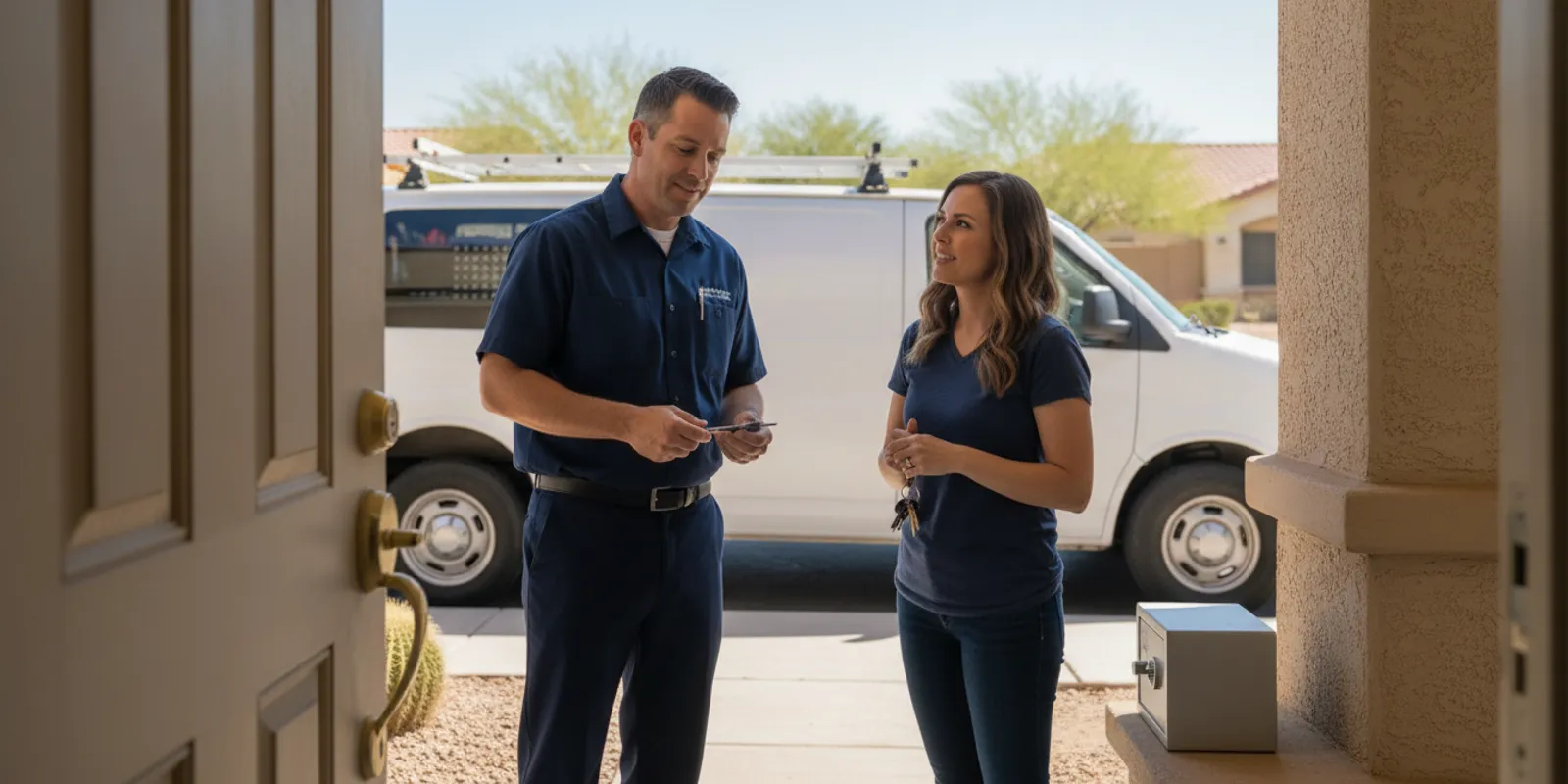
A lockout happens when you cannot get into a place or vehicle because the key or access method is missing, unavailable, or not working. If you are asking what is a lockout while standing outside your house, car, or workplace, the first priority is to stay safe and identify what is actually preventing entry. The right next step depends on the type of lock and the situation.
What is a lockout?
A lockout is an access problem: a person who is authorized to enter cannot use the usual key, credential, or locking mechanism to do so. The lockout may be accidental, such as leaving keys inside, or caused by a mechanical or electronic fault. It can involve a home, apartment, car, office, storefront, storage area, or safe.
The word describes the result, not necessarily the cause. A locked door with the key on the wrong side is different from a door that will not open because its latch is binding. A car with a key locked inside presents a different problem from a car whose fob battery or electronic key has stopped responding. Identifying the distinction helps you avoid forcing a door or trying a fix that could make the issue worse.
Lockouts also differ in urgency. Being unable to enter a home is inconvenient, but a child or vulnerable person locked inside, a running vehicle in unsafe conditions, or a business unable to secure its premises can require prompt attention. If anyone is in immediate danger, contact emergency services first. When the situation is a lockout rather than an emergency, The LOCK Shop's 24/7 lockout service is the page that explains how to ask for help.
What kinds of lockouts happen at home, in a car, or at work?
Home and apartment lockouts
A residential lockout may happen when a key is left indoors, misplaced, damaged, or no longer turns the lock. A deadbolt can be engaged while the knob lock remains open, or a door may close behind someone without their key. At an apartment or managed property, access rules may require you to contact the property manager or show that you are authorized to enter.
Electronic and smart locks add other possibilities. A keypad may not accept a code, a battery may be depleted, or a user may be relying on an app or credential that is not available. These cases do not always mean the lock itself has failed. Check the manufacturer’s ordinary operating instructions and any approved backup entry method, if you have one.
Vehicle lockouts
A vehicle lockout means you cannot enter your car, truck, or other vehicle with the available key or remote. Common examples include locking the key inside, losing the only key, or finding that a remote does not unlock the doors. A remote problem and a missing or damaged key are not the same job, so describe what happened rather than assuming the cause.
Vehicle make, model, year, key type, and security features can affect what assistance is appropriate. Some vehicles use traditional metal keys, while others use transponder keys or proximity fobs. If you have a spare, check that it is accessible and works before taking further steps. For vehicle key and lock options, see automotive locksmith services.
Business and commercial lockouts
A business lockout can prevent staff from opening a door, reaching a secured work area, or using a controlled entrance. A key may be lost, a lock may be damaged, or an access control credential may not work. In a managed building, a tenant, owner, or property manager may need to coordinate access and verify authorization before service begins.
Businesses should also consider security after access is restored. If a key is missing and cannot be accounted for, the question may be whether to rekey or replace affected hardware. A lost employee credential may need to be deactivated or updated in the access system. The appropriate response depends on the system and the business’s key-control procedures. Learn about commercial lock services and access options.
Safe and cabinet access problems
A safe lockout occurs when an authorized user cannot open a safe using its normal key or combination. A forgotten combination, misplaced key, or operating problem may be involved. Avoid drilling, prying, or repeatedly manipulating the lock: those actions can damage the safe and its contents. Gather the safe’s make and model if available, and explain what changed before the problem began. The LOCK Shop offers safe sales and services, including installation, opening, and repair.
How can you tell a lockout from a stuck or broken door?
Before calling for help, note what the door or lock is doing. A key that turns but does not retract the latch may point to a door or latch issue. A key that will not enter fully, a key that will not turn, or a keypad that gives no response can indicate different problems. Do not assume that every door which refuses to open is locked.
- Check the handle and latch gently. Try the normal handle movement without leaning your weight against the door.
- Look for another authorized entry point. Use only a door or window you can reach safely and are allowed to use.
- Confirm the key or credential. Check that you have the correct key or code and that a key is not visibly bent or broken.
- Notice the symptoms. Tell the locksmith whether the key is missing, trapped inside, turning freely, stuck, or not recognized by an electronic lock.
If a key has snapped in the lock, stop using that key and do not push the broken piece farther in. If the door is sagging, swollen, or pressing tightly against the frame, forcing it may harm the door or hardware. A brief description of these clues helps a technician prepare for the likely service need.
What should you do during a lockout?
- Make the scene safe. Move away from traffic, extreme weather, or other immediate hazards. If a person or animal is at risk inside, treat that as an urgent safety matter and contact emergency responders when appropriate.
- Check for an authorized spare. Call a household member, coworker, property manager, or trusted person who may have a spare key or approved credential. For a rental, follow the property’s normal lockout process.
- Try only ordinary, non-damaging checks. Confirm the key, code, or fob is the one you normally use. Follow the lock’s normal instructions. Do not use improvised tools, pry the door, or try to bypass the lock.
- Decide whether the issue is entry, operation, or security. Explain whether the key is lost, the lock is unresponsive, or the door is stuck. If the key may have been taken or cannot be accounted for, mention that too.
- Contact a locksmith with useful details. Share your location, the type of property or vehicle, what happened, and any known lock or key details. Ask what information is needed to confirm that you are authorized to request service.
- Keep the area accessible. If you have a safe place to wait, stay there and keep your phone available. Do not leave a property unsecured after entry if you can avoid it.
Forcing entry can injure someone and may turn a straightforward access problem into a door, frame, or lock repair. The safest approach is to avoid destructive attempts and get help suited to the lock. For residential options, see residential locksmith services.
What information should you share when calling?
A clear description helps a locksmith understand the situation before dispatch. You do not need to diagnose the lock. Explain the symptoms in plain terms and answer questions as accurately as you can.
- Is this a home, apartment, business, vehicle, safe, or another kind of lock?
- Are you locked outside, or is something or someone locked inside?
- Do you have the key, fob, code, or credential with you? What happens when you use it?
- Is the lock visibly damaged, or did the key break?
- What are the vehicle details or, if known, the lock or safe make and model?
- Are there access rules, a property manager, or another person who can confirm authorization?
For a car, be ready to identify the make, model, and year, plus whether you need entry only or help with a missing or nonworking key. For a business, say whether the door uses a standard key, a keypad, or an access control credential. If the problem is at a home, mention whether the door is simply locked or seems jammed. The more specific the symptoms, the easier it is to discuss the right next step.
What may a locksmith do to resolve a lockout?
The service depends on the lock and the information available. A locksmith first needs to understand the problem and confirm authorization. The appropriate method may involve helping restore access, addressing a failed key or lock, or discussing a repair or replacement if a component is damaged. The goal is to solve the actual issue while taking care not to cause unnecessary damage.
For vehicle situations, the needed work might be vehicle entry, key cutting, key origination, or programming, depending on the vehicle and whether a usable key is available. For a home or business, the service could involve lock repair, rekeying, or replacement after access is restored. A locksmith may need to inspect the hardware before confirming what work is suitable. The LOCK Shop is a family-owned and operated locksmith based in Mesa, and its fully equipped mobile service fleet brings workshop capabilities to customer locations.
Ask what the proposed work covers before it begins. Share any concern about preserving existing hardware, and mention whether you need to secure the property after entry. If a key is missing, you may want to ask whether rekeying or replacement is appropriate for that particular lock. You can review auto lock repair, rekeying, and replacement options or request service online.
How do lockout situations compare?
| Situation. | Common access issue. | Useful first step. | Details to share. |
|---|---|---|---|
| Home or apartment. | Key missing, locked inside, or door not responding. | Check for an authorized spare or contact the property manager. | Door type, key symptoms, and any rental access rules. |
| Vehicle. | Key or fob unavailable, or remote not working. | Check for a working spare in a safe, accessible place. | Make, model, year, and whether a key is present. |
| Business. | Key, credential, or controlled entrance unavailable. | Follow the company or building access procedure. | Who can authorize service and how the door is controlled. |
| Safe. | Combination, key, or lock operation problem. | Stop attempts that could damage the safe. | Safe make and model, plus what changed. |
This comparison is a starting point, not a diagnosis. Two locks that show the same symptom may need different solutions. A correct key that does not turn can have a different cause from a missing key, and a failed access credential is different from a door that is physically binding.
How can you reduce the chance of another lockout?
No plan prevents every problem, but a few habits can make access issues less frequent and easier to handle.
- Choose a consistent place for keys. Keep everyday keys in the same secure spot when you arrive, and check for them before closing the door or leaving the vehicle.
- Plan a spare-key arrangement. If you keep a spare with another person or in a secure location, make sure it is accessible when needed and not exposed to people who should not have it.
- Maintain keys and locks. A key that bends, cracks, or becomes difficult to turn deserves attention before it breaks or stops working. Do not force a key that is binding.
- Learn the backup method for an electronic lock. Keep the instructions and any approved backup key or access method available to authorized users. Replace batteries according to the manufacturer’s guidance.
- Set a process for workplaces and rentals. Decide who holds spare keys, who can approve service, and how to report lost credentials. Update access when staff roles or tenancy change.
- Keep vehicle key information accessible. Know whether you have a spare and keep basic vehicle details available for a service call.
If you are considering a different home entry system, compare the way it operates, its backup options, and who needs access before choosing. A lock should fit the door and the household’s routine. You can read more in this guide to digital door locks or review The LOCK Shop’s lock services.
When should you ask for emergency lockout help?
Get help promptly when you cannot safely resolve the problem, when an important entry point will not secure, or when someone’s well-being may be affected. A lockout can be urgent without being a reason to force a door. If a child, dependent adult, or animal is in immediate danger, contact emergency responders rather than waiting for routine service.
For an ordinary lockout, share the facts and ask about the service process. The LOCK Shop provides lockout service and lists emergency locksmith help for Mesa. Its 24/7 lockout service page explains how to seek help. Timing can depend on the circumstances, so discuss your location and needs when you contact the company.
Learn about emergency lockout help
Frequently asked questions
Is a lockout always caused by a lost key?
No. A lockout can happen when a key is inside, broken, or not working, but it can also involve a faulty lock, an unresponsive keypad, a missing access credential, or a door that is jammed. Describe what you observe instead of assuming the cause.
Should I try to open the lock myself?
Stick to the normal key, code, or backup procedure you are authorized to use. Avoid prying, improvised tools, or attempts to bypass the lock, because they can damage the door or hardware and may create a safety risk.
Can a locksmith help with a vehicle lockout?
Locksmiths who offer automotive services may assist with vehicle entry and related key work. The appropriate service depends on the vehicle and whether you have a working key, so provide its make, model, year, and a clear description of the problem.
Does opening a lockout mean the lock must be replaced?
Not necessarily. The next step depends on the lock’s condition and why access failed. A locksmith can assess whether the issue involves a key, a repairable component, or a need for rekeying or replacement. Ask what the proposed work addresses before approving it.
What if I lost a key but can still enter?
Consider whether the missing key could be connected to the address, vehicle, or business. Depending on the lock and your security needs, rekeying or replacement may be worth discussing. For questions or service in Mesa and the East Valley, call The LOCK Shop at (480) 452-4505 or use the contact page.
A lockout is an access problem, but its cause and best response vary by setting. Stay safe, avoid forcing the lock, and share clear details so the right help can be considered.