Published article
7 Types of Door Locks: Which Is Best for You?
Find the right door lock for your needs with this guide to 7 common types. Learn key features, security tips, and how to choose the best door lock.
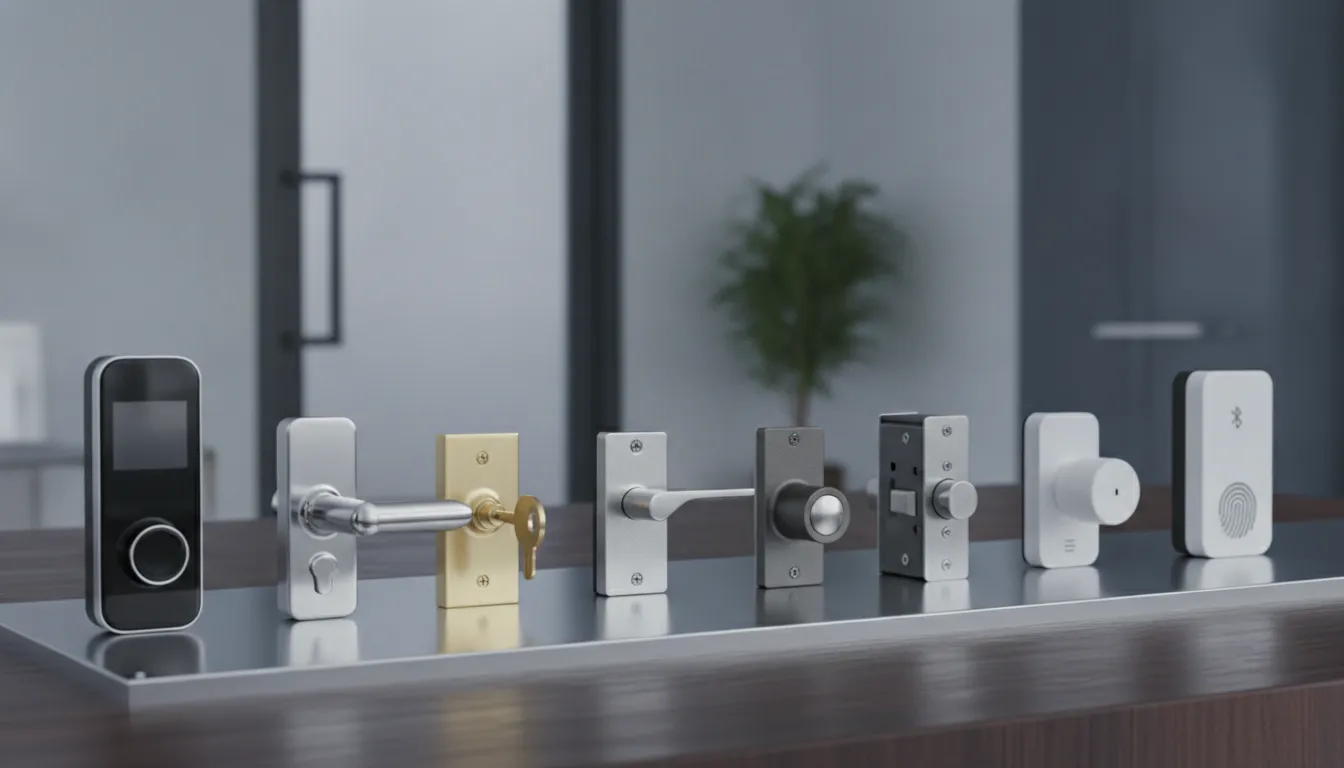
The biggest debate in home security right now seems to be smart locks versus traditional locks. One offers incredible convenience with keyless entry and remote access, while the other provides time-tested mechanical reliability. So, which one is right for you? It’s a question we hear all the time. This guide breaks down the real-world pros and cons of each. We’ll compare them on everything from physical strength and digital security to what happens when the power goes out. Our goal is to give you a clear, honest comparison to help you choose the perfect door lock for your lifestyle and security needs.
Key Takeaways
- Look Beyond the Lock: True security involves your entire entryway, not just the lock itself. Pair a high-quality, ANSI Grade 1 or 2 deadbolt with a solid-core door and a reinforced frame to create a system that resists forced entry.
- Choose the Right Lock for the Job: A simple knob lock is only suitable for interior privacy. Your home's exterior doors require a separate deadbolt for security, while commercial doors need durable, high-grade locks designed for heavy traffic and safety code compliance.
- Rekey for Access Control, Replace for Upgrades: Rekeying is a cost-effective solution when your lock works well but you need to control who has a key. Opt for a full replacement when your lock is broken, outdated, or you want to upgrade its style or security features.
Your Guide to the Different Types of Door Locks
Choosing a door lock can feel overwhelming with so many options on the shelf. But picking the right one is your first line of defense for your home or business. Not all locks are built the same, and the one that’s perfect for your front door might not be the right choice for an office file cabinet. Understanding the basic types is the first step toward making a smart security decision. This guide will walk you through the most common door locks, from heavy-duty deadbolts to convenient smart locks, so you can feel confident you’re getting the protection you need.
Deadbolts
When you think of a secure front door, you’re probably picturing a deadbolt. These locks are the gold standard for exterior doors because their locking mechanism is much stronger than a standard knob lock. They come in two main styles: single-cylinder and double-cylinder. A single-cylinder deadbolt has a keyhole on the outside and a simple thumbturn on the inside. A double-cylinder deadbolt requires a key on both sides. While a double-cylinder offers more security against someone breaking a nearby window to reach in, it can be a safety hazard in a fire. We can help you choose the right deadbolt for your residential locks to balance security and safety.
Knob and Lever Handle Locks
Knob and lever handle locks are what you’ll find on most interior doors, and for good reason. They’re easy to use and perfect for rooms that don’t require high security, like a bedroom or closet. Lever handles are especially helpful for accessibility since they don’t require a tight grip to open. While you’ll often see knob locks on exterior doors, they should always be paired with a deadbolt. On their own, they don’t provide enough security to be the primary lock for your home’s entrance. If you’re relying on just a knob lock for your front door, it’s time for an upgrade. We can help you find a solution that fits your needs when you request service.
Padlocks
Padlocks are the portable workhorses of the lock world. Since they aren’t permanently attached to a door, you can use them to secure everything from a backyard gate to a storage unit or a toolbox. They come in keyed versions or with a combination dial. Some keyed padlocks are rekeyable, meaning a locksmith can change the key that operates them, while others are not. For higher security needs, look for a padlock with a shrouded shackle. This extra metal housing protects the U-shaped part of the lock from being easily cut with bolt cutters. Padlocks are incredibly versatile, but their security level can vary greatly, so choose one that matches the value of what you’re protecting.
Smart Locks
Smart locks offer incredible convenience, allowing you to lock and unlock your door with your phone, a voice command, or even a smartwatch. Many models let you grant temporary access to guests, track who is coming and going, and integrate with your other smart home devices. While the tech features are impressive, it’s important to remember that a smart lock is only as strong as its physical components. A cheap smart lock can be just as easy to break into as a standard one. They also introduce the risk of digital hacking, though this is rare. We work with leading brands like ProdataKey to provide secure and reliable smart access solutions.
Electronic Keypad Locks
If you love the idea of ditching your keys but aren’t ready for a fully connected smart lock, an electronic keypad lock is a great middle ground. These locks let you enter a numerical code to open the door, which is perfect for family members, employees, or anyone who needs regular access without a physical key. You can often program multiple user codes and change them whenever you need to. While they offer fantastic convenience, the security they provide ultimately depends on the quality of the bolt and hardware. A keypad is just another way to operate the lock; the underlying mechanism is what keeps your door secure.
Mortise Locks
You’ve likely seen mortise locks on the doors of commercial buildings, hotels, and older, elegant homes. Unlike a standard cylindrical lock that is simply drilled through the door, a mortise lock is installed into a deep pocket, or mortise, cut into the edge of the door. This makes them incredibly strong and durable. These heavy-duty locksets often combine a latch and a deadbolt into a single unit, providing a high level of security in one package. Because of their complexity and the precise woodworking required for installation, they are a job best left to a professional. They are an excellent choice for securing commercial locks and high-traffic entryways.
Cam Locks
Cam locks are small, simple locks used for applications where high security isn’t the main priority. You’ll find them on things like mailboxes, filing cabinets, lockers, and display cases. The name comes from the straight or hooked piece of metal, the "cam," that rotates to secure the door or drawer. They are a simple and effective way to keep items private and deter casual snooping. While you wouldn’t use a cam lock to secure your home, they are essential for everyday security in offices and retail spaces. If you need a cam lock replaced on a piece of furniture or a mailbox, a locksmith can handle it quickly.
How Are Door Locks Graded for Security?
When you’re standing in the hardware aisle, it’s easy to assume all door locks offer similar protection. But the truth is, there’s a huge difference in quality and security from one lock to the next. To help you make an informed choice, the hardware industry uses a standardized grading system. Understanding these grades is the first step to choosing a lock that truly keeps your home or business secure. This system gives you a straightforward way to measure a lock's strength and durability against potential break-ins, so you know exactly what level of security you're installing on your door.
What the ANSI/BHMA Grades Mean
You’ll often see locks labeled with a grade from the American National Standards Institute (ANSI) and the Builders Hardware Manufacturers Association (BHMA). These two organizations work together to set and maintain security standards for door hardware. Think of their grading system as a report card for locks. Each lock is put through a series of tough tests to see how well it holds up against wear and tear and forced entry. The final grade, from 1 to 3, tells you how it performed. A lower number means a higher level of security, giving you a simple benchmark for comparing your options.
Grade 1 vs. Grade 2 vs. Grade 3
Grade 1 is the highest security rating a lock can receive. These locks are built to withstand serious force and are tested for extreme durability, making them ideal for commercial properties or any home that needs maximum protection. Our commercial lock services often involve installing Grade 1 hardware. Grade 2 locks are the most common choice for homes, offering a great balance of security, durability, and value. They provide excellent protection for most residential locks on exterior doors. Grade 3 locks offer basic security and are typically used for interior doors, like on a bedroom or closet, where high security isn't the main concern.
Resisting Picking, Drilling, and Bumping
The ANSI/BHMA grades are determined by a lock's ability to resist common break-in techniques. Higher-grade locks are specifically designed with features that make them tough to pick, drill, or bump open. For example, a Grade 1 lock must endure a significant number of use cycles and withstand heavy impacts without failing. While a Grade 3 lock might be vulnerable to a few minutes of tampering, a Grade 1 lock is built to frustrate and deter even skilled intruders. Choosing a lock with a higher grade means you're getting a product proven to stand up against these threats, giving you greater peace of mind.
Which Door Lock Brands Can You Trust?
When you’re choosing a lock, the brand name really does matter. Some companies have spent decades building a reputation for strength and reliability, while others focus on accessible smart technology. At The LOCK Shop, we only work with brands we’d trust for our own homes and businesses. Understanding the strengths of each can help you find the perfect fit for your security needs and budget. Here are a few of the top brands we install and service every day.
Schlage
When you think of tough, reliable locks, Schlage is often one of the first names that comes to mind. They are well-regarded for high security, with many of their products earning an impressive ANSI Grade 1 rating, the top grade for security and durability. This makes them a fantastic choice for both residential locks and commercial properties. Models like the Schlage Encode even have built-in WiFi for smart home integration without needing a separate hub. While they are a solid choice for security-conscious homeowners, it's good to know that some smart models may require more frequent battery changes.
Kwikset
Kwikset is another household name, known for making user-friendly and affordable locks. If you're looking for a budget-friendly smart lock with solid features, Kwikset is a great place to start. Their products, like the Kwikset Halo, offer convenient remote access and work well with many smart home systems. While they provide decent security for most residential uses, they may not have the same heavy-duty durability as some higher-end brands. For many homeowners, Kwikset strikes the right balance between modern convenience, ease of use, and dependable security. You can always find more security tips on our blog.
ASSA ABLOY
You might not know the name, but ASSA ABLOY is a global leader in access solutions, and their products are everywhere. They own many well-known lock brands and are a go-to for high-security commercial applications where durability is non-negotiable. Their locks are engineered for extreme reliability and incorporate advanced technology, which is why you’ll often find them in hospitals, schools, and office buildings. If you need a robust solution for your business, ASSA ABLOY offers some of the most trusted commercial locks on the market.
Arrow Lock & Door Hardware
Arrow is another heavyweight in the commercial security world. They are recognized for producing high-quality locking hardware that’s built to last, especially in high-traffic environments. Arrow locks are designed with security and durability as top priorities, often featuring advanced mechanisms that stand up to wear and tear. They are a dependable choice for businesses, retail stores, and institutions that require strong, long-lasting security solutions to protect their property and people. If you're considering an upgrade for your business, you can request service and we can find the right solution for you.
What Features Should You Look for in a Door Lock?
Choosing the right type of lock is a great first step, but the specific features of that lock are what truly define its security and convenience. Two deadbolts can look similar but offer vastly different levels of protection. When you’re shopping, it’s important to look past the packaging and consider the core components that make a lock effective. Think about the materials it’s made from, its official security rating, and how it will fit into your daily life.
A lock is part of a larger system that includes your door and its frame. The strongest lock in the world won’t do much good if it’s installed on a weak door. That’s why considering features like durability, reinforcement, and even smart capabilities is so important. Getting these details right ensures you’re not just buying a lock, but investing in a complete security solution. Whether you need a simple, sturdy lock for your front door or a more advanced system for your business, knowing which features to prioritize will help you make a confident choice.
Durability and Materials
A lock’s strength starts with the materials it’s made from. Look for locks constructed from solid, heavy-duty metals like steel and brass, which can better withstand force. However, a strong lock is only as effective as the door it’s attached to. A hollow-core door, for example, can be easily broken through, making the lock itself irrelevant. For exterior entry points, always use a solid-core door made of wood, steel, or fiberglass. When we install new residential locks, we also check the surrounding door and frame to make sure your entire entryway is secure. A high-quality lock should always be paired with a heavy-duty strike plate installed with long screws that anchor deep into the door frame, not just the trim.
Hardened Cylinders and Reinforced Strike Plates
To find a truly secure lock, look for its ANSI/BHMA grade. This rating, established by the American National Standards Institute, tells you how well a lock has performed in rigorous testing against attacks. Grade 1 is the highest, typically used for commercial buildings and high-security homes. Grade 2 is an excellent choice for most residential applications, offering strong protection. Grade 3 provides basic security and is best suited for interior doors. A hardened steel cylinder also makes the lock more resistant to drilling. Paired with a reinforced strike plate, these features create a formidable barrier against forced entry.
Smart Home Compatibility
If you love convenience, a smart lock might be the perfect fit. These locks offer features that go far beyond a traditional key. Many allow you to create temporary virtual keys for guests, dog walkers, or service professionals, which you can program to work only during specific times. You can also check if your door is locked from an app on your phone, no matter where you are. When choosing a smart lock, check its compatibility with your existing smart home ecosystem, like Google Assistant or Amazon Alexa. This integration allows you to control your locks with voice commands and include them in automated home routines.
Ease of Installation
Proper installation is critical for any door lock to function correctly. A lock that isn’t perfectly aligned can be difficult to operate, wear out prematurely, or fail to engage completely, leaving you vulnerable. The bolt must slide smoothly into the strike plate without any friction, and the latch needs to sit correctly within the door edge. While many locks come with DIY kits, even a slight misalignment can compromise your security. To ensure everything is installed perfectly for maximum safety and longevity, it’s always best to have a professional handle the job. You can request service from our team to get your new lock installed right the first time.
Smart Locks vs. Traditional Locks: Which Is Right for You?
Choosing between a smart lock and a traditional lock feels like a big decision, but it really comes down to your lifestyle, budget, and what makes you feel most secure. There’s no single right answer for everyone. Traditional locks offer time-tested mechanical security that you can see and feel, while smart locks provide a layer of digital convenience that many modern households love.
Think about your daily routine. Are you constantly juggling groceries and kids, wishing you had a free hand to open the door? Do you have a rental property or need to let in service people while you’re away? Or do you prefer the straightforward reliability of a simple key and deadbolt? Both options have strong points, and understanding the trade-offs is the key to picking the perfect lock for your front door. Let’s break down the main differences to help you decide.
Convenience and Remote Access
The biggest draw for smart locks is, without a doubt, convenience. Imagine never having to dig for your keys again. With a smart lock, you can open your door with your phone, a fingerprint, or a simple code. This is a game-changer for busy families or anyone who’s ever had their hands full.
Beyond personal use, smart locks offer incredible flexibility for granting access to others. You can create temporary virtual keys for house guests, dog walkers, or maintenance workers, and then revoke access just as easily. This means no more hiding spare keys under the mat or worrying about who might have a copy. It puts you in complete control of who enters your home, even when you’re not there, adding a modern touch to your residential locks.
Smart Home Integration
If you already have a smart home setup with devices like Alexa or Google Home, a smart lock can fit right in. Many new models connect directly to your home’s WiFi network, so you don’t need to buy any extra hardware or bridges to make them work.
This integration allows you to do more than just lock and unlock your door with a voice command. You can create routines, like having the doors lock automatically when you say "Goodnight" or checking the lock’s status from your couch. It’s about making your home’s security a seamless part of your connected life, giving you both peace of mind and a little bit of that futuristic feeling.
Power Outages and Backup Plans
A common worry with smart locks is what happens if the power or internet goes down. It’s a valid concern, but manufacturers have thought of this. Nearly all smart locks run on batteries, so a power outage won’t affect them. They also provide low-battery warnings well in advance.
And for a total fail-safe, most smart locks still include a traditional keyhole as a backup. You can always use a physical key if the battery dies unexpectedly or the keypad malfunctions. If you like the idea of a keypad but don’t need phone control, a simpler electronic lock is a great, often more affordable, alternative that gives you keyless entry without the WiFi dependency.
Are Smart Locks Actually More Secure?
This is the million-dollar question. While smart locks offer advanced digital security features like access logs and remote locking, their physical security is a different story. A high-tech smart lock can often be just as vulnerable to physical attacks, like drilling or picking, as a standard lock. Its strength still depends on its materials and construction, which is why ANSI/BHMA grades are so important for any lock you choose.
Ultimately, you have to weigh the convenience against potential digital risks. While a traditional lock can’t be hacked, a smart lock offers a record of who comes and goes. The best approach is to choose a high-quality lock from a trusted brand and ensure it’s installed correctly. If you’re unsure which option gives you the right balance of security and features, contact us to discuss what works best for your home.
Home vs. Business Locks: What's the Difference?
A lock on your front door and a lock on your office entrance might look similar, but they are designed for very different jobs. Choosing the right one isn't just about picking a brand; it's about understanding the unique demands of the space you're securing. While the goal is always to keep people and property safe, commercial locks are built to a completely different standard than their residential counterparts. The differences come down to three main factors: durability for high traffic, the need for controlled access, and strict adherence to safety regulations.
For a homeowner, a sturdy deadbolt on a solid door frame is often the foundation of a great security plan. But for a business owner, security is more complex. You have to think about the sheer number of people using a door each day, who should be allowed in certain areas, and what the local fire code requires. Using a standard residential lock on a commercial property can lead to premature failure, security gaps, and even legal issues. Understanding these distinctions is the first step toward making a smart investment in your property's security.
Meeting High-Traffic Demands
Think about how many times the front door of a busy retail store or office opens and closes in a single day. Employees, customers, and delivery drivers create a constant flow of traffic that a typical home lock simply isn't built to handle. Commercial locks are engineered for this high-frequency use. They are constructed from heavier-duty materials with more robust internal mechanisms to withstand the daily grind without wearing out. This is why you'll often see Grade 1 locks, the highest security rating from ANSI/BHMA, used in commercial settings. They are tested to endure hundreds of thousands of cycles, ensuring they function reliably for years.
The Need for Access Control
In a business environment, security is often about more than just keeping intruders out; it's about managing who can go where within the building. You might need to give all employees access to the main entrance but restrict entry to the server room, inventory closet, or executive offices to specific individuals. This is where access control systems come in. Unlike a simple key that can be easily copied, these systems can use key cards, fobs, or even biometrics to grant or deny entry. They also provide a detailed audit trail, allowing you to see exactly who accessed a door and when, adding a powerful layer of oversight that most residential locks can't offer.
Following Building and Safety Codes
Unlike homes, commercial buildings must comply with a strict set of building and safety codes, including the Americans with Disabilities Act (ADA) and local fire regulations. These rules often dictate the type of hardware you can install. For example, many commercial exit doors are required to have panic bars or lever handles that can be opened easily without tight grasping or twisting, ensuring a quick escape during an emergency. Installing a double-sided deadbolt on a fire exit, for instance, would be a serious code violation. A professional locksmith can help you choose and install hardware that not only secures your property but also keeps you compliant, avoiding potential fines and ensuring everyone's safety.
What to Expect at Different Price Points
When you start shopping for locks, you’ll notice a huge range in prices. It can be tempting to grab the cheapest option, but with security hardware, the price tag often reflects the quality of the materials and the complexity of the lock’s design. A more expensive lock isn’t just about a brand name; it’s about better resistance to common break-in methods like drilling, picking, and kicking. Think of it as an investment in your peace of mind.
Understanding what you get for your money helps you find the right balance between your budget and your security needs. Whether you’re securing a bedroom door or the front entrance to your business, there’s a lock designed for the job. We can help you explore different residential locks to find one that fits your home perfectly. Let’s break down what you can expect from different price tiers.
Entry-Level Locks
Entry-level locks are the most affordable and are typically what you find in big-box hardware stores. This category often includes basic knob locks. While they’re fine for interior doors like a bathroom or closet, they aren’t a great choice for your home’s exterior. The reason is simple: the entire locking mechanism is housed inside the knob itself. A well-aimed hit with a hammer or a bit of force with pliers can break the knob right off, giving someone easy access. For any door that leads outside, a knob lock should only be used as a secondary lock, not your main line of defense.
Mid-Range Security
In the mid-range, you’ll find standard deadbolts and more robust handle sets. These offer a significant security improvement over a simple knob lock. However, not all deadbolts are created equal. Many standard models can still be defeated with a few strong kicks or by a cordless drill. This is where you start seeing the value of features like hardened steel components and reinforced strike plates. While a good lock costs more upfront, it’s often much less than the cost of your insurance deductible after a break-in. This price point is where most homeowners find a solid balance of security and affordability.
Premium and High-Tech Options
Premium locks include high-security deadbolts and smart locks. High-security models are built to resist drilling, picking, and bumping with specialized pins and hardened materials. Smart locks, like those from trusted brands such as Schlage, offer incredible convenience with features like keyless entry, remote access via your phone, and guest codes. It’s important to remember that while smart locks are convenient, their physical security is key. Many can be just as vulnerable to physical attacks as traditional locks, so it’s crucial to choose a model with strong, high-quality hardware to back up its smart features.
Common Door Lock Myths to Ignore
When it comes to securing your home or business, what you don’t know can hurt you. There are a lot of common beliefs about door locks that sound right but are actually security risks in disguise. Believing these myths can give you a false sense of safety, leaving your property vulnerable. Let's clear up some of the most persistent and dangerous myths so you can make informed decisions about protecting what matters most.
Myth: All Locks Provide the Same Security
It’s easy to think a lock is just a lock, but that’s one of the riskiest assumptions you can make. The truth is, there’s a huge difference in quality and strength between a cheap, off-the-shelf lock and a professionally graded one. Many basic locks can be forced open with a couple of kicks or bypassed with simple tools in minutes. True security comes from locks built with durable materials like solid brass or steel and designed to resist tampering. When you're choosing your residential locks, look for ANSI/BHMA grading. A Grade 1 or Grade 2 lock offers significantly more protection than a non-graded one, ensuring it can stand up to real-world threats.
Myth: A Knob Lock Is Enough for an Exterior Door
Please don't rely on a simple doorknob lock to secure an exterior door. These locks are designed for interior privacy, like for a bathroom or bedroom, not for keeping intruders out. Their locking mechanism is located within the knob itself, making them incredibly easy to defeat. A well-placed hit with a hammer or a twist with a wrench can break the knob right off, granting instant access. For any exterior door, a knob lock should only be used for convenience. Your actual security should come from a separate, high-quality deadbolt installed alongside it. This combination provides the layered defense you need to properly secure your home.
Myth: Smart Locks Are Unhackable
Smart locks offer amazing convenience, but "smart" doesn't automatically mean "secure." While they protect against lost keys, they introduce new vulnerabilities. Many people worry about digital hacking, which is a valid concern, but forget that smart locks can often be defeated with old-fashioned force. Research shows that many high-tech locks are just as susceptible to being drilled or picked as their traditional counterparts. If you’re considering a smart lock, choose one from a trusted brand like Schlage that invests heavily in both physical durability and digital encryption. This ensures you get modern convenience without compromising on fundamental strength.
Myth: All Deadbolts Are the Same
Not all deadbolts are created equal. The most common distinction is between single-cylinder and double-cylinder models. A single-cylinder deadbolt has a keyhole on the outside and a thumbturn on the inside. This is convenient, but it creates a major vulnerability if you have glass on or near your door. An intruder could simply break the glass, reach inside, and flip the thumbturn to unlock the door. A double-cylinder deadbolt requires a key on both sides, preventing this. While more secure in this scenario, it can be a safety hazard during an emergency like a fire. It's important to choose the right deadbolt for each specific door in your home.
How to Improve Door Security Beyond the Lock
A high-quality lock is your first line of defense, but true security is about creating layers of protection. Even the best lock can't do its job if the door, frame, or surrounding environment has weak spots. Intruders often look for the path of least resistance, so strengthening your entire entryway is a crucial step. By thinking beyond the lock itself, you can make your home or business a much harder target. These extra measures work together to create a robust security system that gives you peace of mind, whether you're at home or away.
Reinforce Your Door Frame and Strike Plate
A strong lock on a weak door is like putting a vault door on a cardboard box. Many intruders gain entry not by picking a lock, but by kicking in the door itself. The weakest points are often the door frame and the strike plate, which is the metal plate where the lock's bolt enters the frame. You can significantly strengthen this area by replacing the standard, short screws with 3-inch screws that anchor into the wall stud behind the frame. For even better protection, we can install a heavy-duty box strike. Don't forget the hinges, either. Securing them with longer screws makes it much harder to pry the door open from the side. These small upgrades make a huge difference in your residential security.
Secure Sliding Doors and Windows
Sliding glass doors are a popular feature in many Arizona homes, but their factory-installed locks are often flimsy and easy to force open. A simple and effective solution is to place a security bar in the track to prevent the door from sliding. You can also add secondary locks that are specifically designed for sliding doors. For windows, especially those on the ground floor, make sure the locks are functional and always engaged. If you want to add another layer of protection for your valuables inside, consider investing in a high-quality home safe to store important documents, jewelry, and other irreplaceable items.
Add Motion-Activated Lights and Cameras
Burglars thrive on secrecy and darkness. Taking that away is a powerful deterrent. Installing motion-activated lights around your property, especially near entry points like the front door, back door, and garage, can startle a potential intruder and send them running. When you pair lights with visible security cameras, you create an environment where a thief knows they are being watched and recorded. Many modern security camera systems can even send an alert directly to your phone, allowing you to monitor your property from anywhere. This increased visibility makes your home a much less appealing target.
Make Your Home Look Occupied
An empty house is an invitation for trouble. Most burglars are opportunists looking for an easy score, so making your home look lived-in, especially when you're on vacation, is a simple and effective security strategy. Use automatic timers to turn lights, radios, or a TV on and off at various times to create the illusion of activity. Ask a trusted neighbor to collect your mail, newspapers, and any packages, as a pile-up is a dead giveaway that no one is home. If you'll be gone for a while, arrange for someone to mow your lawn. These small steps can convince a potential intruder to move on to an easier target. Before you leave, you can always request service for a quick security check-up.
Should You Replace, Rekey, or Call a Locksmith?
Knowing what to do with a faulty or compromised lock can be confusing. Do you need a whole new lock, or can you just change the key? Sometimes a little maintenance is all it takes, while other situations require a professional touch. Let's walk through the options so you can make the best choice for your home, business, or vehicle.
Signs It's Time for a New Lock
If you’ve just moved into a new home, it’s always a smart move to change the locks right away. You never know who might still have a copy of the old key. Other clear signs that you need a replacement include visible damage, rust, or tarnish that affects the lock's function. If your key sticks, is difficult to turn, or the latch doesn’t catch properly, the internal mechanism might be worn out. This is also a good time to consider an upgrade. If you’re looking to improve your home’s security, swapping an old lock for one of today’s high-security residential locks is a great step.
Rekeying vs. Replacing: Which to Choose?
Rekeying and replacing are two different solutions for different problems. Rekeying is a cost-effective way to secure your property without installing brand-new hardware. A locksmith simply alters the pins inside the existing lock so that it works with a new key. This is the perfect option if your lock is in good shape but you’ve lost a key, had a tenant move out, or want to be sure no one else has access. Replacing, on the other hand, involves removing the old lock entirely and installing a new one. You’ll need to replace your lock if it’s broken, outdated, or if you want to change the style or upgrade to a more secure model, like a commercial lock with advanced features.
How to Properly Maintain Your Locks
A little upkeep can go a long way in extending the life of your locks. At least twice a year, it’s a good idea to lubricate them to keep the internal parts moving smoothly. Use a graphite or dry silicone-based lubricant, as wet lubricants like WD-40 can attract dust and gum up the mechanism over time. Simply spray a small amount into the keyway and run the key in and out a few times. You should also regularly clean your locks to remove any grime that could interfere with their function. While you’re at it, check that all screws on the lock and strike plate are tight to ensure everything stays properly aligned. For more helpful tips, you can always check our blog.
When to Call a Professional
While tightening a screw is simple enough, most lock-related tasks are best left to a professional. Incorrectly installing a lock can damage your door, misalign the bolt, and ultimately compromise your security. An installation mistake on the door or its frame can be a costly fix. If your lock is malfunctioning, a professional can diagnose the problem correctly and determine if it needs a simple repair or a full replacement. When you’re locked out or need to secure your property quickly, calling a locksmith is the safest and most efficient solution. If you need help with any lock issue, you can request service from our team, and we’ll come to you.
Frequently Asked Questions
I just moved into a new house. Should I replace all the locks or just rekey them? This is a great question, and one we get all the time. If your existing locks are in good physical condition and you like their style, rekeying is a fantastic and cost-effective option. A locksmith will simply adjust the pins inside your current locks so they work with a brand new key, making any old copies useless. However, if your locks are old, rusted, or you want to upgrade to a higher security model, then replacing them entirely is the better choice.
Are smart locks actually as secure as traditional deadbolts? A smart lock’s security really depends on its physical strength, not just its tech features. While the convenience of keyless entry is wonderful, a smart lock is only as secure as its bolt, materials, and construction. A cheap smart lock can be just as easy to force open as a cheap traditional one. The best approach is to choose a smart lock from a reputable brand that has a high ANSI/BHMA security grade (like Grade 1 or 2), ensuring you get both modern convenience and proven physical protection.
Is it really worth paying more for a high-security lock? Yes, in most cases, it absolutely is. The price of a lock often reflects the quality of its internal components and its resistance to attack. Less expensive locks may use weaker metals and simpler designs that can be bypassed more easily through drilling, picking, or force. A premium, high-security lock is built with hardened materials and complex pin systems specifically designed to frustrate and deter these break-in methods. Think of it as an investment that provides real security and peace of mind.
Besides the lock, what’s the single most important thing I can do to make my front door more secure? The most critical step you can take is to reinforce your door frame. Most break-ins don't happen from picking a lock; they happen from someone kicking the door in, which splinters the weak wood around the strike plate. You can dramatically strengthen this area by replacing the small, half-inch screws in your strike plate and hinges with 3-inch screws. These longer screws will anchor the hardware deep into the solid wall stud behind the frame, making your door significantly more resistant to force.
Why can’t I just use a regular home deadbolt for my small business? A commercial entryway endures far more use and abuse than a typical front door. Residential locks aren't built to handle that constant traffic and will wear out quickly. Commercial locks are typically Grade 1, meaning they are tested for extreme durability. Furthermore, businesses must comply with safety and accessibility codes (like the ADA) that dictate specific hardware, such as lever handles or panic bars, which residential locks don't always meet.