September 15, 2026
Find the best smart locks for every budget and door type. Compare features, compatibility, and installation tips to choose the right smart lock for your needs.

The best smart locks can replace copied keys and shared access codes with a more organized way to secure your property. Families can create separate codes for household members. Property managers can provide scheduled access to tenants and contractors. Businesses can manage employee credentials and review entry activity across multiple doors. Still, smart technology does not fix a weak door, damaged frame, or misaligned deadbolt. Before you buy, review compatibility, security ratings, connectivity, battery requirements, and backup entry methods. The LOCK Shop provides local advice, installation, repairs, and access control services for homes and businesses throughout Mesa, the East Valley, and the Phoenix metropolitan area.
Key Takeaways
Best Smart Locks at a Glance
The best smart lock depends on your door, household, access needs, and preferred smart home platform. A family may want separate codes for each person, activity alerts, and automatic locking. A renter may prefer a retrofit model that works with the existing deadbolt. A business may need centralized access control, employee permissions, and entry records across several doors.
Smart locks also use different connection types. Some include built-in Wi-Fi for remote access, while others connect through Bluetooth or a separate hub. Before buying, check compatibility with Apple Home, Amazon Alexa, Google Home, or another platform you already use. A lock can have excellent features and still be a poor fit if it does not work with your devices.
Door compatibility matters just as much. Deadbolt style, backset measurement, door thickness, alignment, and available clearance can all affect installation. A locksmith can inspect these details and help you compare security, convenience, and total cost. The LOCK Shop provides residential lock services in Mesa and nearby communities, including lock installation, repairs, and setup.
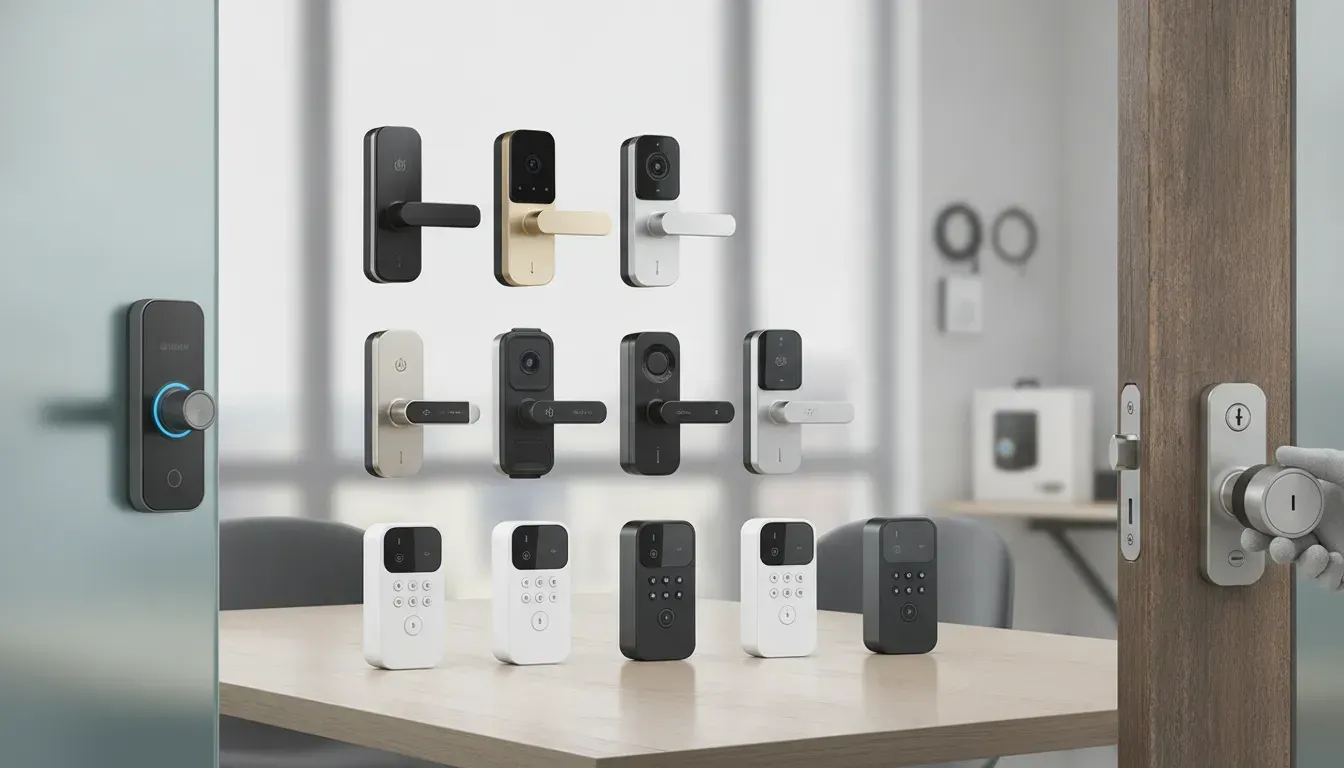
Here are several smart lock options for different budgets, doors, and access requirements.
The LOCK Shop: Get Local Smart Lock Advice and Installation
Smart lock listings can be difficult to compare because they use different security grades, connection types, access methods, and installation requirements. The LOCK Shop works with established brands, including Schlage, Kwikset, and ASSA ABLOY, and can help you choose hardware that matches your door and routine.
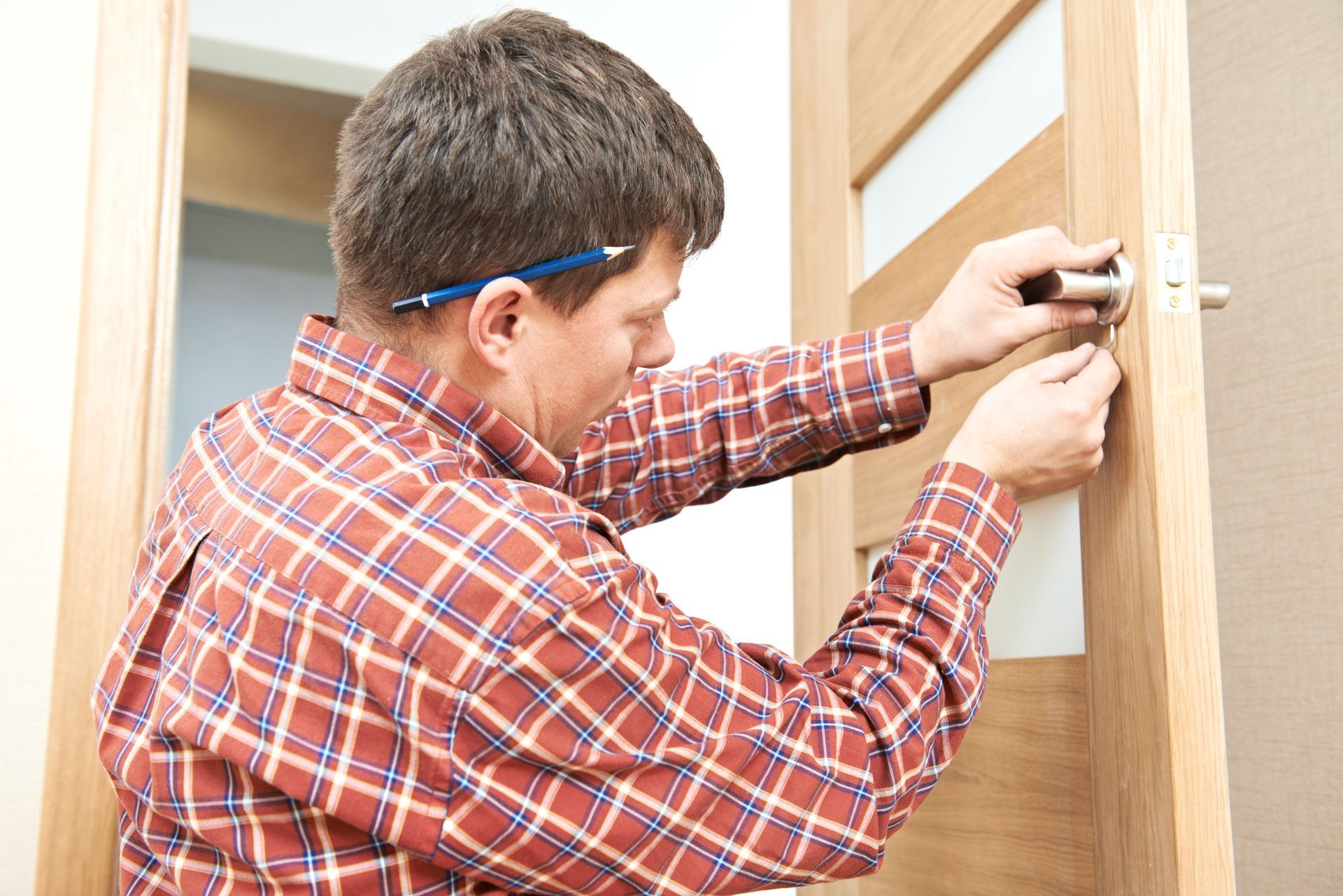
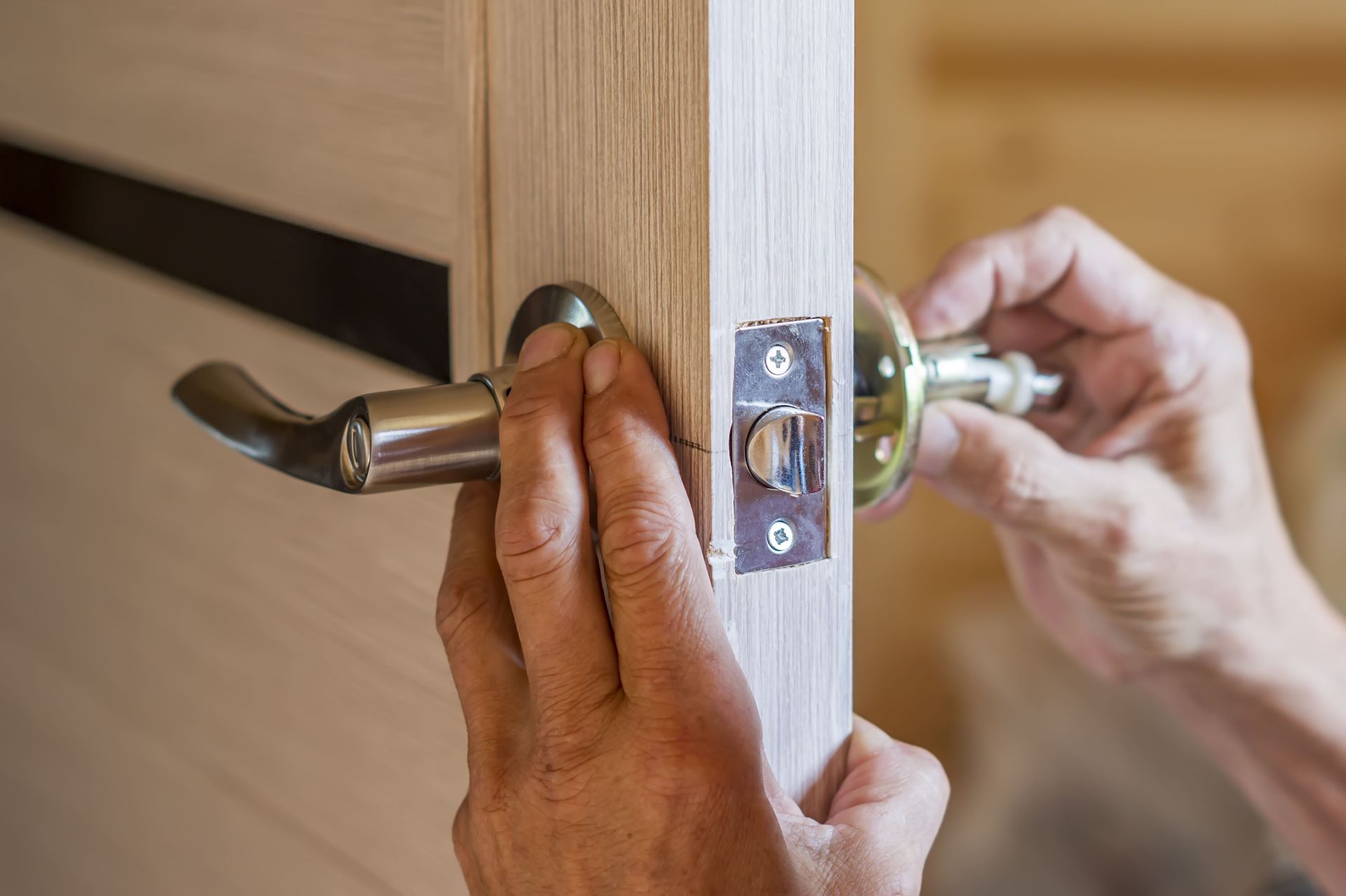
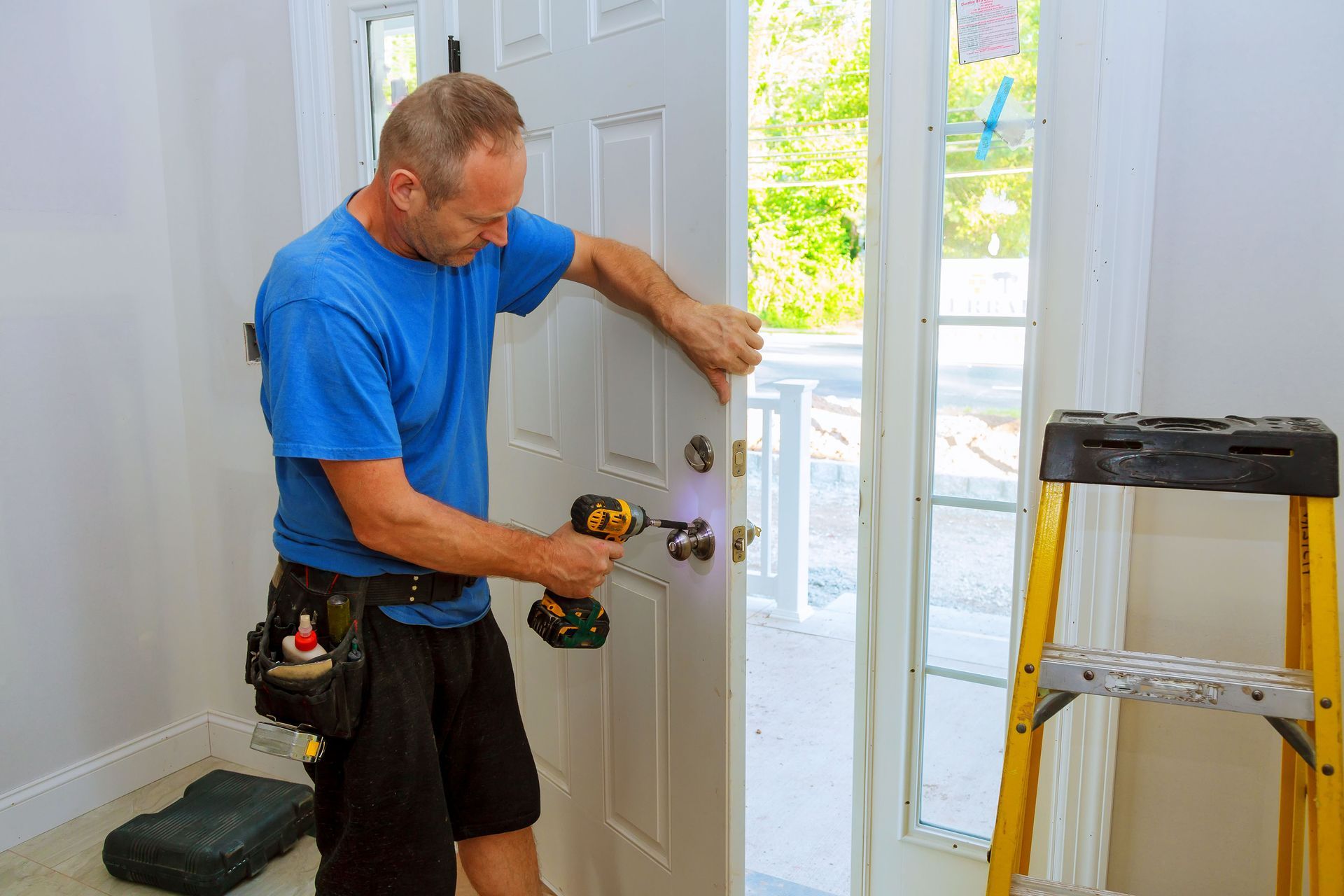
Professional installation can prevent problems that are easy to miss during a do-it-yourself installation. A lock may appear compatible but still need adjustments to the deadbolt, strike plate, or door frame. A locksmith can install the hardware, test the locking mechanism, connect the app, program user codes, and explain backup entry options.
The LOCK Shop serves homeowners, property managers, and business owners throughout Mesa, the East Valley, and the Phoenix metropolitan area. Its mobile locksmith service brings tools and equipment to your location. This can be helpful when you need a new smart lock installed, an existing lock repaired, or a door checked for compatibility.
Schlage Encode Plus: Best Premium Smart Lock
The Schlage Encode Plus Smart WiFi Deadbolt is a strong choice for homeowners who want built-in connectivity and several entry options. Since Wi-Fi is included, you do not need a separate hub for remote control. The lock supports Apple Home Key, Amazon Alexa, Google Assistant, and Siri, which makes it suitable for households using different smart home devices.
You can create up to 100 access codes, review activity, and use the touchscreen keypad instead of carrying a key. Apple users can tap a compatible iPhone or Apple Watch to unlock the door with Home Key. Traditional key access also provides a backup if your phone is unavailable or you prefer a physical key.
The Encode Plus usually costs more than basic keypad locks, so it makes the most sense when you plan to use its connected features regularly. Review the manufacturer’s product information and confirm that your door, phone, and smart home system are compatible before purchasing.
Yale Assure Lock 2: Best for Flexible Access
The Yale Assure Lock 2 is a good fit for households that want a compact design, app-based management, and broad smart home compatibility. Depending on the model and connection module, it can work with Apple Home and Siri, Amazon Alexa, Google Home and Assistant, or ADT Plus. This lets you select the setup that works with your existing devices.
The lock supports key-free entry through a keypad, phone, or connected platform. That can make daily access easier for families, guests, and homeowners who want separate codes instead of copied keys. Some versions have different access methods and connection features, so check the exact model before ordering.
The Assure Lock 2 may also suit homeowners who care about the appearance of their door hardware. Its compact design works well with many contemporary entry doors, but compatibility depends on the existing deadbolt and door preparation. Yale provides installation and compatibility details to help you review the requirements.
August Smart Lock Pro: Best Retrofit Smart Lock
The August Smart Lock Pro is designed for people who want smart features without replacing the outside portion of an existing deadbolt. The interior unit fits over the current deadbolt mechanism, while the exterior key cylinder remains in place. This retrofit design can be useful for renters, apartment residents, and homeowners who want to keep using their existing keys.
Through the app, you can lock and unlock the door remotely, review activity, and provide access to guests. Depending on the setup, the lock may also support voice control, automatic locking, and other connected features. Since the exterior hardware stays the same, the change is less noticeable from outside.
Check the condition of your existing deadbolt before choosing a retrofit model. A stiff, worn, or misaligned deadbolt can make it difficult for the interior motor to operate correctly. August’s smart lock support information explains compatibility and setup requirements. A locksmith can also inspect the door and correct alignment issues before installation.
Kwikset Halo: Best Value Smart Lock
Kwikset Halo is a practical option for homeowners who want connected access without paying for a premium model. Select Halo versions include built-in Wi-Fi, allowing remote app control without a separate hub. Depending on the model, features may include fingerprint entry, custom access codes, automatic locking, and alerts for attempted entry.
The lock can simplify access for families. Instead of making copies of a key, you can provide individual codes or fingerprints to approved users. You can also remove access when a guest, contractor, or former tenant no longer needs it.
Kwikset offers several Halo configurations, so compare the exact model’s keypad, fingerprint, Wi-Fi, keyway, and backup entry features before purchasing. Some versions include traditional key access, which can help during a phone, battery, or network problem. Review the manufacturer’s Halo smart lock options to find a model that fits your door and access preferences.
ProdataKey and ASSA ABLOY: Best Commercial Access Control
Businesses often need more than a residential smart lock. Offices, retail locations, medical facilities, and multi-tenant properties may require different permissions for employees, managers, vendors, and visitors. They may also need scheduled access, entry records, and centralized management across multiple doors.
ProdataKey and ASSA ABLOY offer commercial access control solutions for more structured security needs. ASSA ABLOY provides hardware and access technologies that can integrate with broader security systems. ProdataKey offers cloud-managed access control for businesses that need to manage users and doors from a central platform. A complete system may include electronic locks, readers, credentials, intercoms, door controllers, and administrative software.
Commercial systems require careful planning. Hardware must work with the door, power supply, exit devices, fire safety requirements, and existing security equipment. The LOCK Shop can help businesses review commercial lock services and identify a solution for employee access, tenant management, or multiple entry points.
Compare Price, Security, Access, Ecosystem, and Installation
Price is only one part of a smart lock comparison. Start with the lock’s construction, keyway, security rating, and resistance to forced entry. ANSI/BHMA grades can provide a useful reference, but the rating does not replace proper installation. A strong lock may perform poorly if the strike plate is loose, the door frame is damaged, or the door does not close and latch correctly.
Then compare access methods. Keypads work well for families and guests, fingerprint readers reduce the need to remember codes, and app access lets you unlock the door remotely. A physical key or another backup method remains useful during a dead battery, phone problem, or internet outage.
Compatibility is equally important. Confirm support for Apple Home, Amazon Alexa, Google Home, Matter, or another platform before buying. Check battery life, alert settings, user limits, installation requirements, and subscription fees. For businesses, compare audit trails, schedules, permission levels, and management for multiple doors.
If you are unsure which model suits your property, The LOCK Shop can evaluate the door, existing hardware, and intended users before installation. You can contact The LOCK Shop for help comparing residential and commercial smart lock options.
Which Smart Lock Fits Your Needs?
The right smart lock depends on the door, the people using it, and the level of control you need. A family may want personal entry codes and phone alerts, while a renter may need a removable retrofit model. A property manager may need one platform for several units, scheduled access, and a record of who entered each property.
Start by listing everyone who needs access. Consider family members, employees, guests, caregivers, contractors, tenants, and emergency contacts. Then decide whether each person needs ongoing access, a temporary code, or entry only during specific hours. This helps you avoid paying for features you will not use.
Next, inspect the door and existing hardware. The lock must match the deadbolt style, door thickness, backset, strike plate, and frame. A door that sticks, drags, or fails to close properly may need attention before a smart lock is installed. The LOCK Shop can help you repair, rekey, or replace residential locks before adding connected hardware.
Your preferred entry method matters, too. Keypads can be convenient for families and seniors, apps allow remote control, and physical keys provide a familiar backup. Fingerprint readers may suit some households, but they are not ideal for every user or property. For businesses with several doors, employee permissions, or detailed entry records, commercial access control may be a better choice than a standalone residential lock.
Best Smart Locks for Families and Homeowners
Families often need several dependable ways to enter the home. A keypad allows each person to use an individual code, while an app lets you check the door or provide access when you are away. Activity alerts can show when a code was used, and auto-lock can help prevent the door from being left unsecured.
Look for simple user management, low-battery notifications, a physical key or mechanical override, and settings that are easy for everyone in the household to understand. Multiple entry options can also reduce the problems caused by lost, copied, or shared keys. iPlug India explains how modern smart locks combine access methods, including PINs, fingerprints, apps, and backup keys.
Before purchasing, confirm that the model fits your deadbolt and works with your smart home system. The LOCK Shop provides residential locksmith services for homeowners in Mesa and surrounding East Valley communities.
Best Smart Locks for Renters and Apartments
Renters typically need a lock that adds convenience without permanently changing the door. A retrofit model may fit over the interior part of an existing deadbolt, allowing you to keep the outside cylinder and remove the device when you move.
Ask your landlord or property manager for written approval before changing any lock. Apartment doors may use mortise, multi-point, restricted, or building-wide hardware that does not work with a standard residential product. Building rules may also require management to keep an emergency key or use a shared access platform.
Many modern smart locks are designed as retrofit products, so replacing the entire door or frame may not be necessary, as Aziot explains in its guide to smart lock installation. A locksmith can inspect the hardware, measure the door, and recommend an option that fits your lease and building requirements.
Best Smart Locks for Seniors and Keypad Access
For many seniors, a keypad is easier to use than carrying and locating a physical key. A large, illuminated keypad with clear buttons can make daily entry simpler, especially when someone is carrying groceries or has limited dexterity. Remote access may also help a trusted family member assist from a distance.
Choose a model with straightforward code setup, clear feedback, low-battery warnings, and a dependable backup entry method. If the user is not comfortable with smartphones, do not make an app the only way to enter. A physical key, mechanical override, or exterior battery connection can help when the internal battery is empty.
Entering a PIN or using a fingerprint can be faster than searching for keys, according to iPlug India’s overview of smart lock access methods. During installation, place the keypad at a comfortable height and make sure the door closes without force.
Best Smart Locks for Guests and Service Providers
A smart lock can make it easier to give entry to a housekeeper, caregiver, dog walker, contractor, or visiting family member without handing over a permanent key. Create a separate code for each person, then remove it when the arrangement ends. This keeps access tied to a user instead of a key that could be copied or misplaced.
Choose a model that supports individual codes, scheduled access, and activity notifications. A recurring code may suit a cleaner who visits every week, while a one-time code may be better for a repair appointment. Time-based permissions can limit entry to approved days and hours, as Aziot describes in its smart lock guide.
Use the shortest access period that meets the person’s needs, and review active users regularly. For sensitive spaces such as a home office or storage room, install a separate lock rather than granting access to the entire property.
Best Smart Locks for Property Managers
Property managers often coordinate move-ins, move-outs, maintenance visits, inspections, and emergencies. A managed smart lock system can reduce the need for large key collections by allowing you to issue, change, and remove credentials as occupants and staff change. Entry records may also help confirm when an authorized user entered a unit or shared space.
A keypad lock with app access may be suitable for one rental home. Larger properties may need centralized management, multiple permission levels, remote administration, and support for several doors or units. Ask whether the system provides activity records, battery alerts, credential scheduling, staff access controls, and a process for transferring administrative ownership.
Review the platform’s connection method, software support, subscription costs, and backup entry plan before making a purchase. Aziot’s discussion of smart lock safeguards shows why understanding the system matters as much as comparing hardware. The LOCK Shop can also assist with installation, rekeying, repairs, and hardware coordination.
Best Smart Locks for Offices and Storefronts
Offices and storefronts need access rules that match business hours, staffing changes, deliveries, and after-hours entry. A keypad may work for a small office, while an app-managed lock can help an owner assign access without giving every employee a physical key. Businesses with multiple entry points may need user permissions and separate controls for each door.
Look for audit trails, scheduled credentials, tamper alerts, and a simple way to remove former employees. Consider how staff will enter before opening, how managers will enter after hours, and how cleaners or delivery workers will receive access. If the lock connects with a camera, alarm, or access platform, confirm compatibility before installation.
A clear interface can help employees follow better security practices instead of sharing one code. The Connected Shop discusses the importance of user-friendly smart lock controls, including app-based management. For commercial doors, also check exit hardware, fire safety requirements, and local building rules.
Choose Commercial Access Control for the Right Situation
Commercial access control may be the better choice when you need to manage several doors, assign different permission levels, keep detailed entry records, or connect locks to a broader security system. Depending on the property, employees and visitors may use keycards, fobs, mobile credentials, PINs, or biometric readers.
This type of system can suit offices, retail locations, warehouses, medical practices, apartment buildings, and facilities with restricted areas. It can also simplify staff changes because administrators can disable a credential without collecting every key. Before choosing equipment, ask how the system behaves during a power or network outage, whether doors should be fail-safe or fail-secure, and how emergency entry will work.
Modern systems may use encryption and several verification methods, including PINs, RFID cards, fingerprints, and backup keys, as iPlug India outlines in its smart lock overview. The LOCK Shop works with commercial hardware and access solutions from ProdataKey and ASSA ABLOY, helping Mesa-area businesses select equipment that fits their doors, staff, and security procedures.
Which Features Matter in a Smart Lock?
The best smart lock is not necessarily the one with the longest feature list. It is the one that fits your door, household, daily routine, and security needs. A homeowner may care most about keypad entry and automatic locking, while a property manager may need temporary credentials, activity logs, and control across several units. A business owner may need scheduled employee access, door monitoring, and a system that can grow with the building.
Start by considering who uses the door and how often. Do family members need individual codes? Will guests, cleaners, caregivers, or contractors need temporary entry? Do you want to control the lock while away from home? Your answers will help you focus on useful features instead of paying for options you may never use.
Door compatibility matters, too. Before choosing a model, check the deadbolt style, backset, door thickness, handing, available space, and condition of the existing hardware. A smart lock cannot compensate for a misaligned door or a weak strike plate. If you are unsure whether your current setup is compatible, The LOCK Shop offers residential lock services for homeowners in Mesa and nearby East Valley communities.
Get Remote Access and Activity Alerts
Remote access lets you lock or unlock a compatible door through a smartphone app. This can be useful when you are away from home and need to let in a family member, contractor, caregiver, or guest. You can also check whether the door is locked without turning around during your commute. Some locks connect directly to Wi-Fi, while others need a separate hub. Bluetooth-only models may work only when your phone is nearby.
Activity alerts can tell you when the door was locked or unlocked, depending on the model and connection type. Before buying, check whether you can customize notifications, assign individual users, and see the time and method of entry.
Businesses need more than one shared login. Look for permission settings that allow owners or managers to control employee access. The LOCK Shop provides commercial lock solutions for offices, retail spaces, and other properties that need dependable access management.
Use Auto-Lock, Auto-Unlock, and Geofencing
Auto-lock secures the door after a set period, such as 30 seconds or five minutes. This feature can help when someone forgets to lock up, but choose the timing carefully. A short delay may be inconvenient when people are carrying groceries, bringing in packages, or moving between the house and garage.
Auto-unlock and geofencing use your phone’s location or proximity to determine when you arrive. These features can be convenient, but they depend on app permissions, phone battery life, wireless connections, and location accuracy. Some homeowners prefer to leave auto-unlock disabled and use a keypad code instead.
Test automatic settings while you are at home. Make sure the door closes completely, the deadbolt extends smoothly, and everyone understands what will happen. If the bolt rubs against the strike plate, the motor may struggle or fail. Correcting door alignment before installation can make the smart lock more dependable.
Create Temporary Codes and Access Schedules
Temporary codes allow you to give someone access without handing over a physical key. You might create a code for a house cleaner, dog walker, caregiver, guest, or repair professional, then delete it after the visit. Some models let you limit codes to certain days or hours, which is helpful when access should follow a regular schedule.
Create a separate code for each person whenever possible. Avoid easy combinations based on an address, birthday, or phone number. Review active codes regularly, especially after a tenant moves out, an employee leaves, or a service relationship ends.
Property managers can use scheduled credentials for rental units, maintenance visits, and common areas. However, residential smart locks may not support the number of users or access rules a larger property requires. For multiple doors or frequent tenant changes, a commercial access control system may provide better oversight than individual locks.
Choose App, Keypad, Key, Fingerprint, or Voice Access
A smart lock should offer an entry method that people can use comfortably. Keypad access works well for families, guests, and residents who do not want to carry keys. A physical key provides a familiar backup, while an app can handle remote access and notifications. Fingerprint readers may offer quick entry, although performance can vary with wet, dirty, or injured fingers.
Voice control can be convenient when a lock connects with a compatible smart-home assistant. Still, it should not be your only entry option. Voice commands may depend on internet access, account permissions, and the security settings of your smart speaker.
Think about the people who use the door. A well-lit keypad with large numbers may be easier for a senior than a phone app. Rental owners may prefer codes because they can be changed without collecting keys. A locksmith can also determine whether a smart lock works with the current keyway or whether replacement hardware is a better choice.
Manage User Profiles, Entry Logs, and Audit Trails
User profiles allow you to assign access to specific people instead of sharing one code. When someone no longer needs entry, you can remove that person without changing every other credential. Look for controls that let you name users, set schedules, assign permissions, and receive alerts for selected activity.
Entry logs record lock activity, including the user, time, and access method when supported by the model. Homeowners may use logs to check when children arrived home. Business owners and property managers may rely on audit trails when reviewing employee access, tenant turnover, or a security concern.
Check how long records are stored and whether they remain available during an internet outage. Some locks save limited activity on the device or a local hub, while others depend on cloud storage. Review account permissions and remove former users promptly. These details become increasingly important as more people share access to the property.
Monitor Battery Life, Alerts, and Backup Power
Most residential smart locks use batteries, so battery maintenance should be part of your routine. Choose a model that provides low-battery warnings through the app, keypad, or an audible alert. Replace batteries before the warning becomes urgent, especially on a frequently used entry or a rental property between visits.
Find out what happens if the batteries run out completely. Some locks have exterior contacts for temporary emergency power, while others include a concealed keyway. Keep the correct backup method available and show household members how to use it. Avoid leaving a spare key in an obvious outdoor hiding place.
Heat can affect battery performance, especially on doors exposed to direct Arizona sun. Follow the manufacturer’s instructions for battery type and replacement. Unusually fast drain may point to a weak wireless connection, a misaligned door, or a motor working against excess resistance. The LOCK Shop can help with related lock repair and replacement needs.
Protect Access With Tamper Alerts, Two-Factor Authentication, and Encryption
A smart lock protects both a physical entry point and a digital account. Tamper alerts may notify you after repeated incorrect codes, interference with the lock, or an attempted forced entry, depending on the model. These notifications are useful, but they do not replace a strong deadbolt, secure strike plate, solid door, and sturdy frame.
Turn on two-factor authentication when the lock’s app supports it. This adds another verification step before someone can access the account remotely. Use a unique password, install software updates, and remove phones or users you no longer recognize.
Encryption helps protect information as it travels between the lock, app, hub, and cloud service. Review the manufacturer’s security and privacy information before purchasing. Also check how a factory reset works and whether it removes stored users. For a business, digital account security should be managed alongside physical access policies.
Check Weather Resistance, App Quality, and Support
Exterior locks face sun, dust, wind, rain, and temperature changes. These conditions can affect the keypad, batteries, sensors, and finish over time. Review the product’s weather-resistance information and confirm that it suits the door’s location. A covered front entry may be less demanding than a side door or gate exposed to the elements.
The app matters as much as the hardware. Look for clear controls, reliable notifications, simple user management, and an installation process that is easy to understand. Customer reviews can reveal recurring problems with connectivity, battery drain, or account recovery, but star ratings should not be your only source of information.
Support is valuable when a lock will not pair, a code stops working, or the door needs adjustment. Check the warranty, replacement policy, and available support channels. When the issue involves both technology and door hardware, local help can save time. Homeowners in Mesa and the East Valley can request service from The LOCK Shop.
Manage Multiple Doors for Homes and Businesses
One smart lock may be easy to manage, but several doors require a more organized approach. Before buying multiple units, confirm that they use the same app, support centralized user management, and work with the same connection method. Otherwise, you may need several accounts or separate apps to control each entry.
A home may have smart locks on the front door, garage entry, side door, and guest suite. Label each lock clearly in the app, assign access according to need, and check whether one subscription covers all devices. You should also be able to filter activity by door or user.
Businesses often need more than remote locking. Offices, storefronts, and managed properties may require employee credentials, scheduled access, audit trails, door status monitoring, and immediate deactivation. Solutions such as ProdataKey and ASSA ABLOY commercial hardware may be a better fit than separate residential locks. A locksmith can review the building layout, current doors, and access patterns before recommending a system.
Are Smart Locks Secure and Reliable?
Smart locks can be secure and dependable when you choose the right model and install it on a sound door. They use electronic credentials, encrypted communication, activity alerts, and access schedules to give you more control than a basic keyed lock. You can create a code for a family member, give temporary entry to a house cleaner, or check who entered after a service visit.
A smart lock is only one part of your entry security, though. The door, frame, hinges, deadbolt, mobile app, home network, and user habits all affect performance. A premium lock installed on a loose door frame will not provide the protection you expect. Likewise, a well-built lock can cause problems if the app account has a weak password or the batteries are ignored.
Before choosing a product, review its security rating, communication method, backup entry options, and compatibility with your door. Professional installation can also prevent alignment problems and confirm that the lock operates smoothly. The LOCK Shop provides residential lock services in Mesa and nearby communities, including repairs, rekeying, replacements, and security upgrades.
Check ANSI/BHMA Ratings and Lock Grades
Look for ANSI/BHMA certification when comparing smart locks. The American National Standards Institute and Builders Hardware Manufacturers Association evaluate residential hardware for factors such as strength, cycle testing, security, and durability. Grade 1 hardware generally offers the highest performance level, followed by Grade 2 and Grade 3.
A higher grade does not automatically make a lock right for every home. Confirm that the lock fits your door, deadbolt, backset, and intended use. For a busy rental property or commercial entrance, durability and credential management may matter more than a sleek residential design. For a front door, you may want keypad access, a physical key backup, or remote alerts.
Review the manufacturer’s test information rather than relying only on marketing language. The BHMA standards provide useful information about hardware classifications and testing.
Strengthen Deadbolts, Strike Plates, and Door Frames
A smart lock cannot compensate for a weak door or damaged frame. During installation, check that the deadbolt extends fully into the strike plate and that the mounting screws hold securely in the wall framing. Short screws installed only into the trim may allow the strike plate to pull away during forced entry.
The door should close without pushing, lifting, or pulling it into position. If the deadbolt rubs against the strike plate, the motor may work harder, drain batteries faster, or fail to lock completely. A locksmith can adjust the strike, repair the frame, or recommend reinforced hardware before installing an electronic lock.
For added strength, consider a heavy-duty strike plate and longer mounting screws suited to the structure. The LOCK Shop can inspect your residential locks and recommend practical repairs or hardware changes for your home.
Protect Accounts With Encryption and Software Updates
Smart lock security also includes the digital account connected to the device. Choose a reputable manufacturer that explains how it protects data and provides firmware updates. Use a unique password for the lock account, turn on two-factor authentication when available, and avoid sharing your primary login with household members or employees.
Install updates for the lock, app, hub, and connected home system. Updates may address security issues, improve reliability, or fix compatibility problems. Remove old users promptly after a tenant moves out, an employee leaves, or a service provider no longer needs access.
Treat your phone as a key. Use a screen lock, install system updates, and avoid leaving the smart lock app signed in on a shared device. If your lock connects through a home network, follow CISA guidance for connected devices to reduce avoidable security risks.
Compare Wi-Fi, Bluetooth, Z-Wave, Zigbee, Thread, and Matter
A smart lock’s communication method affects range, battery life, remote control, and compatibility. Wi-Fi connects directly to your network and usually supports remote access without an additional hub, but it can use more battery power. Bluetooth works well for nearby phone access and often uses less power, although remote control may require a bridge.
Z-Wave and Zigbee typically connect through a compatible hub. They can work well in a broader smart home setup and may reduce direct Wi-Fi traffic. Thread is a low-power mesh network designed for connected home devices, while Matter is an interoperability standard that helps compatible devices work across supported platforms.
Check the exact model, not only the product family. A lock may support Bluetooth in one version and Wi-Fi in another. Matter’s official resources explain how compatible devices work across supported ecosystems, but you should still verify requirements with the manufacturer.
Learn When You Can Skip Wi-Fi
You may not need Wi-Fi if you mainly want keypad entry, automatic locking, or local Bluetooth control. A Bluetooth-only lock can work well for a single-family home where you do not need to lock the door remotely or receive alerts while away.
Skipping Wi-Fi may reduce battery use and simplify installation. Depending on the model, you can still give trusted people personal codes and manage those codes through the app when you are nearby. This setup suits homeowners who prefer fewer connected devices.
Wi-Fi becomes more useful when you need remote access, real-time notifications, camera integration, or management from another location. Before choosing a model, list the tasks you actually need. Paying for remote features may not make sense if everyone enters locally and you are comfortable using a keypad or key.
Keep Physical Keys and Emergency Entry Options
Electronic access should not eliminate every backup option. Many smart locks include a traditional key cylinder, while others provide emergency power contacts that let you connect a temporary battery from outside. Some models also support entry through a keypad, fingerprint reader, or authorized phone.
Keep a physical key in a secure, accessible location, such as with a trusted family member. Avoid hiding it under a mat or planter, where someone can find it easily. If you manage a rental or business, document who has emergency access and update that list when circumstances change.
A backup option matters when a phone is lost, a code is forgotten, or the lock battery is depleted. If your existing hardware has a damaged cylinder or worn key, the LOCK Shop can provide key cutting and duplication services and help you plan a dependable entry method.
Prepare for Battery Failure and Internet Loss
Most smart locks continue to operate locally when the internet goes down. You may lose remote control or cloud notifications, but a physical key, keypad code, or Bluetooth connection can still work, depending on the model. Check the manufacturer’s instructions before assuming which features remain available offline.
Replace batteries as soon as the lock sends a low-power warning. Do not wait until the motor slows or the keypad stops responding. Use the battery type recommended by the manufacturer, and keep a spare set at home. If the lock has exterior emergency power contacts, learn where they are and how to use them before you need them.
For businesses, plan for outages with a mechanical override, spare credentials, or a backup access procedure. Commercial properties may need a detailed plan for staff, tenants, and emergency responders. The LOCK Shop offers commercial lock services for businesses that need dependable access equipment and support.
Check Door Alignment and Existing Hardware
Door alignment is one of the most common reasons a smart lock feels unreliable. The latch and deadbolt should move smoothly with the door open and closed. If the door sticks, sags, or requires pressure to shut, fix that issue before adding a motorized lock.
Measure the backset, door thickness, bore hole, and clearance around the deadbolt. Check whether the door swings properly and whether the interior trim leaves enough room for the smart lock housing. Older doors, metal doors, narrow-stile doors, and doors with mortise or multi-point hardware may need a specialized solution.
Do not force a smart lock onto incompatible hardware. A professional can determine whether the right fix is a repair, rekey, adjustment, or full replacement. Use the LOCK Shop’s service request form to describe your door and ask about installation options.
Separate Smart Lock Security Myths From Facts
A smart lock is not automatically less secure than a traditional lock, and it is not automatically safer. Real-world security depends on the hardware grade, installation quality, account protection, software support, and how carefully users manage access. Traditional locks can be picked or bypassed, while smart locks can face digital and battery-related risks.
Another common myth is that every smart lock needs constant internet access. Many models support local keypad or physical key entry without an active connection. It is also not true that every lock requires complicated professional installation. Some retrofit products are designed for straightforward replacement, although unusual doors and commercial hardware may require expert work.
Focus on the complete system instead of one feature. Read the installation requirements, confirm the backup method, review update support, and test the lock before relying on it. If you are unsure whether your current door can support smart hardware, a local locksmith can inspect it and explain the available options.
How Do Schlage, Yale, August, and Kwikset Compare?
Schlage, Yale, August, and Kwikset all offer smart locks for homes, apartments, and rental properties, but each brand takes a different approach to installation, access, and connected features. Schlage focuses on sturdy hardware and broad compatibility. Yale is known for touchscreen models and flexible access options. August specializes in retrofit designs that work with many existing deadbolts, while Kwikset offers practical features across a range of price points.
The right choice depends on more than the brand name. Consider how you want to unlock the door, whether you need remote access, which smart home platform you use, and whether you want to keep your existing keys. Your door also matters. Deadbolt style, door alignment, frame strength, and interior clearance can determine whether a smart lock fits and operates correctly.
Features vary between models within the same brand. A lock with built-in Wi-Fi may provide remote access without a hub, while another model may rely on Bluetooth or a separate smart home bridge. Review the product specifications carefully before buying, and consider a professional inspection if you are unsure about compatibility. The LOCK Shop provides residential lock services in Mesa and the East Valley, including hardware recommendations, repairs, and installation.
Compare Schlage Smart Lock Strengths and Trade-Offs
Schlage is a strong option for homeowners who want substantial hardware, traditional styling, and broad smart home compatibility. Its smart lock lineup includes multiple finishes and designs, making it easier to match a front door or existing entry hardware. Depending on the model, Schlage supports Alexa, Google Home, Z-Wave, Zigbee, and Airbnb integrations.
The Schlage Home app can also provide activity alerts and remote locking when the lock has the required connection. These tools are helpful for families, rental hosts, and homeowners who want to check the door after leaving.
The main trade-off is that advanced features may require a compatible hub, specific smart home system, or subscription. Wi-Fi models may also use batteries faster than locks that connect locally through Bluetooth. Review the requirements for the exact model, then have a locksmith confirm that your door and deadbolt can support the installation.
Compare Yale Smart Lock Strengths and Trade-Offs
Yale has more than 150 years of experience producing locks, and its smart products combine established hardware with modern access features. Yale Assure models are known for responsive touchscreen keypads and clean styling. They can suit homeowners who want keyless entry without installing a large device on the outside of the door.
Depending on the model and connection module, Yale locks may work with Alexa, Google Home, Apple Home, Apple Key, and other smart home services. They can also support temporary codes, remote management, and entry notifications.
One consideration is that Yale does not use the same connection method across every model. Some versions rely on Bluetooth, while others use Wi-Fi or an optional smart home module. Confirm whether the lock includes remote access, a physical key backup, and the features your household needs. Proper installation also matters, since the touchscreen, deadbolt, strike plate, and door frame must work together smoothly.
Compare August Smart Lock Strengths and Trade-Offs
August stands out for its retrofit design. Instead of replacing the exterior portion of an existing deadbolt, an August lock typically attaches to the inside of the door. You can keep the outside key cylinder and preserve the appearance of the entry door, which may appeal to renters and homeowners who want a less noticeable upgrade.
August scored highly for equipment, ease of use, and connected features in SafeHome.org’s smart lock comparison. Newer models may include built-in Wi-Fi, while other versions use Bluetooth with a separate Wi-Fi bridge for remote control. Compatible setups can also work with Alexa, Google Home, and Apple smart home products.
A retrofit design is not compatible with every deadbolt. The interior thumb turn needs enough clearance, and the existing lock must operate smoothly. If the door sticks, the frame is misaligned, or the deadbolt is worn, repair or adjustment may be necessary before installation.
Compare Kwikset Smart Lock Strengths and Trade-Offs
Kwikset offers smart locks at several price points, including models with keypads, fingerprint readers, built-in Wi-Fi, and traditional key backups. Its Halo lineup may suit homeowners who want remote control without installing a separate hub. Depending on the model, features can include auto-locking, intrusion alerts, two-factor authentication, and individual access codes.
Fingerprint entry is convenient for people who do not want to carry keys or remember a code. Keypad access works well for families, guests, cleaners, and service providers because each person can receive a separate code. You can remove or change codes when access is no longer needed.
Kwikset features vary by model, so confirm the exact product specifications before buying. Built-in Wi-Fi, fingerprint access, rekeying compatibility, and battery type may differ. If your current Kwikset lock is damaged or difficult to operate, ask about lock repairs, rekeying, and replacement before replacing the entire system. For a home lock, a local locksmith can recommend the least disruptive option.
Compare Security, Compatibility, Battery Life, and App Controls
Smart lock security depends on both physical hardware and digital protection. Look for a sturdy deadbolt, secure authentication, protected account access, and regular software updates. Depending on the model, entry may use a physical key, PIN, smartphone, fingerprint, RFID credential, or voice assistant. Two-factor authentication and tamper alerts can provide additional protection for connected accounts.
Connection type affects convenience and battery use. Wi-Fi supports direct remote access but may consume more power. Bluetooth can provide efficient nearby control, while Z-Wave and Zigbee often require a compatible hub. Matter may improve cross-platform support on newer products, but verify that the lock works with your specific phone, hub, and smart home platform.
Most smart locks need routine care, including battery replacement, cleaning, and app updates. Keep a physical key, backup battery option, or alternate entry method available. The LOCK Shop can help with residential lock upgrades and connected access solutions throughout Mesa and the East Valley.
Look Beyond Customer Star Ratings
Customer reviews can reveal practical concerns, such as confusing setup instructions, unreliable notifications, short battery life, or unresponsive keypads. Star ratings do not show whether a lock fits your door or supports the access method you need. A customer may rate a product poorly because of a compatibility issue that does not apply to your home.
Read reviews for repeated patterns instead of focusing on one extreme experience. Look for comments about door alignment, battery warnings, app stability, keypad responsiveness, installation difficulty, and customer support. Confirm that reviewers are discussing the same model, since features and performance can differ across a product line.
A professional assessment can answer questions that online reviews cannot. A locksmith can inspect the deadbolt, strike plate, door frame, and available interior space before recommending a product. For a business, also ask about credentials, audit trails, user permissions, and multi-door management. The LOCK Shop offers commercial lock and access control services for offices, storefronts, and other business properties.
What Do Smart Locks Cost?
Smart lock prices vary widely. A basic keypad deadbolt may cost less than $100, while a premium model with built-in Wi-Fi, biometric entry, and smart home compatibility may cost $200 to $350 or more. Commercial access control systems usually cost more because they can include multiple doors, credential readers, controllers, software, wiring, and professional installation.
The lock is only one part of your budget. You may also need a new deadbolt, Wi-Fi bridge, hub, additional keypad, replacement batteries, or a subscription for cloud-based features. If the door is difficult to close or the existing hardware is damaged, repairs may be necessary before installation.
Start by identifying how the lock will be used. A homeowner may only need keyless entry and auto-locking. A property manager may need separate codes for tenants, maintenance workers, and vendors. A business may require employee credentials, scheduled access, and activity records across several doors.
Prices also depend on the lock’s brand, security grade, connectivity, access methods, and installation requirements. Online estimates can help you set a budget, but a door inspection provides a more accurate picture of the total cost. The LOCK Shop can help you compare options for residential locks, commercial doors, and specialty security systems in Mesa and the East Valley.
Find Smart Locks Under $200
Many residential smart locks cost less than $200 for the hardware. Basic models may include keypad entry, smartphone control, auto-locking, and a traditional key override. Some also offer Bluetooth or built-in Wi-Fi, although the available features vary by model.
The Ultraloq U-Bolt Pro with Wi-Fi is one lower-cost example. CNET lists it at about $75 and notes that it includes fingerprint entry, keypad access, app control, digital key sharing, and voice assistant support. You can compare its features with other options in CNET’s smart lock guide.
Before buying, confirm that the lock fits your door and works with your preferred smart home platform. An affordable model may suit a family home, rental, or guesthouse, but a busy business may need commercial-grade hardware and more detailed access management.
Compare Premium Smart Locks From $200 to $350
Premium residential smart locks commonly cost between $200 and $350 before installation. They may offer built-in Wi-Fi, broader app controls, several entry methods, improved hardware finishes, and compatibility with Apple Home, Amazon Alexa, or Google Home.
The Schlage Encode Plus Smart WiFi Deadbolt typically sells for about $287 to $340, depending on the retailer and finish. It includes built-in Wi-Fi, Apple Home Key support, and multiple ways to unlock the door. Because prices change, check the current model and features through Google Shopping before purchasing.
A premium lock may be worthwhile when you want remote control, detailed alerts, or broad ecosystem compatibility. However, a higher price does not guarantee a better fit. Door construction, deadbolt type, Wi-Fi signal, and your preferred entry method also matter.
Estimate Commercial Smart Lock and Access Control Costs
Commercial smart lock costs depend on the number of doors, credential type, building layout, and management features. A single electronic lock may cost a few hundred dollars, while a multi-door access control installation can cost several thousand dollars after readers, controllers, software, wiring, and labor are included.
Businesses often need more than keyless entry. They may need individual credentials, scheduled access, fast permission changes, and activity records. These controls can reduce the risks associated with keys that are lost, copied, or stolen, as explained in this overview of smart lock access management.
A small office may only need one keypad or card reader. A warehouse, medical office, or multi-tenant property may require separate permissions for employees, contractors, and managers. The LOCK Shop offers commercial lock services and can evaluate your doors before you select equipment.
Budget for Installation, Rekeying, Repairs, and Setup
Installation costs depend on the lock type and the condition of the door. A compatible retrofit lock may be simple to install, while a full deadbolt replacement, mortise lock, commercial reader, or multi-door system requires more time and hardware.
Many modern smart locks are retrofit products, so they can often be installed without replacing the entire door or frame. A technician still needs to check the backset, borehole, door thickness, strike plate, and interior clearance. Professional installation can also include app setup, access code creation, testing, and instructions for your household or staff.
Set aside part of your budget for door repairs, rekeying, or hardware adjustments. A dragging door, shifted hinge, or poorly aligned strike plate can prevent the lock from latching correctly. In some cases, the existing lock can be rekeyed, but compatibility depends on the hardware and the smart lock design.
Include Hubs, Keypads, Batteries, and Subscription Fees
The advertised price may not include every component required for remote access. A Bluetooth lock may need a separate Wi-Fi bridge, while a hub-based system requires a compatible hub. Commercial systems may also need controllers, network equipment, and additional credential readers.
Extra keypads can be useful for gates, side entrances, or separate doors. You should also budget for batteries. Most residential smart locks use standard batteries, and regular maintenance usually involves replacing them when necessary and keeping the hardware clean, according to this smart lock maintenance guidance.
Some brands charge recurring fees for cloud storage, expanded activity history, video features, or advanced user management. Check these costs before buying. A lock with a lower purchase price may cost more over time if the features you need require a monthly subscription.
Find Smart Lock Discounts and Package Deals
Smart locks are available at many price points, so you do not need the most expensive model to get useful features. An affordable lock may provide keypad entry, temporary codes, and auto-locking without the cost of a complete commercial system.
Package deals can help when you need multiple locks. A bundle may include two or more compatible locks, a hub, sensors, or installation hardware. Matching locks can also simplify setup because your household or staff can use one app and a consistent access process.
Before choosing a discounted model, confirm the model number, warranty, return policy, and compatibility with your door. Check whether installation is included or whether the package only covers hardware. The LOCK Shop can help you compare options from brands such as Schlage and Kwikset based on your property and security needs.
Compare Total Ownership Costs
Compare more than the initial purchase price. Add the lock, installation, required hub, batteries, replacement parts, subscription fees, and potential service calls. For a commercial system, include credential cards or fobs, software, wiring, additional doors, and future expansion.
A less expensive lock may be the right choice if it fits your door and provides the features you will use. A premium model may make more sense if you need remote management, activity alerts, multiple users, or smart home integration. Businesses should also consider the cost of changing locks or recovering keys when employees or tenants lose access.
Smart locks can reduce some recurring problems through auto-locking, activity notifications, remote control, and separate access methods. They cannot correct a damaged or misaligned door, however. Compare the hardware, maintenance requirements, service options, and expected lifespan before deciding. For help with repairs, rekeying, or a new safe and security solution, contact The LOCK Shop for a tailored estimate.
Which Smart Lock Works With Your Ecosystem and Access Method?
The right smart lock should fit more than your budget. It should work with the devices you already use, match the way people enter your property, and suit the door itself. Start by checking compatibility with Amazon Alexa, Google Home, Apple Home, or another smart home platform. Then compare the lock’s connection type, access methods, user controls, battery life, and backup options.
A smart lock can simplify everyday entry with an app, PIN codes, activity alerts, and scheduled permissions. It can also connect with cameras, video doorbells, and lighting systems. However, extra features can affect setup, battery life, privacy, and ongoing costs. If you are not sure which lock fits your door or access needs, a locksmith can inspect the existing hardware and recommend practical options. The LOCK Shop offers residential lock services for homeowners throughout Mesa and the surrounding East Valley.
For businesses, the decision may involve more than choosing a residential smart lock. Offices, retail spaces, and rental properties may need user management, audit trails, multiple doors, and stronger access controls. The right system should make entry easier without creating a complicated process for the people who use it every day.
Connect With Amazon Alexa, Google Home, or Apple Home
Choose a smart lock that supports the voice assistant and smart home platform you already use. Amazon Alexa, Google Home, and Apple Home may let you check the lock’s status, create routines, or control compatible devices through one app. For example, locking the door could turn off interior lights, adjust the thermostat, or activate a security routine.
Voice unlocking may require an additional PIN, and some systems disable the feature altogether. That safeguard matters because someone nearby could otherwise attempt to issue an unlocking command. Check the exact features supported by the lock, hub, phone, and region before purchasing. Compatibility may cover status checks and locking but not unlocking or advanced automations. This smart lock comparison provides a useful overview of common features and integrations.
Check Matter and Cross-Platform Compatibility
Matter is intended to help supported smart home devices work across different platforms, but it does not guarantee that every feature will transfer between apps. A lock may offer basic control through several ecosystems while keeping functions such as code management, detailed activity logs, or firmware updates inside its own app.
Look for the Matter logo, then confirm which controller, hub, or bridge the lock requires. Check compatibility with your phone, smart speaker, Wi-Fi network, and home platform as well. This is especially important when people in the same household use both iPhone and Android devices. Smart locks can work on many types of doors, but the door, backset, thickness, and existing hardware still need to meet the manufacturer’s specifications. This guide to smart lock compatibility explains why those details matter.
Compare Wi-Fi, Bluetooth, and Hub-Based Connections
Wi-Fi locks connect directly to your wireless network and are often convenient for remote access. You can check the door or lock it while away from home, but a direct Wi-Fi connection may use more battery power. Bluetooth locks communicate with your phone when you are nearby. They can use less power, although remote control usually requires a separate bridge.
Z-Wave, Zigbee, and Thread locks use compatible hubs or controllers. These systems can be a good choice for a larger smart home, but they add another device and another compatibility check. Ask whether the hub is included, whether it needs an internet connection, and what happens if the hub goes offline.
Regardless of the connection type, plan to replace batteries when alerts appear. Keep the lock clean and pay attention to delayed responses or unusual sounds. Regular battery replacement and basic cleaning are usually enough to support reliable performance, as this smart lock maintenance guidance explains.
Choose Keypad, App, Key, Fingerprint, or Voice Entry
Think about how people actually use the door. A keypad is practical for families, renters, cleaners, and service providers because users can enter without carrying a phone. App access works well for homeowners who want remote control and activity notifications. A traditional key remains a valuable backup if the battery, phone, or network fails.
Fingerprint readers can provide quick entry for approved users, but the sensor needs to stay clean and users must place their fingers consistently. Voice control is convenient for hands-free routines, but it should include safeguards against accidental or unauthorized unlocking. A method that suits one household may not work for a busy office with frequent visitors.
If physical keys remain part of your access plan, The LOCK Shop can help with automotive key duplication, origination, and programming, along with residential and commercial key services.
Create Separate Codes for Family, Guests, and Employees
Avoid giving everyone one shared code. Individual codes can show who entered, make permissions easier to remove, and reduce the need to change every credential when one person no longer needs access. Create separate codes for household members, guests, dog walkers, cleaners, employees, or tenants.
Use temporary codes for short-term visitors and scheduled codes for recurring access. A housekeeper might have a code that works only on weekday mornings, while a contractor receives access for one afternoon. Delete or disable each code when the visit or job ends. Time-based permissions give you control without requiring a physical key, as this access scheduling explanation describes.
For businesses and rental properties, review the user list regularly. Remove former employees, past tenants, and old service providers promptly. If the lock supports activity logs, check them for unexpected entries and use two-factor authentication on every administrator account.
Connect Locks With Cameras and Doorbells
A connected lock can work with a camera or video doorbell to create a more complete entry system. You might receive a doorbell alert, view the visitor, and unlock the door from your phone. Some setups can turn on lights, record an event, or notify you when a specific access code is used.
Confirm that the camera, lock, and smart home platform support the same automation before purchasing. Avoid routines that unlock the door based only on motion detection or a general presence alert. Instead, require a deliberate action, such as confirming a visitor through the video doorbell and unlocking through the secured app.
For a business, access records and video footage can provide helpful context, but the system should respect employee privacy and applicable requirements. Individual codes, authentication methods, and entry logs can help identify who received permission and when the lock was used.
Consider the Privacy Trade-Offs of Cloud Features
Cloud-connected locks can provide remote access, software updates, shared permissions, and activity histories. These features are useful when you manage a rental property, check on a family member, or operate a business from another location. They also mean your account information and entry data may pass through the manufacturer’s servers.
Before buying, read the privacy policy and check what information the company collects, how long it stores activity logs, and whether you can delete your data. Use a unique password, turn on two-factor authentication, and limit app permissions to what the lock actually needs. Keep the lock’s firmware and phone apps updated.
If you prefer fewer online features, consider a lock with keypad or physical key access and local Bluetooth control. You can also ask a locksmith about options that provide convenient entry without adding unnecessary connected features. A professional assessment can help you compare remote access, privacy, and security before installation.
Which Smart Lock Installation Type Fits Your Door?
Smart locks are not one-size-fits-all. The right installation depends on your existing deadbolt, door thickness, frame condition, locking mechanism, and preferred entry method. A retrofit model may fit over the interior portion of an existing deadbolt, while a full replacement removes the old lock and installs new hardware on both sides of the door.
Start by examining the door from both sides. Note whether it has a separate deadbolt, an integrated handle and lock, a mortise case, or several locking points. Also check whether the door swings inward or outward, since some hardware is designed for a specific orientation. If you are unsure what type of lock you have, The LOCK Shop’s residential locksmiths can inspect the door and recommend compatible hardware.
Installation involves more than attaching the electronic housing. The deadbolt must move smoothly, the strike plate must line up with the bolt, and the door should close without force. A smart lock can make an existing alignment problem more noticeable, particularly when its motor does not have enough power to overcome friction. Review the options below before purchasing a product or scheduling installation.
Choose a Retrofit Lock for an Existing Deadbolt
A retrofit smart lock fits over, or replaces only part of, an existing deadbolt. In many cases, the exterior key cylinder stays in place while a motorized unit attaches to the interior side. This can be a practical option if you like your current keys, want a less involved installation, or rent a home and need to limit changes to the door.
Retrofit models still require compatibility checks. The existing deadbolt must have the right design, clearance, and range of movement. The interior thumb turn also needs enough room for the smart lock body. If the bolt sticks or the door is difficult to close, address that issue before installing electronic hardware. A locksmith can test the lock and confirm whether a retrofit system is appropriate.
Replace the Full Deadbolt
A full replacement smart lock removes the existing deadbolt and installs new interior and exterior hardware. This gives you more control over the lock body, keypad, cylinder, finish, and available features. It may be the better option when the current deadbolt is worn, damaged, poorly aligned, or incompatible with retrofit products.
Full replacement can also make sense when you want matching hardware across multiple exterior doors. An installer will check the bore hole, backset, door thickness, and strike alignment before fitting the new lock. If the door has older or unusual hardware, professional installation can help prevent unnecessary drilling or damage. The LOCK Shop provides residential lock repair and replacement services for homeowners in Mesa and nearby areas.
Install a Smart Lever Lock or Handle Set
A smart lever lock or handle set combines entry hardware and electronic access in one unit. Instead of adding a smart deadbolt above an existing handle, you replace the handle, latch, and locking components with a connected model. This setup can work well for interior offices, side doors, bedrooms, accessory dwelling units, and exterior doors without a separate deadbolt.
Pay attention to the difference between passage, privacy, and keyed-entry hardware. A smart lever designed for an interior room may not provide the same protection as an exterior-rated deadbolt. Handle clearance matters, too, especially on narrow door frames or doors positioned close to walls. Choose hardware that matches the door’s purpose, then confirm that the latch and strike operate smoothly after installation.
Fit a Lock to a Single-Cylinder Deadbolt or Standard Door
Many residential smart locks are designed for doors with a single-cylinder deadbolt. These locks use a key on the outside and a thumb turn on the inside, which is common on front, back, and garage entry doors. A standard door may be compatible, but its measurements still need to match the smart lock’s requirements.
Check the backset, door thickness, bore hole size, deadbolt shape, and space around the existing hardware. Glass panels, decorative trim, security screens, and storm doors can affect installation and daily operation. The smart lock should turn the bolt fully without rubbing against the frame. If the current lock is damaged or outdated, have it repaired or replaced before adding connected hardware.
Choose Mortise, Multi-Point, or Specialty Locks
Mortise locks sit inside a pocket cut into the edge of the door and often combine the latch and deadbolt in one case. Multi-point systems secure a door at several locations, commonly at the top, center, and bottom. Patio doors, European-style doors, commercial entrances, and decorative entry systems may use specialty hardware that does not accept a standard smart deadbolt.
These doors need a product designed for the existing mechanism, or a compatible access control conversion. Replacing the wrong component can affect the door’s structure, weather seal, or ability to close correctly. Avoid forcing a standard residential lock into a specialty opening. Have the hardware assessed first, particularly if the door is expensive, oversized, or part of a commercial security system.
Install Credential-Based Commercial Access Control
Businesses often need more than a keypad on one office door. Credential-based access control can let authorized users enter with PINs, cards, fobs, mobile credentials, or other approved methods. Depending on the system, administrators can add and remove users, set schedules, review activity, and manage multiple openings from one platform.
The right setup depends on the building, number of doors, user count, entry hours, and security policies. A storefront may need controlled access at the main entrance, while an office could require separate permissions for employees, contractors, and managers. The LOCK Shop works with commercial locks and access control systems, including solutions from brands such as ProdataKey and ASSA ABLOY.
Choose Fail-Safe or Fail-Secure Business Locks
Commercial electric locks are often described as fail-safe or fail-secure. A fail-safe lock releases when power is lost, which may support continued entry or free movement during certain emergencies. A fail-secure lock stays locked from the outside when power is interrupted, while authorized exit from the inside may still be possible, depending on the hardware and installation.
Neither option is automatically right for every business. Consider fire and life-safety requirements, building occupancy, emergency exit rules, backup power, and the type of door. A commercial locksmith can coordinate the lock with exit devices, access readers, alarm systems, and the building’s safety plan. Do not select a lock based on the label alone, especially for a public entrance or restricted area.
Measure Your Door and Check Compatibility
Before purchasing a smart lock, measure the door instead of relying on a product photo or a general compatibility statement. Record the door thickness, backset, bore hole diameter, edge bore, and the distance between the lock and nearby trim. Check the deadbolt’s shape and the available space on the interior side.
Inspect the frame and strike plate, too. A smart lock may have enough power to operate, but it should not have to force a misaligned bolt into the frame. Keep the product’s installation guide available and compare each measurement. If you want an in-person assessment, you can request service from The LOCK Shop before purchasing equipment.
Get Landlord Approval for Rental-Friendly Installation
Renters should ask the landlord or property manager for written approval before installing a smart lock. Some leases require the original hardware to remain in place, while others limit drilling, wiring, or changes to shared building access. Approval may also be necessary if the lock affects a master key system or an emergency entry procedure.
A retrofit lock can be less disruptive because it may use the existing exterior cylinder and mounting points. Even then, confirm who keeps the physical keys, who manages the app account, and what happens when the lease ends. Save the original hardware and screws, and do not make permanent changes until the property owner agrees to the installation plan.
Decide When to Repair, Rekey, Align, or Replace the Door
A smart lock should not cover up a door or lock problem. Repair the hardware when the latch is loose, the thumb turn is stiff, the strike plate is damaged, or the key no longer works smoothly. Realign the door when the bolt hits the frame, the hinges have shifted, or seasonal movement makes closing difficult.
Rekeying may be the right choice when the lock is in good condition but you want old keys to stop working. Replacement makes more sense when the lock is worn, damaged, outdated, or unable to support the smart hardware you need. A locksmith can assess the door, correct the underlying issue, and help you choose an installation type that works reliably with your existing setup.
How The LOCK Shop Helps With Smart Lock Installation
Installing a smart lock involves more than attaching new hardware to a door. The lock must fit the door, frame, deadbolt, latch, and existing trim. You also need to consider how people will enter, whether the lock requires Wi-Fi or a hub, and what happens if the batteries or internet connection fail.
The LOCK Shop helps homeowners, property managers, business owners, and other customers in Mesa, the East Valley, and the Phoenix metropolitan area choose and install suitable security hardware. Its team works with trusted brands, including Schlage, Kwikset, Arrow, and ASSA ABLOY, and can recommend options for homes, offices, storefronts, gates, and other access points.
Smart lock installation is only one part of the service. The LOCK Shop also handles rekeying, key cutting, lock repairs, hardware upgrades, commercial access control, and emergency locksmith needs. Its fully equipped mobile fleet brings tools and equipment to your location, whether you need service at home, at a business, or at another property.
Get Smart Lock Advice in Mesa and the East Valley
The best smart lock depends on how you use the door. A homeowner may want keypad entry and app control, while a property manager may need temporary codes for tenants, cleaners, and maintenance workers. A business may require access schedules, activity records, or control over several doors.
The LOCK Shop can inspect your existing hardware and discuss practical options for your property. The team works with Schlage, Kwikset, and ASSA ABLOY products, helping you compare access methods, installation requirements, and available features before choosing a lock.
An in-person assessment can also reveal problems that are easy to miss in an online order, such as a misaligned deadbolt, a worn strike plate, or a door that does not close smoothly. These issues can affect battery life and daily operation. A locksmith can tell you whether a retrofit lock will work or whether replacing the existing hardware is the better option.
Install and Set Up Residential Smart Locks
Professional installation helps ensure that the lock fits correctly, the deadbolt moves freely, and the door closes and latches without force. If the door rubs against the frame or the strike plate is misaligned, a smart lock may struggle to lock, drain batteries quickly, or produce unreliable alerts.
The LOCK Shop can install smart locks on residential doors and help with initial setup. Depending on the model, this may include programming user codes, pairing the lock with a mobile app, testing notifications, and reviewing backup entry methods. The technician can also explain settings such as auto-lock, temporary codes, and manual key access.
If your current lock is damaged or outdated, replacement may make more sense than adding smart features to it. The LOCK Shop’s residential lock services include installation, repairs, rekeying, and other home security work.
Add Commercial Access Control With ProdataKey and ASSA ABLOY
Businesses often need more than a keypad on a single office door. A commercial access control system can help managers decide who may enter specific areas, when access is permitted, and how quickly credentials can be removed when an employee, tenant, or vendor no longer needs entry.
The LOCK Shop works with ProdataKey and ASSA ABLOY commercial solutions. Depending on the property and system design, users may enter with key fobs, cards, mobile credentials, or other approved methods. Some systems also provide user management and entry records, giving managers more insight into access activity.
A professional assessment can help determine whether you need one controlled entry point or a broader system for multiple doors. The technician can also consider employee turnover, tenant access, exit requirements, door hardware, and emergency procedures before recommending equipment.
Choose Schlage, Kwikset, Arrow, or ASSA ABLOY Hardware
The hardware must suit the door and building, not just offer appealing app features. The LOCK Shop works with established manufacturers such as Schlage, Kwikset, Arrow, and ASSA ABLOY. These brands offer different products, finishes, access methods, connectivity options, and residential or commercial applications.
One homeowner may prefer a keypad with a physical key backup. Another may want app control and activity notifications. A business may need heavy-duty hardware, credential-based entry, or a system designed to manage several openings. Comparing these details helps you choose a lock that suits your routine and property.
A locksmith can check door thickness, borehole size, backset, latch type, existing trim, and frame condition before installation. Ask The LOCK Shop which residential or commercial lock option fits your door and security goals.
Handle Rekeying, Key Cutting, Repairs, and Hardware Upgrades
A smart lock does not eliminate every traditional locksmith need. You may still need a new physical key, a rekeyed cylinder, a replacement latch, or repairs to a door that no longer closes properly. Maintaining these components helps the smart lock operate consistently.
The LOCK Shop can handle key cutting, rekeying, lock repairs, and hardware upgrades as part of a broader security plan. Rekeying changes the internal pins so previous keys no longer work, while keeping the existing lock hardware in place. This can be useful after a move, employee change, or lost-key incident.
Do not wait until a stiff lock stops working completely. A technician can inspect the lock, latch, strike plate, and surrounding hardware, then explain whether repair, rekeying, alignment, or replacement is appropriate. Review the company’s residential and commercial locksmith services before scheduling work.
Get Service From a Fully Equipped Mobile Locksmith
A mobile locksmith brings the workshop to your home, business, rental property, or other location. This is useful when a lock is already installed, the door cannot be transported, or you need service at a particular property. You do not have to remove the hardware or carry it to a shop before getting help.
The LOCK Shop operates a fully equipped mobile service fleet for on-site locksmith work in Mesa and surrounding communities. Technicians can bring tools, replacement hardware, key-cutting equipment, and programming resources to the appointment. Available equipment depends on the lock model and service required.
Before the visit, share the door type, current lock brand, property address, and reason for service. Photos of the existing hardware may also help. You can request locksmith service and provide these details so the team can prepare for the job.
Request Same-Day or 24/7 Emergency Service
Lock problems can happen outside convenient business hours. You may be locked out, dealing with a damaged lock, or unable to secure a commercial door after an attempted break-in. Fast access to a local locksmith can help restore entry or protect the property.
The LOCK Shop offers same-day and 24/7 emergency service options for urgent locksmith needs. Availability may depend on your location, service type, technician schedule, and required parts. When you call, explain whether the door is locked, damaged, stuck, or unable to latch.
For non-urgent projects, a scheduled appointment may give you more time to compare smart lock models or plan several installations. For urgent assistance, use the company’s contact page and provide the details a technician will need before arriving.
Work With a Family-Owned, Woman-Owned Company
A local locksmith can provide service tailored to the properties and communities it knows. The LOCK Shop is a family-owned and woman-owned company serving Mesa, the East Valley, and the Phoenix metropolitan area. Its services cover homes, businesses, vehicles, and safes.
The company focuses on fair, honest, and competitive pricing, with recommendations based on the customer’s needs. You can ask whether a complete smart lock replacement is necessary or whether a rekey, repair, alignment adjustment, or simpler hardware upgrade will address the problem.
It is also helpful to review customer experiences before hiring a locksmith. Read The LOCK Shop’s customer reviews to see how local customers describe the company’s communication, workmanship, and service.
Use Senior and Veteran Discounts, Guarantees, and Service Options
The LOCK Shop offers discounts for seniors and veterans. If you qualify, ask whether a discount applies to your installation, repair, rekeying, or other locksmith project when you request service. You can also ask about available guarantees and what they cover before the work begins.
The company provides several service options for residential and commercial customers, including mobile appointments, same-day service, emergency assistance, and planned security upgrades. These options can suit different situations, whether you need one smart lock installed or several doors assessed.
Costs vary according to the lock, door condition, installation complexity, and additional equipment. Sharing photos or details about the existing hardware can help the team understand the work involved. Review The LOCK Shop’s FAQs for answers to common questions before scheduling an appointment.
Request a Smart Lock Consultation and Installation Quote
A consultation lets you discuss your security goals before choosing hardware. Tell The LOCK Shop whether you want keyless entry, remote access, temporary codes, activity alerts, easier access for family members, or greater control over employees and guests. These details help narrow the available options.
During the assessment, the technician can inspect the door, frame, existing lock, power requirements, and network considerations. They can also explain whether a retrofit lock, full deadbolt replacement, smart lever, or commercial access control system is the right fit. If the door needs alignment or repair, handling that work first can help the new hardware function properly.
When you are ready, request a service quote from The LOCK Shop. Include your location, number of doors, door types, current lock brand, and preferred access methods. A clear description helps the team prepare a useful recommendation for your Mesa or East Valley property.
Frequently Asked Questions
What should I consider before buying a smart lock?Check whether the lock fits your door, deadbolt, frame, and existing hardware. Then compare entry methods, such as PIN codes, an app, fingerprints, voice commands, or a physical key. You should also confirm compatibility with Apple Home, Amazon Alexa, Google Home, Matter, or any hub you already use. Battery life, backup entry, user limits, activity records, and subscription fees are also worth reviewing.
Are smart locks secure during a power or internet outage?Many smart locks continue to work locally with a keypad, Bluetooth connection, or physical key when the internet is unavailable. Remote access and notifications may stop until the connection returns. Most models use batteries rather than household power, but you should still keep replacement batteries and learn how to use the emergency power or mechanical backup feature.
Can a locksmith install a smart lock on any door?No. Smart locks are designed for specific deadbolt styles, door thicknesses, backsets, bore holes, and clearances. Mortise locks, multi-point systems, metal doors, narrow frames, and commercial hardware may require specialized equipment. The LOCK Shop can inspect the door, correct alignment problems, repair existing hardware, and recommend a retrofit or full replacement.
What is the difference between a residential smart lock and commercial access control?A residential smart lock is usually intended for one or a few household doors. It may provide keypad entry, app control, temporary codes, and activity alerts. Commercial access control is designed for businesses and larger properties that need employee credentials, scheduled permissions, audit trails, multiple doors, and centralized administration. The LOCK Shop works with commercial solutions from ProdataKey and ASSA ABLOY.
How much does smart lock installation cost?The total price depends on the lock, door condition, installation type, required hub or bridge, number of doors, and any needed repairs. A basic residential lock may cost less than a premium model with Wi-Fi or biometric entry, while commercial systems can cost substantially more. Ask for an estimate that includes hardware, installation, setup, batteries, subscriptions, and door adjustments when applicable.