October 10, 2026
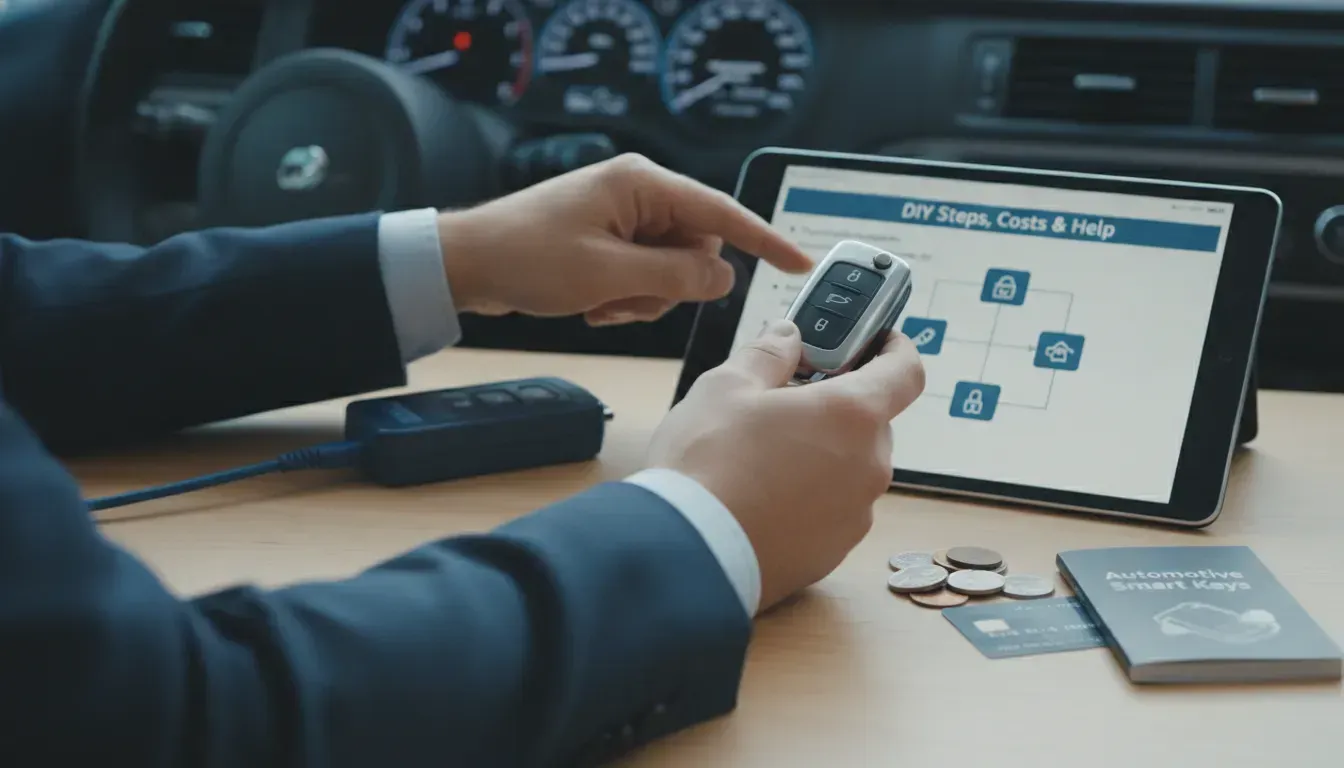
Auto key fob programming made simple—learn DIY steps, costs, and when to call a pro for help with your car’s remote or smart key.

A dead key fob battery is not always the reason your remote stopped working. Your vehicle may need auto key fob programming, the replacement fob may be incompatible, or a transponder and immobilizer issue may prevent the engine from starting. Knowing the difference can save you time when you are locked out, stranded at work, or preparing a spare key for a family member. This guide covers compatibility checks, owner programming steps, common problems, pricing factors, and professional service options. For drivers in Mesa and nearby East Valley communities, The LOCK Shop offers automotive key duplication, origination, programming, repairs, and mobile service.
Key Takeaways
- Confirm compatibility first: Match the replacement fob to your vehicle’s year, make, model, FCC ID, part number, frequency, and key system.
- Identify the actual service needed: A weak battery, cut key blade, remote programming, transponder issue, and lock repair require different solutions.
- Request professional assistance when needed: Push-to-start vehicles, lost-all-key situations, failed programming attempts, and security warnings may require specialized equipment and mobile locksmith service.
What Is Auto Key Fob Programming, and Why Does It Matter?
Auto key fob programming syncs a replacement or spare fob with your vehicle’s security system. Until that connection is established, a new fob may look exactly like the original but still fail to lock the doors, disable the alarm, or start the vehicle. Programming tells the car to recognize the fob as an authorized device.
The process varies by vehicle. Some older models allow owners to program a remote by following a specific ignition and button sequence. Other vehicles require diagnostic equipment, especially models with push-to-start ignitions, proximity keys, or advanced immobilizer systems. The correct method depends on the vehicle’s year, make, model, and security features.
Programming is only one part of replacing an automotive key. You may also need a new battery, a cut key blade, or transponder service. Understanding the difference can help you request the right service and avoid paying for work you do not need. If you need assistance, The LOCK Shop’s automotive services include auto key duplication, origination, programming, and lock repairs throughout Mesa and the East Valley.
Identify Fob Types and Vehicle Security
Automotive keys and fobs use different technologies. A traditional remote controls functions such as the door locks, trunk, or panic alarm. A transponder key contains a chip that communicates with the vehicle’s immobilizer before the engine can start. A smart key or proximity fob may let you open the door and start the vehicle without removing the fob from your pocket.
Some remotes are self-programmable, but newer vehicles, particularly those with push-to-start systems, often require specialized equipment. Reviewing key fob programming instructions can show whether your vehicle supports an owner procedure or needs professional service.
Also, consider what the fob is supposed to do. A remote may operate the locks without authorizing the engine to start. If the doors respond but the vehicle will not start, the problem may involve the transponder or immobilizer rather than standard remote programming.
Separate Programming, Battery Replacement, and Key Cutting
Battery replacement, key cutting, and programming solve different problems. Replacing the battery restores power to a weak or unresponsive remote. Key cutting creates a physical blade that fits the vehicle’s door lock or ignition. Programming connects the electronic fob or transponder with the car.
For example, a newly cut key may turn the door lock but fail to start the engine if its transponder has not been programmed. A programmed remote may operate the locks while its emergency key blade still needs to be cut. Automotive key services commonly treat battery replacement, key cutting, fob replacement, and programming as separate services.
Before ordering a replacement, identify what is missing or failing. A weak signal may only require a battery, while a lost key may require a complete replacement, cutting, and programming. Describing the symptoms clearly helps a locksmith prepare the correct equipment and parts.
Check Fob Compatibility
A replacement fob must match your vehicle’s security system, not just its appearance. Check the vehicle’s year, make, and model, along with the fob’s FCC ID, part number, frequency, button layout, and transponder type. Two remotes may look similar while using different frequencies or electronic systems.
Compare the markings on your original fob with the replacement whenever possible. You may also need the vehicle identification number, or VIN, to verify the correct key configuration. Vehicle-specific programming instructions organize compatibility information by year, make, model, and remote type.
Used fobs require additional caution. Some can be reset and programmed to another vehicle, while others remain permanently linked to the original car. Ask about compatibility before purchasing one, particularly if your vehicle uses a smart key, proximity system, or push-to-start ignition. A locksmith can often confirm the part before attempting programming.
Spot Signs of Programming, Repair, or Replacement Needs
A fob that works only when you stand close to the vehicle may simply need a new battery. A functioning fob often works from about 30 to 50 feet away, so a sudden reduction in range deserves attention. Other warning signs include delayed responses, intermittent lock operation, sticking buttons, a cracked case, or an alarm that activates unexpectedly. Common fob problems can help you identify whether repair or replacement may be necessary.
Battery corrosion, damaged contacts, and moisture can also affect performance. If replacing the battery restores normal operation, programming may not be needed. A replacement fob that never responds may require programming, or it may be incompatible with the vehicle.
If the remote locks the doors but the engine will not start, the issue may involve transponder programming or the immobilizer. For help with auto key duplication, origination, and programming, a qualified locksmith can test the fob and determine which service is appropriate.
Can You Program an Auto Key Fob Yourself?
Sometimes, you can program an auto key fob at home. Certain vehicles allow owners to sync a replacement remote by turning the ignition, pressing buttons, or following a specific door-lock sequence. The process varies by vehicle year, make, model, trim, and security system, so a method that works for one car may not work for another.
Start by checking your owner’s manual for sections labeled “Keyless Entry,” “Remote,” “Key Fob,” or “Additional Keys.” Confirm that your vehicle supports self-programming and find out whether you need a working key. You should also verify that the replacement fob matches your vehicle before you begin.
A remote fob and a vehicle key may have separate functions. Programming the lock and unlock buttons does not always program the transponder chip that allows the engine to start. Push-to-start vehicles and newer models may require specialized equipment instead of a simple at-home sequence.
If you cannot enter programming mode, the vehicle does not recognize the fob, or you have lost every working key, avoid repeating random procedures. The LOCK Shop provides auto key duplication, origination, and programming for drivers in Mesa and nearby East Valley communities.
Check the Owner’s Manual and Working Key
Read the owner’s manual before purchasing a fob or attempting to program one. Look for information under “Keyless Entry,” “Remote,” “Key Fob,” or “Additional Keys.” The manual should explain whether you can program the remote yourself, whether a working key is required, and whether the instructions apply to your specific vehicle.
You can also compare your manual with the vehicle-specific key fob programming instructions from Locksmith Keyless. Use outside instructions as a reference, but do not replace the manufacturer’s directions with a generic sequence.
Gather the replacement fob, every working key, and fresh batteries before beginning. Some vehicles require the doors, hood, or trunk to be in a specific position. Others will not enter programming mode unless an existing authorized key is present.
If the manual says the procedure requires diagnostic equipment, stop there. That usually means the vehicle’s immobilizer or security module must be accessed with a specialized tool.
Follow the Vehicle’s Programming Sequence
Programming sequences often depend on precise timing. One vehicle may require several ignition cycles, while another may use the interior door-lock switch or a combination of ignition turns and remote-button presses. Read the complete procedure before starting so you know what to do at each step.
Follow instructions written for your exact year, make, model, and remote type. Tom’s Key Company explains the steps involved in car key fob programming, including the importance of completing each action in the correct order and within the required time.
When the vehicle enters programming mode, it may lock or unlock the doors, chime, or display a dashboard message. Press the requested button on the replacement fob, then wait for the confirmation signal. Exit programming mode as instructed.
Test every available function afterward, including lock, unlock, trunk release, panic, and remote start. If the locks respond but the engine will not start, the vehicle may need separate transponder or immobilizer programming.
Program Honda Accord Models From 2003–2007
Many Honda Accord models from 2003 through 2007 allow owners to program a compatible keyless entry remote without diagnostic equipment. The procedure generally involves sitting inside the vehicle, inserting the key, switching the ignition to the required position, and pressing a remote button during a short programming window.
The exact steps can vary by model year, trim level, and the type of key you are programming. A remote fob, a transponder key, and a key-and-remote combination may follow different procedures. Use instructions that identify your exact Accord instead of assuming one method applies to every model.
Locksmith Keyless provides model-specific programming instructions that can help you compare the process with your owner’s manual. Confirm the replacement remote’s part number and button layout before beginning.
Have every remote ready because the vehicle may require all remotes to be programmed during the same session. Once finished, test each remote from several feet away. If the buttons work but the engine will not start, the transponder portion may need separate programming.
Follow Ford F-150 and Explorer Key-Cycle Steps
Some Ford F-150 and Explorer models support remote programming through an ignition key-cycle sequence. The process often requires turning the ignition from off to run several times within a specific period, then pressing a button on each remote after the vehicle signals that programming mode is active.
The number of ignition cycles and the required ignition position vary by year. Use instructions written for your exact truck or SUV, not a general Ford procedure. Keyless Entry Remote Fob provides programming information for Ford and other vehicle brands.
Keep the driver’s door closed if the instructions require it, and avoid long pauses between steps. A chime or door-lock movement may confirm that the vehicle has entered programming mode.
This process may sync the remote buttons without programming the transponder that allows the engine to start. If you have a key-and-remote combination, the metal key may need cutting and the transponder may need separate programming. If the locks work but the engine does not recognize the key, request an automotive locksmith diagnosis.
Check Chevrolet, Toyota, Nissan, Mazda, and Subaru Procedures
Chevrolet, Toyota, Nissan, Mazda, and Subaru vehicles use different programming systems across their model ranges. Some older models allow basic remote syncing at home. Others require an existing master key, a specific door-lock sequence, or diagnostic equipment.
Smart keys and proximity remotes are more likely to require a tool that communicates with the vehicle’s security module. Before buying a replacement, identify your vehicle’s year, make, model, trim, and remote type. Then compare the fob’s FCC ID, part number, frequency, and button layout with the original.
You can review programming instructions for Chevrolet, Toyota, Nissan, Mazda, and Subaru vehicles, but confirm the information against your owner’s manual. Instructions for one model year may not apply to another.
Do not assume a remote from the same manufacturer will work across several models. Two vehicles from the same brand may use different frequencies or security systems. If the vehicle accepts the remote buttons but rejects the key, the remote and immobilizer may require separate programming.
Understand Push-to-Start, Lexus, BMW, and Mercedes-Benz Limits
Push-to-start vehicles often use proximity keys that communicate with multiple security modules. Programming may involve more than syncing the lock and unlock buttons. The vehicle must also recognize the fob’s electronic identity before it will allow the engine to start.
Lexus, BMW, and Mercedes-Benz models can have strict security requirements, although the process varies by year and model. A replacement remote may require manufacturer-level software, security authorization, or specialized locksmith equipment. Locksmith Keyless explains when newer vehicles may need professional programming.
A fob that looks correct may still be incompatible with the vehicle. Used smart keys can also remain linked to another vehicle or fail to reset. Check compatibility before attempting to add one.
Stop if the vehicle displays a security warning, stops recognizing an existing key, or will not enter programming mode. An automotive locksmith can check the fob, confirm compatibility, and program the system with the appropriate equipment.
Program Every Existing Remote Together
Bring every working remote and replacement fob to the vehicle before entering programming mode. Some vehicles erase previously stored remotes when a new programming session begins. If you program only the new fob, an older remote may stop locking, unlocking, or opening the trunk.
Program each remote in the order and timeframe listed in the instructions. The vehicle may confirm each successful entry with a door-lock cycle, chime, or dashboard message. If one remote does not respond, check its battery, compatibility, and button sequence before continuing.
This step is especially important when family members, employees, or multiple drivers use the same vehicle. Keyless Entry Remote Fob recommends having all remotes available because some systems do not retain devices programmed during an earlier session.
After programming, test every remote separately from inside and outside the vehicle. Check the lock, unlock, trunk, panic, and remote-start buttons, if equipped. Confirm that each key also starts the vehicle when it includes a transponder.
Prepare for Used Fobs, Lost Keys, and Required Equipment
A used fob is not automatically ready for another vehicle. It may be locked to the original vehicle, incompatible with your security system, or damaged by impact, moisture, or worn buttons. Even when a remote is reusable, it usually must be programmed or synced before it will work.
If you have lost every key, a home programming sequence may not be available because many vehicles require an existing authorized key. You may also need a cut mechanical key, a transponder key, or diagnostic equipment to add a new device. A replacement fob with the correct appearance is not enough if its electronic identity does not match the vehicle.
Before buying, ask whether the fob is new, refurbished, or previously programmed. Confirm that it matches your exact vehicle and find out whether programming is included. You should also check whether the purchase includes a battery or key cutting.
For a lost key or replacement remote, The LOCK Shop offers automotive lock repairs, rekeying, and replacement, with mobile service for customers in Mesa and the East Valley.
Why Won’t Your Auto Key Fob Program?
A key fob may fail to program for several reasons, and the problem is not always the remote itself. An incorrect replacement, weak battery, missed step, or vehicle security fault can stop the process before the car recognizes the fob. Some vehicles support onboard programming, while others require a scan tool, security code, or manufacturer-specific software.
Begin with the simplest checks before buying another remote or repeating the same sequence. Confirm that the fob matches the vehicle, replace weak batteries, and follow the instructions for the exact make, model, and year. Generic programming steps found online may not apply to your vehicle, especially if it has push-to-start ignition or an integrated transponder key.
Pay attention to what happens during the attempt. Do the locks cycle? Does the dashboard display a message? Does the security light remain on? These details can help distinguish a programming mistake from a faulty receiver, immobilizer, wiring issue, or damaged fob.
If basic troubleshooting does not work, an automotive locksmith can test the fob signal, verify compatibility, and check whether the vehicle is accepting the remote. The LOCK Shop provides automotive locksmith services for drivers in Mesa and nearby East Valley communities, including key duplication, programming, and lock repairs.
Check the Fob and Vehicle Batteries and Contacts
Start with the fob battery. Replace it with the exact battery type listed in the owner’s manual, and install it with the positive and negative sides facing the correct direction. A weak battery may still illuminate the fob’s indicator light while producing a signal that is too weak for reliable programming or normal operation.
Inspect the battery contacts inside the remote. Bent, dirty, or loose contacts can prevent consistent power from reaching the circuit board. You can gently remove light surface dirt with a dry cotton swab, but avoid soaking the fob or scraping the contacts. Moisture and aggressive cleaning can cause additional damage.
The vehicle battery matters, too. Low voltage may interrupt an onboard programming sequence or prevent the ignition and security systems from responding correctly. If the vehicle has been sitting for an extended period, test the battery before trying again. If fresh batteries do not solve the issue, move on to compatibility checks.
Match the FCC ID, Part Number, Frequency, and VIN
A replacement fob can look identical to the original and still be incompatible. Compare the FCC ID, part number, frequency, button layout, and vehicle information printed on the old remote or listed in the vehicle documentation. Some remotes work only with specific trim levels, production years, or receiver systems.
The VIN can help a locksmith or parts supplier identify the correct remote and key type. It is particularly useful when the vehicle has changed owners, contains imported parts, or has aftermarket security equipment. Do not rely on appearance alone, and do not assume that a remote advertised for the same model works with every year.
If the fob has the wrong frequency or identification number, repeating the programming procedure will not correct the mismatch. When requesting auto key duplication, origination, and programming, provide the VIN and any information printed on the existing remote.
Repeat the Timing, Ignition Cycles, Door Status, and Button Presses
Many onboard procedures depend on precise timing. A sequence may require turning the ignition on and off several times, opening and closing the driver’s door, or pressing a remote button within a short window. Missing one step can cause the vehicle to leave programming mode without displaying an obvious warning.
Read the instructions for your exact vehicle and follow them in order. Keep the fob close to the vehicle, use the specified ignition position, and avoid pressing unrelated buttons during the sequence. If the process requires multiple remotes, have every one ready before you begin.
Repeat the procedure carefully instead of rushing. Some vehicles confirm successful entry with a chime, lock cycle, or dashboard message. If you do not receive the expected confirmation, stop and restart from the beginning. A different sequence may apply to another trim, model year, or key system.
Confirm Programming Mode
The vehicle must enter the correct programming mode before it can learn a new remote. Depending on the make and model, this may involve the ignition, driver’s door, interior controls, or a diagnostic connection. Simply turning the key or pressing the start button may not activate the mode required to add a fob.
Check the instructions for your exact vehicle instead of relying on a generic sequence. Some cars allow owner programming only when at least one working key is present. Others erase previously stored remotes when a new session begins, which means existing remotes may need to be programmed again during that same session.
If the locks do not cycle, the vehicle does not chime, or the dashboard provides no confirmation, the car may not have entered programming mode. A security fault, weak vehicle battery, incorrect ignition sequence, or missing equipment could be responsible.
Test the Locks, Trunk, Panic Button, Proximity, and Remote Start
After programming, test every function associated with the fob. Press the lock and unlock buttons from several distances, then check the trunk or liftgate release and panic button. If the remote includes remote start, test that feature after confirming that the basic lock functions work.
For push-to-start vehicles, place the fob in the location listed in the owner’s manual and try to start the car. Some vehicles require the remote to be held against a specific backup sensor when the battery is weak. A fob may lock the doors but still fail to authorize the engine, so testing only one button does not confirm complete programming.
Also check whether the vehicle recognizes the fob when you approach it or touch the door handle. If some features work while others do not, the issue could involve partial programming, a damaged button, or a separate proximity or remote-start setting.
Separate Fob Issues From Key, Immobilizer, Receiver, and Starter Faults
A key fob controls several functions, and those functions may rely on different systems. The buttons might operate the locks while the transponder chip, immobilizer, or proximity system fails to authorize the engine. In another situation, the fob may work properly while a damaged door lock actuator prevents the vehicle from responding.
Pay attention to the symptoms. If the locks respond but the car will not start, the problem may involve the transponder, immobilizer, brake switch, ignition system, or starter. If the vehicle starts but the remote buttons do nothing, focus on the fob, receiver, fuse, or body control module. If the key turns poorly or will not turn, worn key cuts or an ignition cylinder may be involved.
A battery jump or starter repair will not fix an unrecognized fob. The LOCK Shop also handles auto lock repairs, rekeying, and replacement, helping separate a mechanical lock problem from an electronic key issue.
Inspect the Circuitry, Fuses, Wiring, Damage, and Interference
Open the fob and look for signs of physical damage, moisture, cracked plastic, or a loose battery holder. A dropped remote may have a damaged circuit board even when the case and buttons look normal. Avoid bending the board or using household cleaners inside the fob.
The vehicle may also have a blown fuse, damaged wiring, or a receiver problem. Check the owner’s manual for fuses related to the body control module, door locks, security system, or keyless entry. Replace a fuse only with one of the same rating, and do not keep replacing it if it fails again. A repeated failure points to an electrical problem that requires testing.
Radio interference is less common, but it can affect a weak signal near strong transmitters, electronic equipment, or other remotes. Move the vehicle to another location and try again. If the fob works only at very close range, the battery, antenna, or internal circuitry may need attention.
Stop DIY Attempts and Request Diagnostics When Needed
Stop trying to program the fob if the vehicle repeatedly fails to enter programming mode, the security light stays on, or the engine will not recognize a known working key. Repeating an incorrect sequence usually will not solve the problem, and some vehicles can erase stored remotes during a programming session.
Professional diagnostics may be necessary for newer push-to-start systems, vehicles with immobilizers, and models that require PIN codes, manufacturer software, or a scan tool. A locksmith can verify the fob’s signal, check whether it matches the vehicle, test available keys, and identify faults that are not visible from the outside.
Have your identification, proof of ownership, VIN, existing keys, and replacement fob available when requesting service. For help in Mesa or the surrounding area, you can request automotive locksmith service from The LOCK Shop. A technician can determine whether programming, key cutting, repair, or replacement is the appropriate next step.
What Does Auto Key Fob Programming Cost, and When Should You Call a Professional?
Auto key fob programming costs depend on your vehicle, key type, and the equipment needed. A basic remote may be simple to program, while a smart key for a push-to-start vehicle can require specialized diagnostic tools and additional security steps. You may also need a replacement fob, mechanical key cutting, a new battery, or troubleshooting if the vehicle does not recognize the device.
DIY programming may cost little when your owner’s manual includes an onboard procedure. Professional service costs more, but it can save time and help prevent problems such as deleting working keys or purchasing an incompatible fob. Before choosing an option, compare the complete price, not just the programming fee. Include the fob, cutting, programming, travel, diagnostics, and any after-hours charges.
The LOCK Shop provides automotive locksmith services for car owners in Mesa, the East Valley, and nearby communities. A technician can review your vehicle’s requirements and explain which service is appropriate.
Compare DIY, Locksmith, and Dealership Costs
DIY programming may be the least expensive choice when your vehicle supports a simple key-cycle or button-press sequence. In that case, you may only pay for the replacement fob. Prices can range from about $20 to more than $200, depending on the vehicle and fob type. Smart keys often cost more because they combine a remote, transponder, and proximity sensor.
A locksmith may charge a service fee along with the cost of the fob and programming. Many basic programming jobs cost roughly $80 to $150, although newer vehicles and advanced smart keys may cost more. Dealership pricing is often higher because dealerships use manufacturer-specific equipment and usually sell OEM parts. Request a complete estimate before approving the work, including mobile service, key cutting, programming, and taxes.
Include Fobs, Key Cutting, Batteries, Tools, and Diagnostics
Programming is only one part of the final cost. If the replacement fob includes a metal emergency key, that key may need to be cut to match your vehicle. A weak coin-cell battery can also cause short range, inconsistent buttons, or a fob that appears not to work after programming.
DIY service may require a scan tool or software subscription, especially when the vehicle does not support onboard programming. If the vehicle still fails to recognize the fob, diagnostic time may be needed to inspect the receiver, immobilizer, wiring, or fuses. Ask whether the estimate includes testing and whether the provider accepts customer-supplied fobs. The LOCK Shop offers auto key duplication, origination, and programming for a range of vehicle needs.
Compare OEM, Aftermarket, and Used Fobs
OEM fobs come from the vehicle manufacturer and generally provide the most predictable compatibility. They are often a practical choice for newer vehicles, proximity keys, and models with remote-start features. Their main drawback is a higher purchase price.
Aftermarket fobs may cost less, but quality and compatibility can vary. Check the exact FCC ID, part number, frequency, button layout, and supported vehicle years before buying. A used fob may look identical to a new one but could remain paired with another vehicle or have worn buttons and internal components. Some used fobs can be reset and reused, while others cannot. Ask a locksmith to verify the fob before paying for programming.
Consider Turnaround Times, Walk-Ins, and Mobile Service
A straightforward remote replacement may take only a few minutes once the correct fob is available. Smart keys, lost-key situations, and vehicles with advanced immobilizer systems may take longer. When comparing providers, ask how long the appointment should take and whether the correct fob is in stock.
Walk-in service works well when you can safely drive the vehicle to a shop. Mobile service is more convenient when the car is locked, disabled, parked at home, or left at your workplace. A mobile locksmith can bring key-cutting and programming equipment to you, which may prevent the need for a tow. Before scheduling, confirm the service area, estimated arrival time, vehicle location, and any after-hours charges.
Know When to Call an Automotive Locksmith
Professional help is a good choice when you have lost every key, your vehicle uses push-button start, or the replacement fob will not enter programming mode. Newer vehicles may require security credentials, manufacturer-specific software, or equipment that is impractical for occasional DIY use. A locksmith can also determine whether the issue is with the fob or the vehicle.
Call an automotive locksmith if the car is stranded, the key is broken in the ignition, or the immobilizer warning light stays on. The LOCK Shop handles auto lock repairs, rekeying, and replacement for drivers in Mesa and surrounding areas. Stop repeated programming attempts if the vehicle continues to reject the key, since some systems can limit further attempts or erase previously paired remotes.
Choose Experience, Clear Pricing, Credentials, Reviews, and Guarantees
A reputable automotive locksmith should explain what the service includes before work begins. Ask whether the quote covers the fob, key cutting, programming, travel, diagnostics, and tax. Confirm that the technician supports your vehicle’s year, make, model, and key system.
Look for a licensed, bonded, and insured company with clear contact information and verifiable customer feedback. Reviews can show whether the provider arrives as promised, communicates pricing clearly, and stands behind completed work. Ask about warranties or guarantees for both the fob and the programming. You can read The LOCK Shop’s customer reviews before scheduling service.
Ask About Security Settings and Relay Theft
Programming a replacement fob is not only about making the buttons work. Ask whether the technician can remove missing keys from the vehicle’s memory. If a lost fob remains active, someone who finds it may still be able to unlock or start the vehicle, depending on the model.
For vehicles with passive keyless entry, ask about relay theft and available security settings. Some owners disable passive entry, use a sleep mode, or store the fob in a signal-blocking pouch. Options differ by vehicle, so do not change settings without understanding how they affect convenience and security. A professional can explain which protections your vehicle supports and whether all existing keys need to be present.
Bring Identification, Proof of Ownership, the VIN, and Existing Keys
A locksmith or dealership may request identification and proof that you own or are authorized to use the vehicle. Bring your driver’s license, registration, insurance card, or title if available. Requirements vary, so ask which documents the provider accepts before the appointment.
The VIN helps the technician confirm the vehicle and identify the correct key system. Bring the replacement fob, every working key, and any existing remotes. Some vehicles erase previously programmed keys when a new one is added, so all keys may need to be programmed during the same visit. You can usually find the VIN on the dashboard, driver’s door label, registration, or insurance documents.
Use The LOCK Shop’s Mobile Auto Key Fob Programming in Mesa and the East Valley
If your vehicle is parked at home, at work, or on the roadside, The LOCK Shop’s mobile service can bring key-cutting and programming equipment to your location. This is especially helpful when you have no working key, cannot safely drive the vehicle, or want to avoid arranging a tow.
When you request service, provide the vehicle’s year, make, model, location, key type, and a description of the issue. Mention whether you have a working key and whether the vehicle uses a standard ignition, transponder key, or push-button start. The LOCK Shop serves Mesa and East Valley communities with fair, competitive pricing and a fully equipped mobile fleet. You can contact the team to discuss availability and your vehicle’s requirements.
Frequently Asked Questions
How do I know whether my key fob needs programming or just a new battery?If the buttons work inconsistently, the signal range has become shorter, or the fob stops responding, replace the battery first. If the locks work but the vehicle will not start, the issue may involve transponder programming or the immobilizer. A locksmith can test the fob and identify the correct service.
Can I program a replacement key fob without professional help?Some vehicles support owner programming through an ignition or button sequence. Check your owner’s manual for instructions specific to your vehicle. Push-to-start systems, proximity keys, and vehicles with no working keys often require specialized equipment and professional service.
Why does my new fob look right but fail to work?Appearance does not confirm compatibility. The replacement must match details such as the FCC ID, part number, frequency, button layout, and transponder type. A used fob may also remain connected to another vehicle. Share the VIN and original fob information with a locksmith before purchasing a replacement.
Will programming a new fob erase my existing keys?Some vehicles erase stored remotes when they enter programming mode. Have every working key and remote available so they can be added during the same session. This helps prevent an older fob from becoming inactive after the new one is programmed.
When should I call a mobile automotive locksmith?Contact a professional if you have lost all your keys, drive a push-to-start vehicle, cannot enter programming mode, or the security warning remains on. Mobile service is also useful when the vehicle is stranded or cannot be driven safely. The LOCK Shop can bring key-cutting, programming, and automotive lock service to customers in Mesa and nearby East Valley communities.