March 2, 2026
Within the realms of security and accessibility, locksmiths play a vital role. These skilled professionals offer much more than just unlocking doors when keys are lost; they embody a complex world of craft, technology, and service. Through this guide, we aim to delve into the multifaceted world of locksmithing, offering insights that go beyond common perceptions.
The Diverse Roles of a Locksmith
Residential locksmiths specialize in a variety of services designed to secure homes. They are adept at installing locks, rekeying, and performing lock repairs to enhance residential safety. Homeowners often call upon these experts to conduct security assessments, ensuring all entry points are well-protected. Beyond emergency lockout services, they provide advice on upgrading to advanced security measures. Their knowledge of the best products to use in home security makes them invaluable when protecting what matters most.
Commercial locksmiths focus on larger-scale security needs for businesses and institutions. They often work with advanced access control systems, installing and maintaining electronic locks that are critical for modern security management. Services often include panic bar installation, master key systems, and robust locking systems for sensitive areas like safes. Due to the complexity and scale, commercial locksmiths require extensive technical knowledge and must remain abreast of the latest industry innovations. Their expertise ensures that businesses secure their assets while maintaining convenience for employees.
Specializing in automotive security, locksmiths in this field tackle car lockouts, broken key extractions, and vehicle ignition repairs. The expansion of smart keys and complex vehicle locking systems requires these professionals to possess specialized skills. Automotive locksmiths provide comprehensive services including programming transponder keys and fixing or replacing the entire car ignition system. They play a crucial role in helping vehicle owners regain access when issues arise, minimizing downtime and inconvenience. Their ability to adapt quickly to various vehicle models and locking mechanisms showcases their technical prowess.
Training and Skills Required for a Locksmith
Formal education in locksmithing, while not always mandatory, provides a strong foundation for aspiring locksmiths. Many start with certifications that offer comprehensive training in locksmith techniques, security technology, and service management. Certification programs often conclude with exams that frame their understanding of legal and commercial aspects, ensuring preparedness for the field. Additionally, many regions require locksmiths to be licensed, mandating continuing education to remain updated on industry standards. While formal qualifications aid professional credibility, practical experience often solidifies their reputations.
Apprenticeships provide practical learning environments for new locksmiths to hone their skills under seasoned professionals. During this training, apprentices gain hands-on experience in various locksmithing tasks, from basic lock repairs to complex security system installations. On-the-job training helps them learn to troubleshoot and adapt to unique challenges in real-world scenarios. This mentorship fosters critical problem-solving abilities and an understanding of customer service dynamics. Apprentices emerge as well-rounded professionals, equipped to tackle diverse locksmithing demands proficiently.
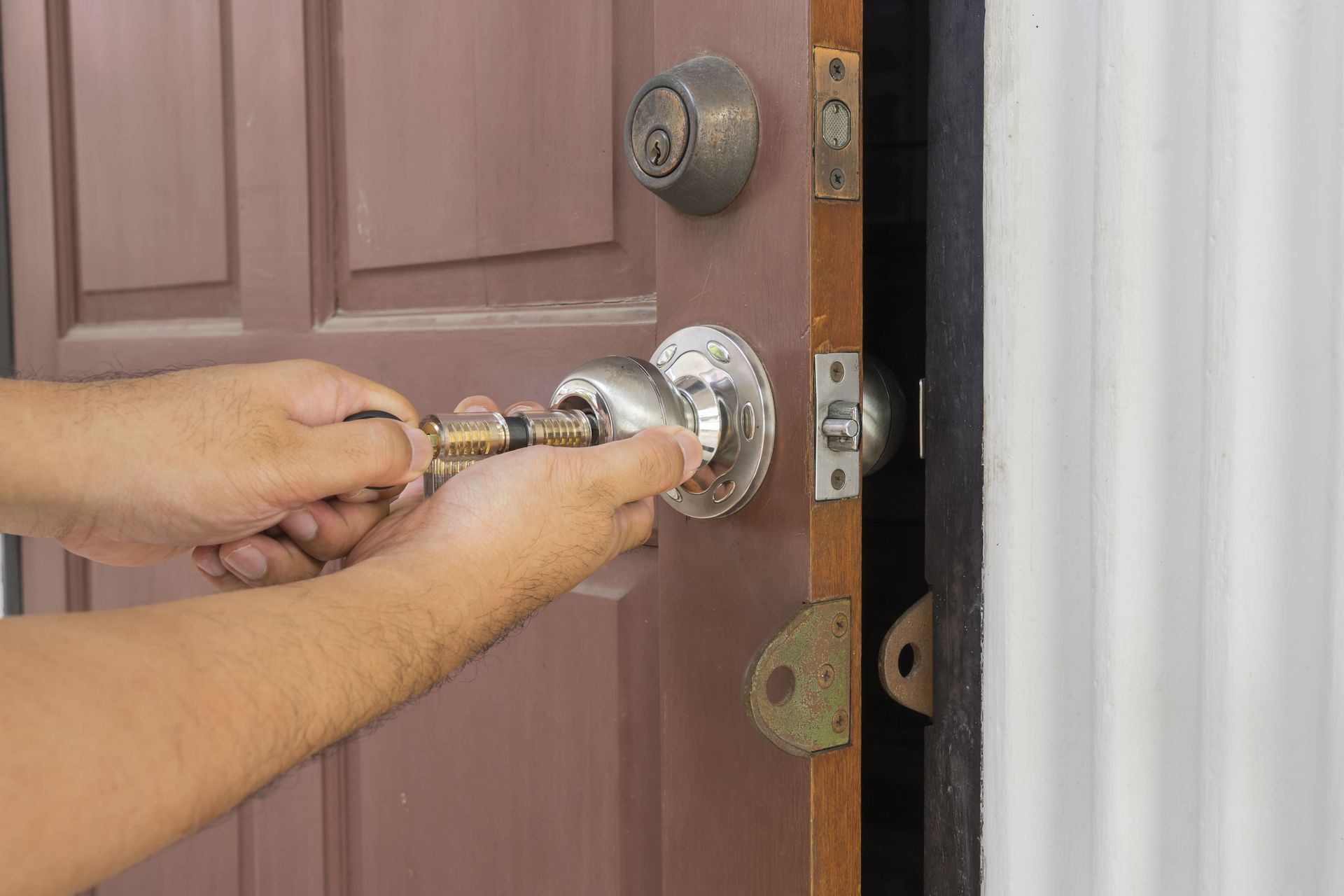
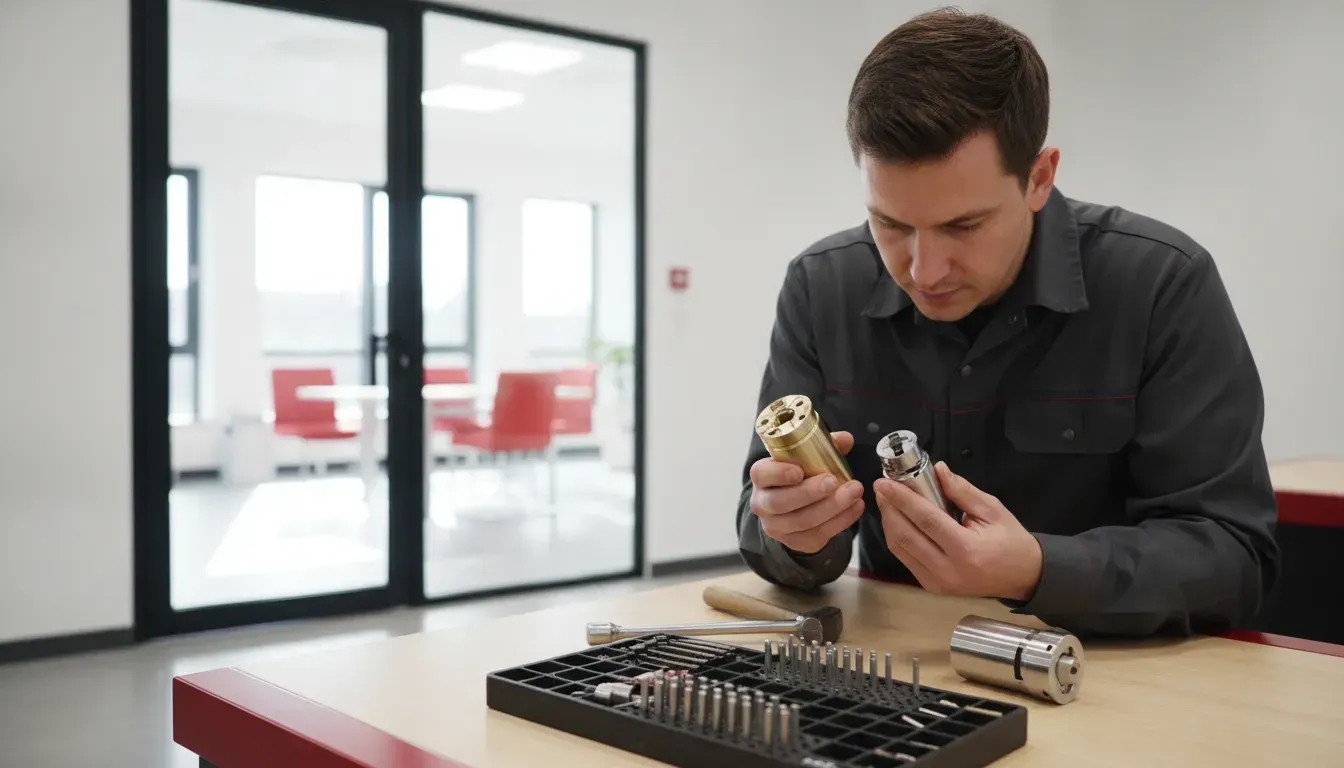
Locksmiths rely on a variety of specialized tools to perform their duties effectively. Common tools include lock picks, tension wrenches, and key cutting machines, each indispensable for their respective tasks. Techniques such as lock picking, impressioning, and decoding are fundamental skills that locksmiths must master. Furthermore, tools have evolved alongside technology, with modern locksmiths often employing digital diagnostic tools for electronic lock and security system interventions. Mastery of these tools and techniques is crucial for efficient and accurate service delivery.
Modern Technologies in Locksmithing
Smart locks offer convenience and heightened security, representing a significant advancement in locksmithing technology. These systems typically utilize wireless connections and can be controlled remotely via smartphones or other devices. The integration of smart locks into home and business security systems allows for real-time access management and monitoring. Their popularity has surged as they offer customizable access settings and eliminate the need for traditional keys.
Biometric systems use unique personal identifiers, such as fingerprints or facial recognition, to grant access, adding a sophisticated layer of security. Keyless entry systems, often combining PIN codes or wireless cards, simplify access control. These advanced technologies require locksmiths to possess specialized knowledge in electronic security systems and their installation. As businesses and homeowners seek robust security solutions, locksmiths' expertise in these areas becomes increasingly critical. This technological shift positions locksmiths as custodians of state-of-the-art security solutions.
Modern safes and vaults incorporate electronic and biometric locking systems, offering unparalleled protection for valuables. These high-tech units require locksmiths to possess a sophisticated understanding of both electronic components and traditional mechanical mechanisms. Services offered include safe installation, maintenance, and emergency access for lockouts or system failures. The precise nature of safe and vault technology calls for locksmiths to engage in continuous education to maintain proficiency. Their role in configuring and troubleshooting these security devices is integral to safeguarding critical assets.
Legal Aspects of Locksmithing
Locksmiths must adhere to various licensing requirements and regulations to practice legally. These regulations ensure locksmiths are skilled, vetted, and compliant with state or regional standards. Licensing also helps maintain industry integrity by preventing unqualified individuals from operating. Compliance involves regular updates on legal changes and participation in continuing education. For consumers, hiring licensed locksmiths provides reassurance of professionalism and trustworthiness.
Locksmiths handle sensitive security data, requiring them to adhere to strict ethical standards. Trustworthiness and confidentiality are paramount, as clients depend on locksmiths not only to secure their properties but to maintain discretion. Ethical responsibilities extend to honestly advising clients and avoiding overcharging for services. In maintaining customer privacy, locksmiths must be vigilant in safeguarding client information and security details. Their role as protectors obligates them to uphold the highest standards of integrity.
Due to the sensitive nature of their work, conducting background checks on locksmiths is a common practice. These checks provide assurance to clients that the locksmith is reliable and has no criminal history that could compromise security. Ethical locksmiths welcome such scrutiny as part of their professional obligation to client safety. Companies often include these checks as part of regulatory compliance and quality assurance practices. Establishing trust through transparency is essential in the locksmithing profession.
Common Misconceptions About Locksmiths
A common misconception is that locksmiths possess universal keys capable of opening any lock. This myth undermines the complexity and specialization involved in locksmithing. In reality, locksmiths use sets of lock picks and tools specifically designed to bypass locks without universal access. Their expertise lies in understanding lock mechanisms and customizing solutions for individual scenarios.
Many people erroneously believe that lock picking is illegal; however, it is a legitimate practice within the locksmithing profession. Professional locksmiths are trained to use lock picking responsibly, serving lawful purposes such as helping clients regain access to locked premises. Regulatory bodies closely monitor locksmiths to prevent misuse of their skills and ensure compliance with legal standards. Understanding the legal context highlights the professional ethics and accountability inherent in locksmithing practice.
Emergency locksmith services are often misunderstood, even though they are designed to respond quickly during stressful, time-sensitive situations. These calls frequently involve lockouts, lost keys, or urgent security concerns that require immediate, skilled intervention. According to Statista, 41 percent of all emergency locksmith requests occur during the nighttime. This reality underscores the need for 24/7 availability, specialized equipment, and technicians prepared to work outside standard business hours.
When selecting a locksmith, credibility and reputation are paramount considerations. Investigating a locksmith's background, certifications, and customer reviews can provide insight into their reliability. Professionals affiliated with trusted locksmith associations typically adhere to high standards of practice. A locksmith's reputation can reflect their commitment to customer satisfaction and ethical service delivery. Conducting due diligence ensures peace of mind and confidence in the chosen professional's abilities.
Locksmiths may specialize in different areas, such as automotive, residential, or high-security systems. Understanding their service offerings helps identify the locksmith best suited to meet specific needs, whether routine maintenance or advanced security installations. Discussing these specializations with potential locksmiths clarifies their expertise in addressing particular security challenges. Professionals often provide consultations, offering tailored advice and recommendations for optimal solutions. A comprehensive understanding facilitates informed decisions that enhance the security of homes or businesses. The LOCK Shop is here for all your locksmithing needs; reach out to us today for expert, reliable service.